Why Montessori Avoids Screens in Classrooms: The Power of Hands-On Learning

Why Montessori Avoids Screens in Classrooms: The Power of Hands-On Learning
In Montessori classrooms, we intentionally avoid computer, phone, TV, and tablet screens to foster focus, concentration, and hands-on learning. While technology plays a role in modern life, young children benefit more from engaging directly with their environment.
Why Avoid Screens?
Research shows that excessive screen time can hinder their ability to focus for extended periods. Screens provide quick, overstimulating content, making it harder for children to concentrate on more complex tasks. In Montessori, focus is a critical skill children must develop early, as it lays the foundation for lifelong learning.
Hands-On Learning Builds Focus
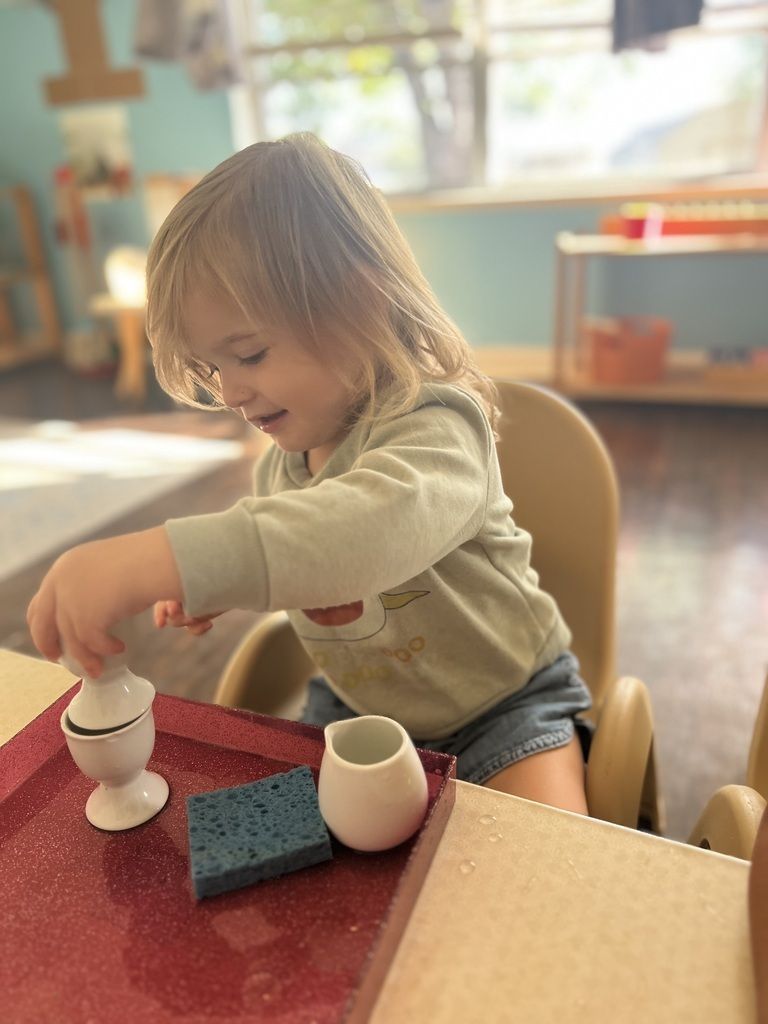
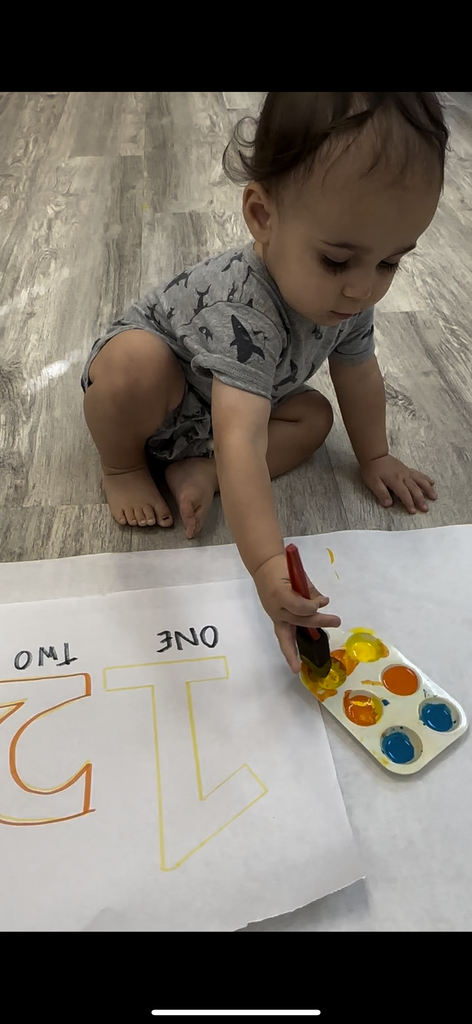
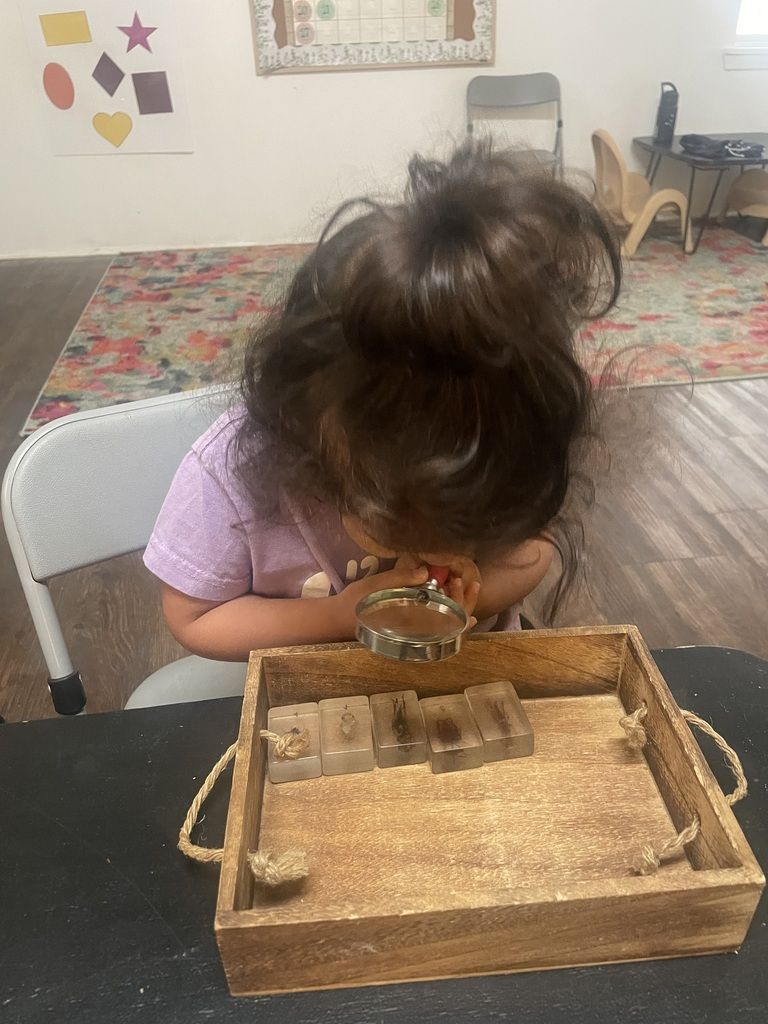
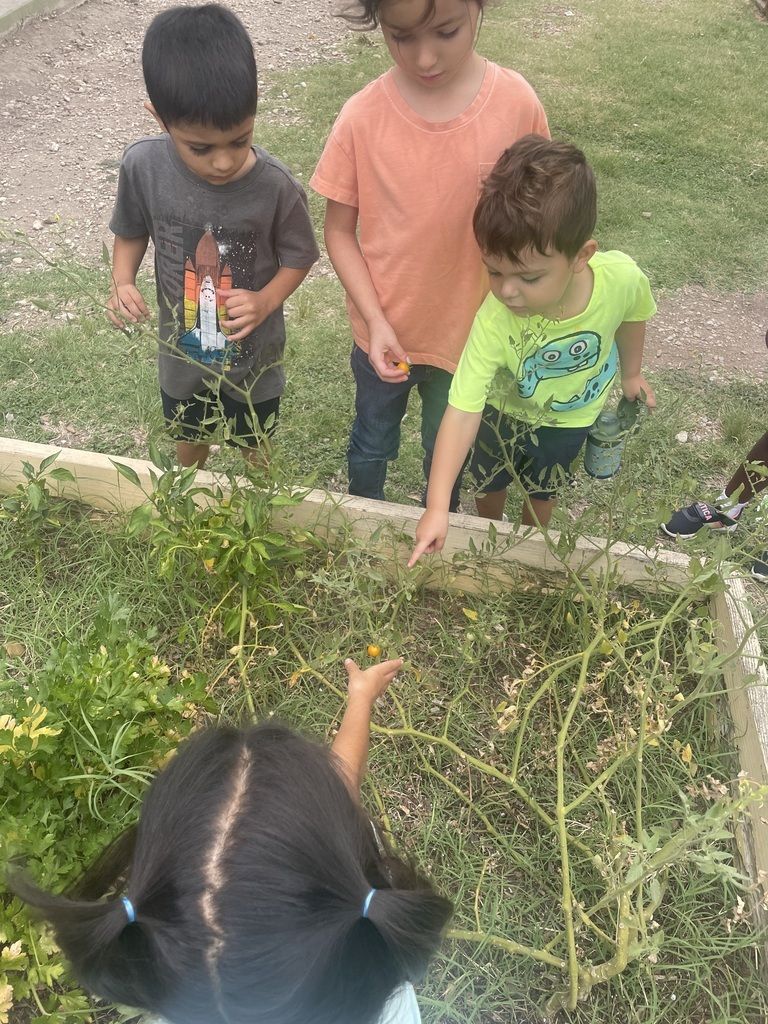
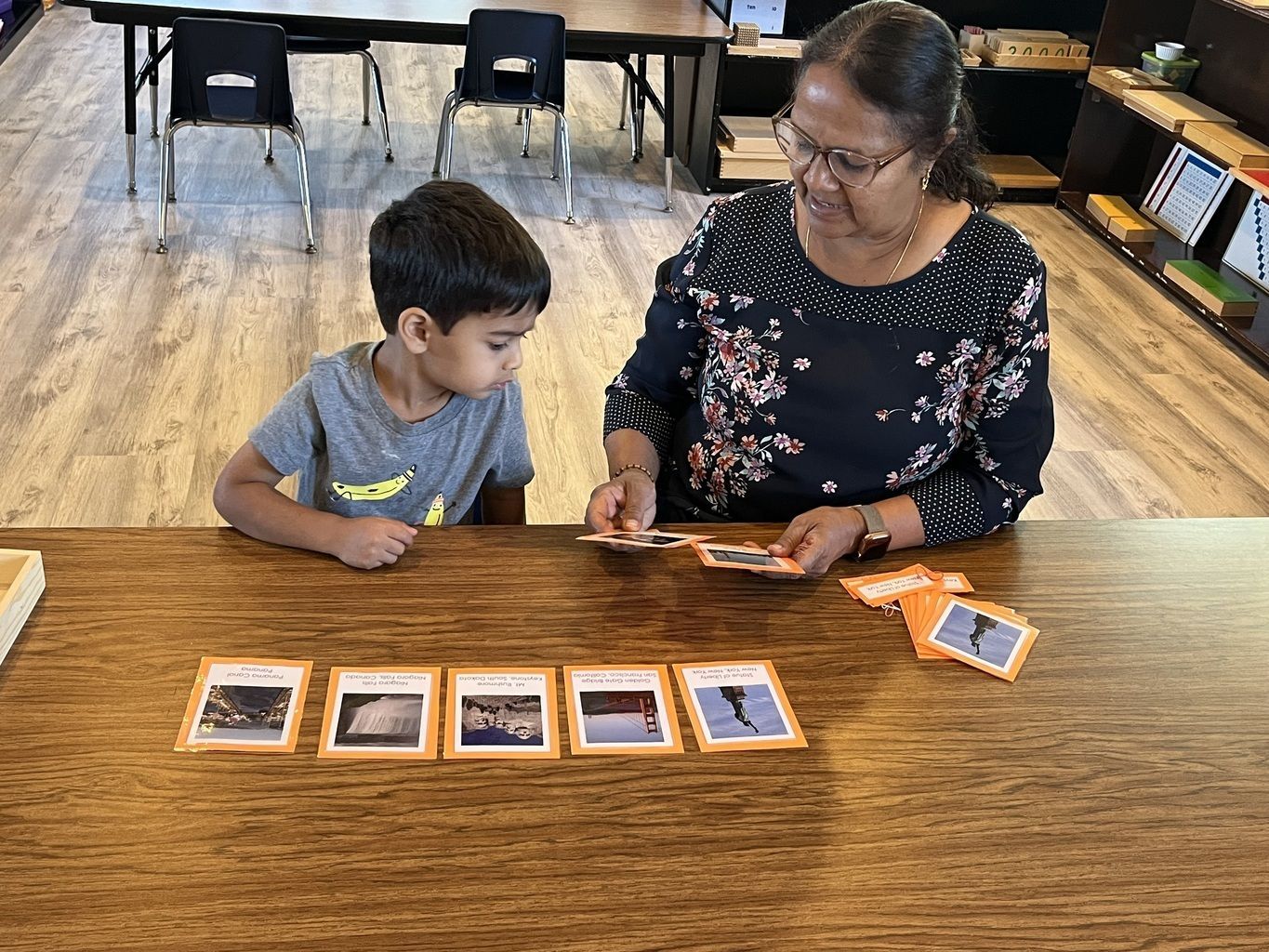
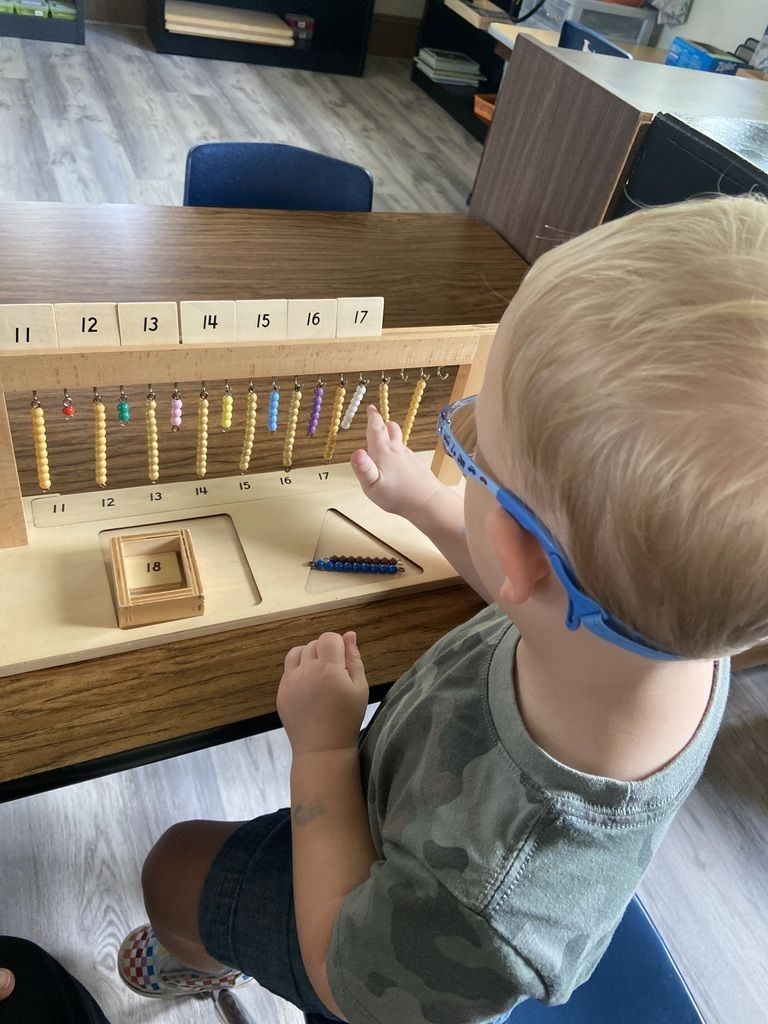
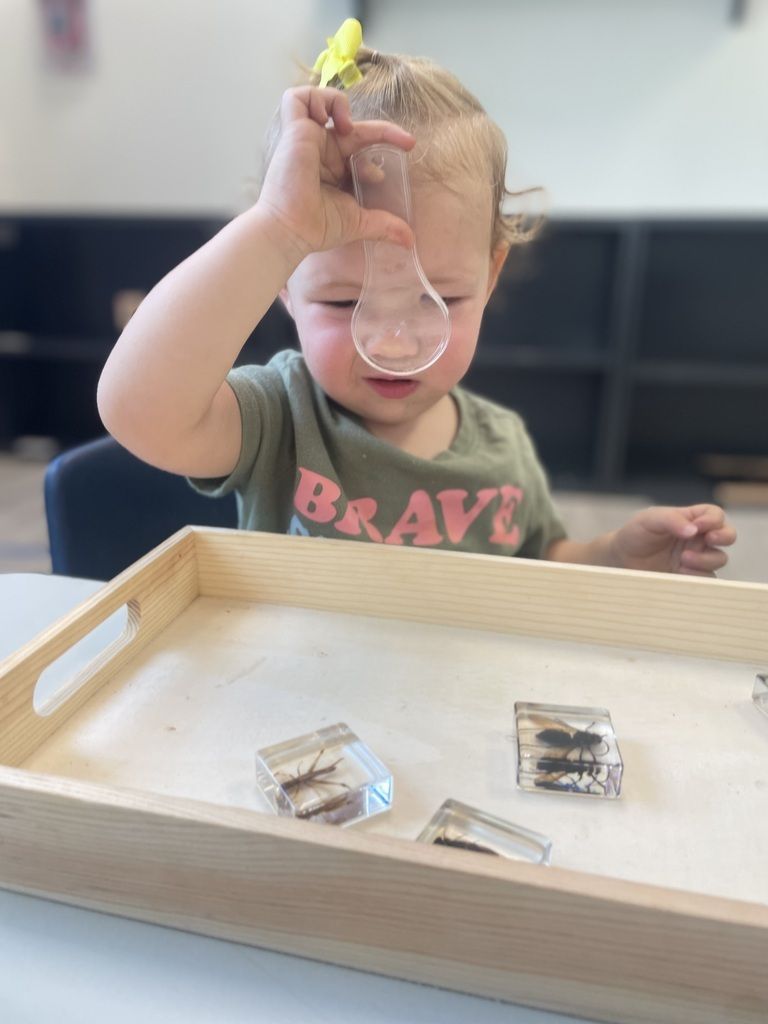
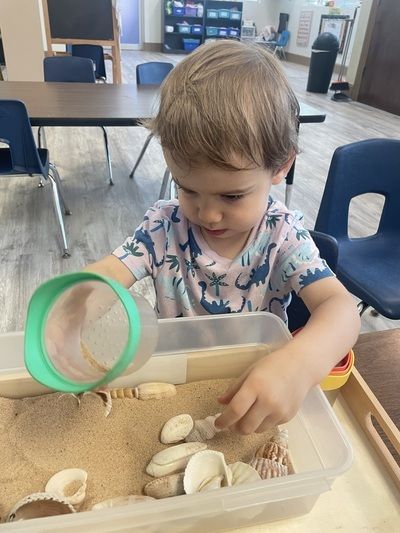
Montessori emphasizes hands-on activities that actively engage children. These activities help children develop focus, coordination, and problem-solving skills. For example, working with the Pink Tower or Sandpaper Letters helps children build neural connections through repetition and tactile experiences. These hands-on activities are not only fun but also encourage deeper engagement and retention.
Why Fun Matters
Montessori materials are designed to appeal to a child’s curiosity. When children enjoy learning, they are more engaged and focused. This “flow” state allows them to concentrate, learn effectively, and retain information longer. Fun, hands-on activities provide intrinsic motivation, unlike screens that often offer surface-level stimulation.
The Long-Term Benefits
While Montessori avoids screens in the classroom, it prepares children to engage with technology later in life in a more responsible way. By developing strong focus and problem-solving skills early, Montessori children are better equipped to use screens as tools for learning rather than distractions.
Conclusion
At Montessori Oaks, we focus on hands-on learning because it fosters concentration, curiosity, and a love for learning. By avoiding screens, we allow your child to develop the essential skills needed for academic and life success.