How Montessori Teaches Children to Think

How Montessori Teaches Children to Think
Montessori education is distinct for its child-centered approach that prioritizes developing thinking skills over rote memorization. Montessori classrooms foster curiosity, critical thinking, and problem-solving through hands-on learning, encouraging children to explore and understand the world around them.
Cultivating Curiosity Through Hands-On Activities
Montessori education harnesses children's natural curiosity through practical, hands-on activities.
Examples of Hands-On Activities:
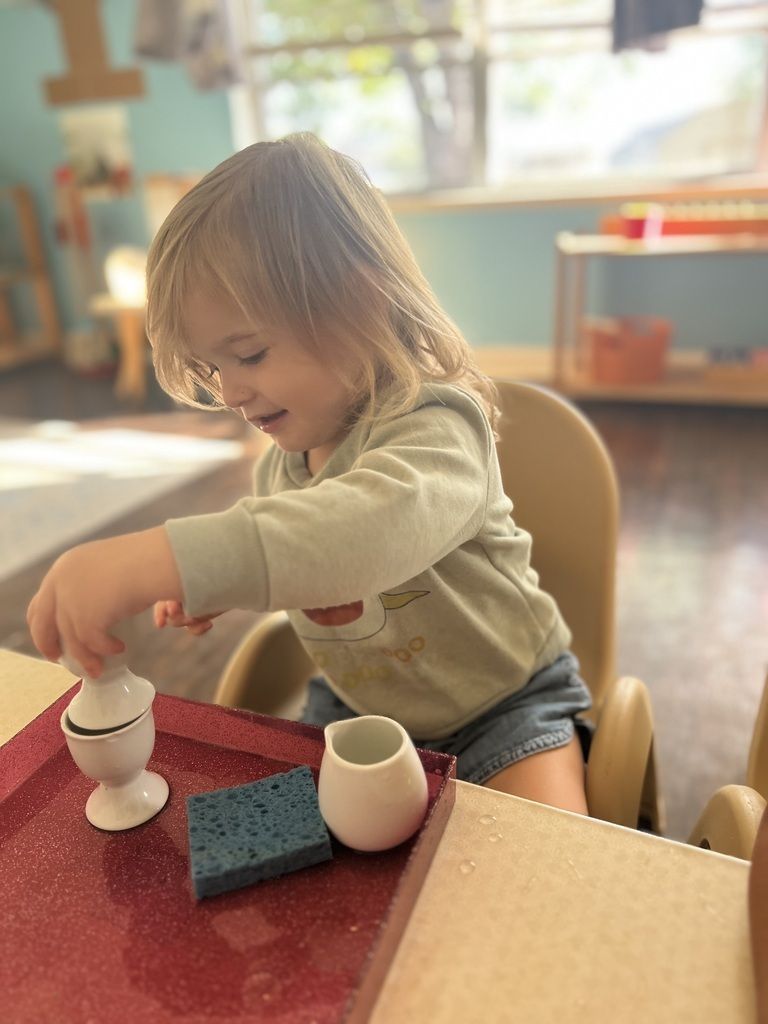
- Practical Life Activities: Tasks like pouring water, buttoning clothes, or sweeping teach children to think methodically, helping them build concentration, coordination, and independence.
- Sensorial Activities: Tools like the Pink Tower or Knobbed Cylinders allow children to explore size, shape, and color. This tangible learning helps them categorize and compare objects, paving the way for abstract thinking.
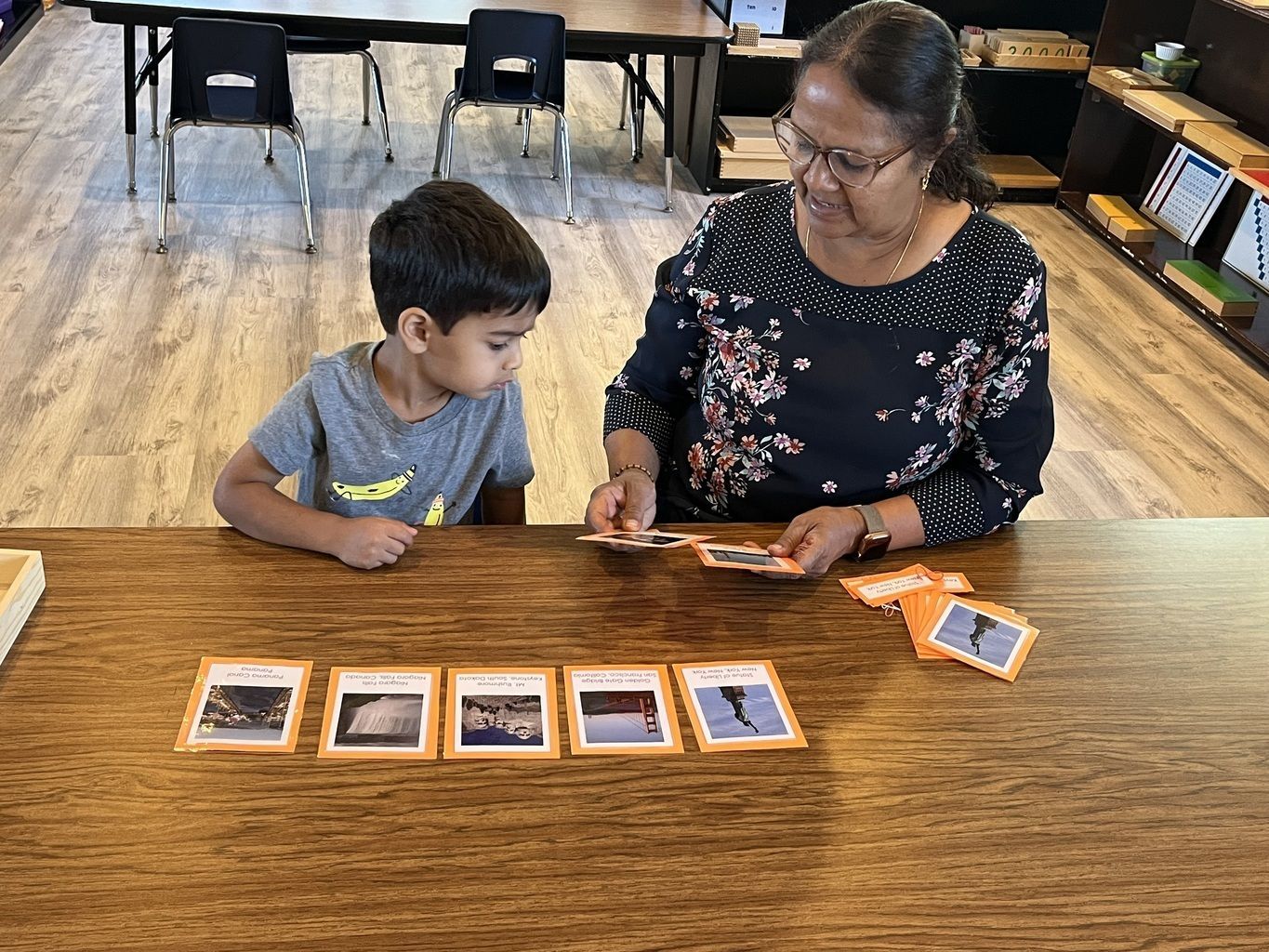
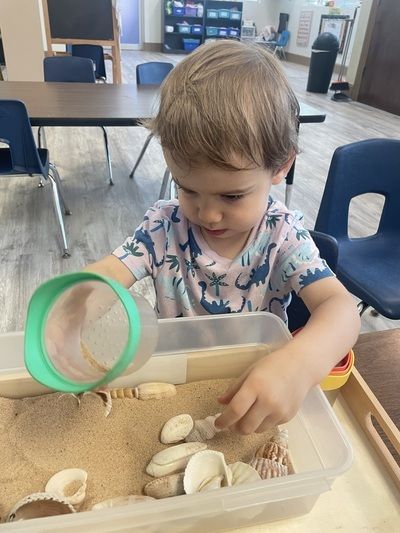
- Cultural and Science Activities: Children study the parts of a flower, learn about the solar system, or explore animal life cycles using materials like puzzle maps and lifecycle cards. These activities spark scientific curiosity and encourage deeper inquiry.
Fostering Critical Thinking Skills
Montessori education emphasizes deep thinking and problem-solving rather than surface-level learning.
How Montessori Develops Critical Thinking:
- Self-Correcting Materials: Montessori materials like the binomial cube encourage children to see and fix their mistakes, fostering resilience and critical thinking through trial and error.
- Open-Ended Questions: Montessori guides ask questions that prompt deeper thinking, such as, “Why do you think this country is shaped this way?” These questions encourage children to explore various possibilities.
- Collaborative Learning: Group activities like building structures with blocks require children to communicate, share ideas, and work together, strengthening their problem-solving abilities.
Encouraging Mathematical and Scientific Thinking
In Montessori, math and science are brought to life through concrete materials and exploratory activities.
Examples of Montessori Math and Science Activities:
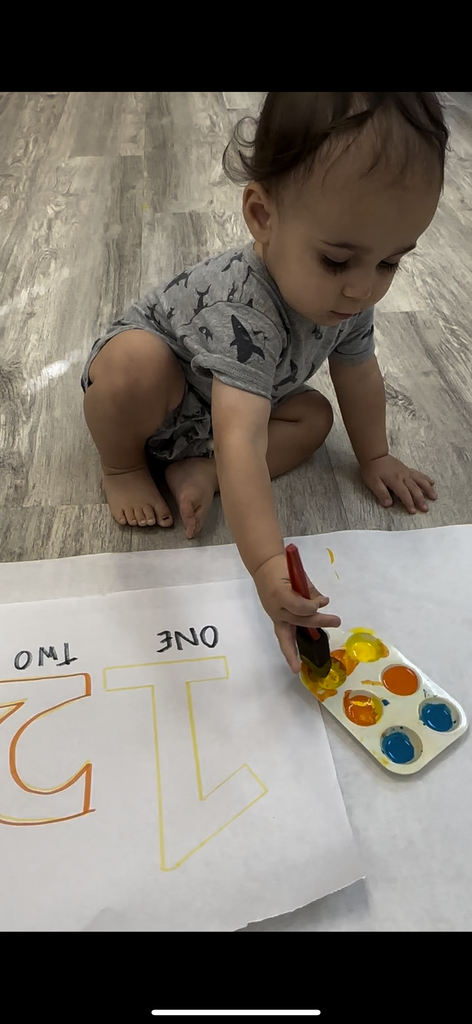
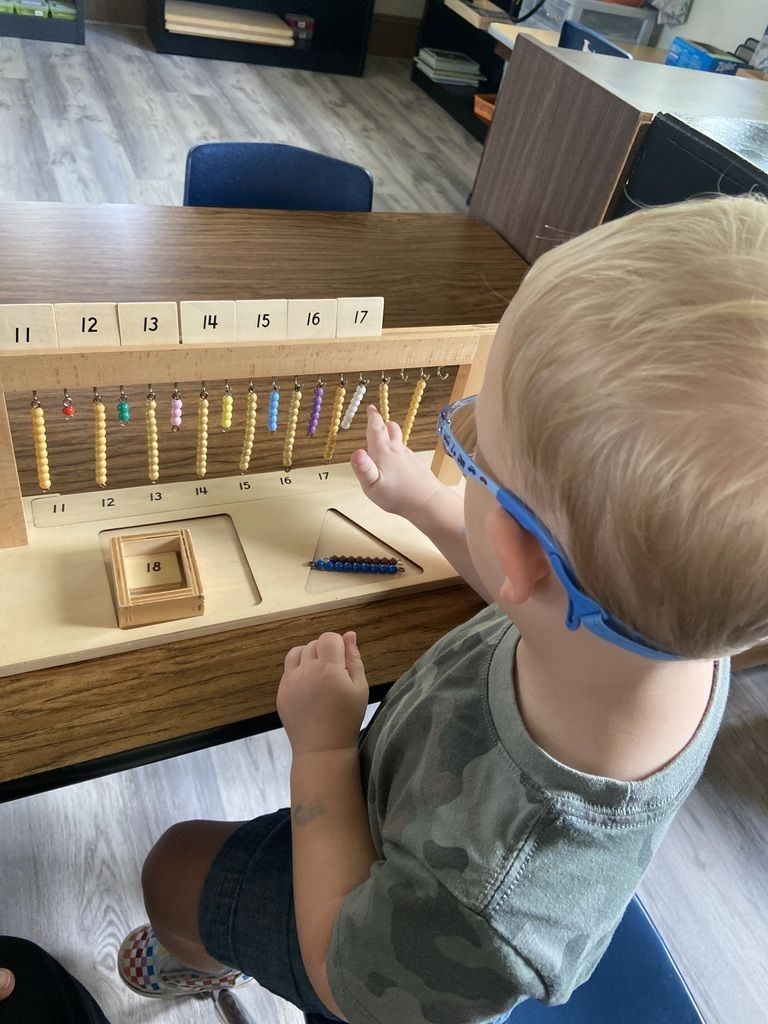
- Golden Beads for Math: The Montessori Golden Beads provide a tactile way to introduce children to the decimal system. This hands-on approach helps them internalize mathematical principles.
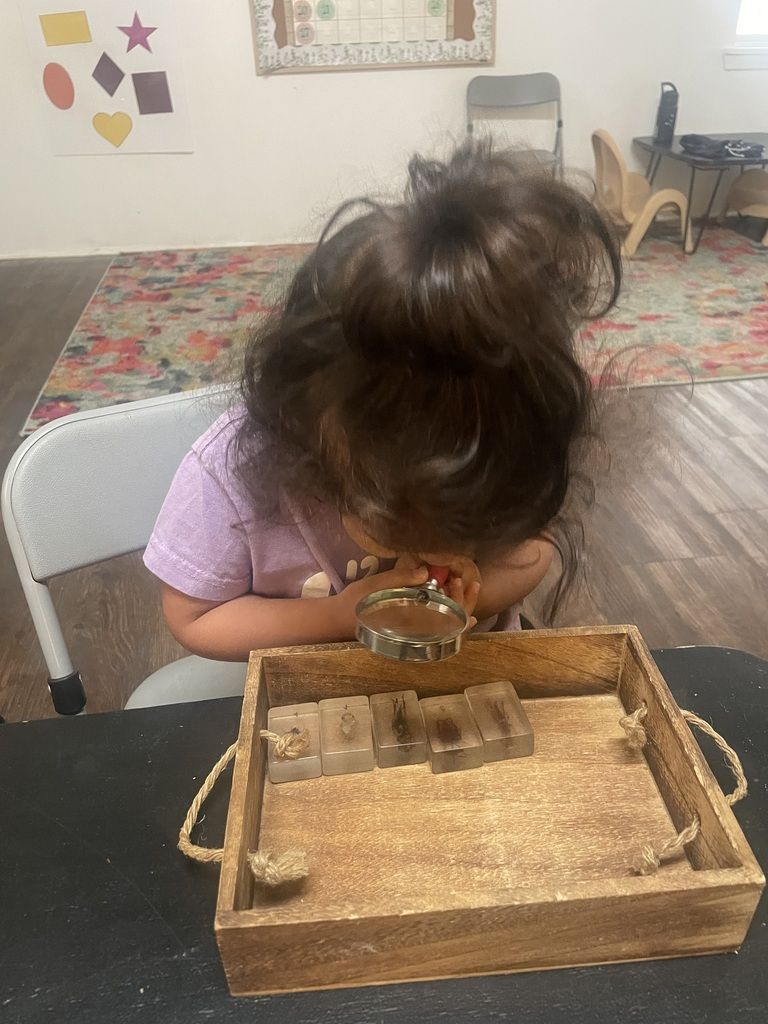
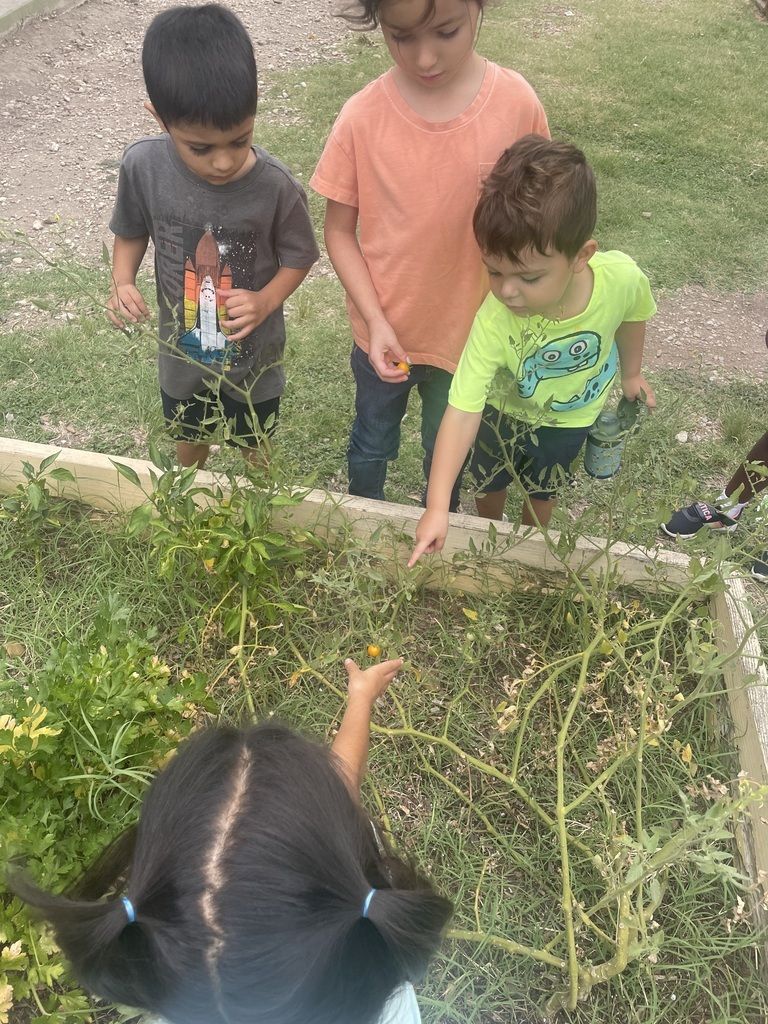
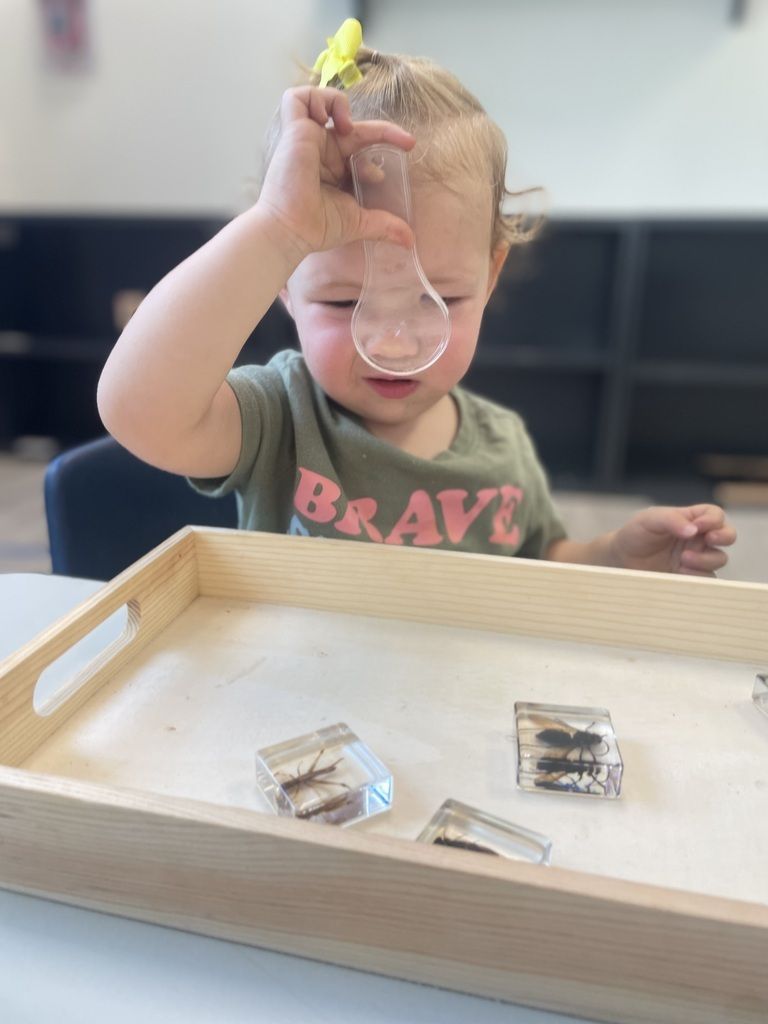
- Science Experiments: Children conduct simple experiments, such as growing plants or observing insects, which nurture a scientific mindset through hypothesis, observation, and conclusion.
- Geometry with Constructive Triangles: Children use Constructive Triangles to build various geometric shapes, gaining an intuitive understanding of geometry that will support more complex mathematical learning.
Montessori Philosophy: Teaching Children How to Think
Montessori education emphasizes teaching children how to think rather than what to think. By providing a rich environment full of materials and exploration opportunities, Montessori encourages independent thinking, where children learn to approach challenges with curiosity and confidence.
In summary, Montessori education goes beyond academics by fostering curiosity, critical thinking, and independent problem-solving. Through hands-on activities and a supportive learning environment, Montessori children develop the skills they need to think critically and succeed.