Cultivating Creativity: Process-Art & Fine-Motor Activities for Home
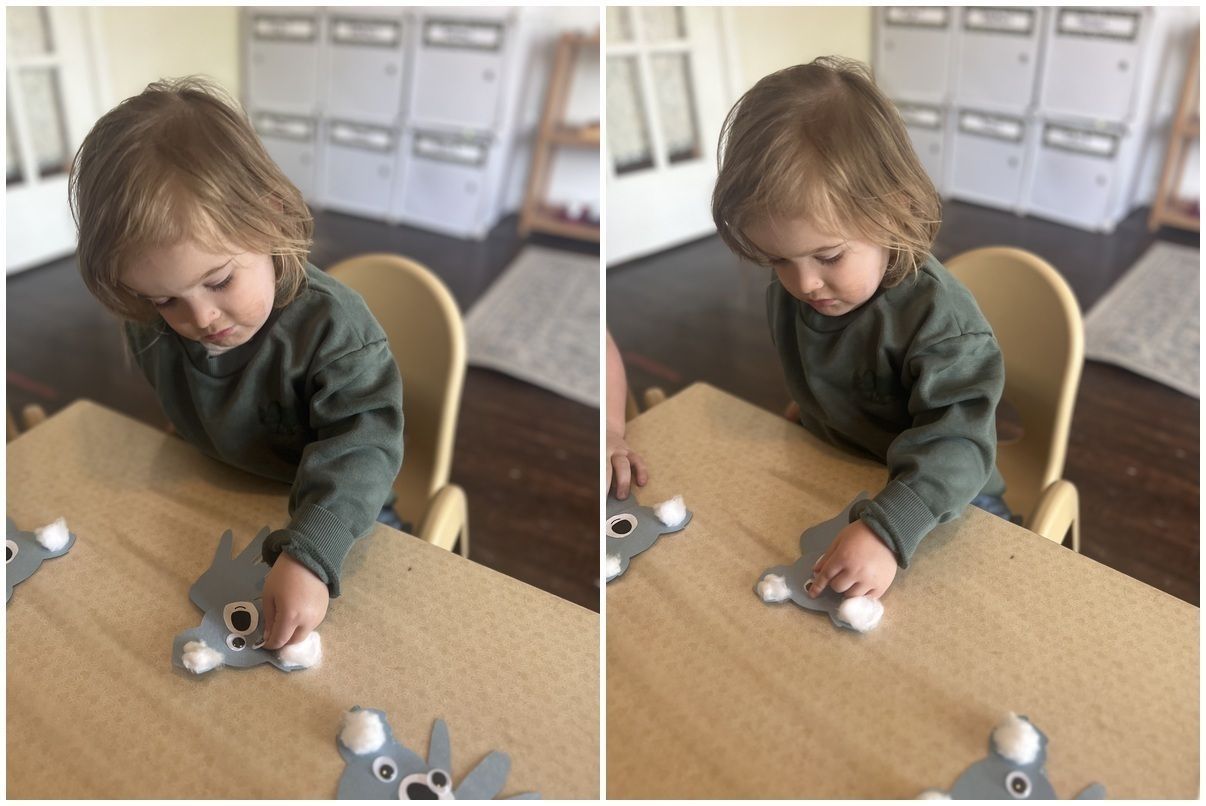
In a Montessori environment, creative expression is integrated seamlessly into daily life. Rather than following strict templates or copy-cat crafts where every child’s finished piece looks identical, we emphasize process over product. When children explore materials freely, they refine fine-motor control, develop hand-eye coordination, and experience the joy of independent discovery.
You do not need specialized artistic skills or elaborate supplies to foster this creative drive at home. Here are three simple, engaging creative invitations to try with your child, along with quick ideas for busy days.
1. Mini Watercolor Studies
Working on a smaller canvas helps young children manage their workspace independently without feeling overwhelmed by a vast blank page. Framing the paper with tape gives immediate, satisfying structure when peeled away.
Materials Needed:
- Watercolor paper cut into small cards 3"x3" or 4"x4"
- Low-tack painter’s tape
- Watercolor tray, paintbrush, and a small glass or bowl of water
- Fine-line waterproof marker
How to Prepare:
- Tape the edges of the small paper cards to a child-sized table or tray to create a clean border and secure the page.
- Invite your child to draw freeform lines or shapes across the card using the marker.
- Show them how to wet their brush, select a color, and observe how the paint flows across the paper.
- Once dry, gently peel back the painter’s tape to reveal a crisp, framed painting.
Montessori Connection: Watercolors teach lightness of touch, precision, and control of movement as children learn to manage the amount of water on their brush.
2. Homemade Sculpting Dough
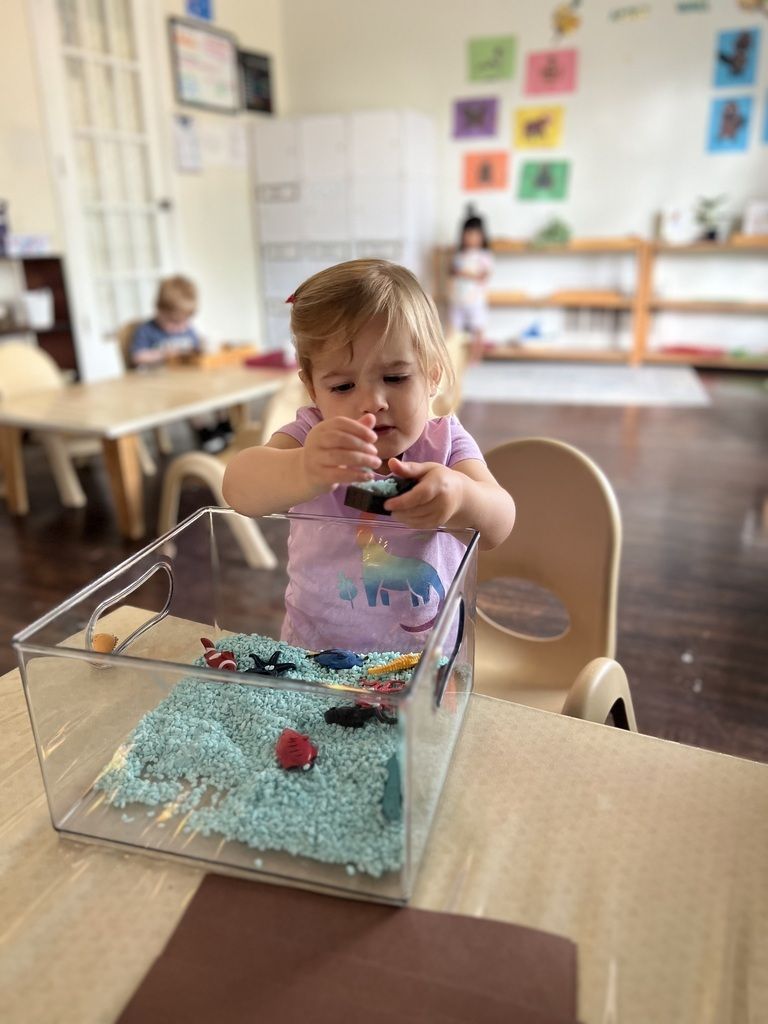
Making dough together offers a rich practical life activity—measuring, pouring, and stirring—before the sensory play even begins.
Ingredients:
- 1 cup all-purpose flour
- 1/2 cup salt
- 1 cup water
- 1 tbsp vegetable oil
- 2 tsp cream of tartar
- Optional: Natural food coloring or a drop of lavender essential oil
Preparation:
- Invite your child to help measure and combine the dry ingredients in a saucepan.
- Add the water and oil. Cook over medium-low heat, stirring constantly until the mixture pulls away from the sides into a cohesive ball.
- Allow the dough to cool completely before offering it to your child.
Open-Ended Exploration:
Instead of plastic molds, offer real-world tools that build hand strength: a small wooden rolling pin, a dull butter knife, stainless steel measuring spoons, or natural items collected from a outdoor walk (seashells, pinecones, twigs).
3. Botanical Kitchen Printmaking
Transforming produce scraps into art materials encourages observation of biological structures while repurposing household items.
Materials Needed:
- Kitchen scraps: halved apples, bok choy bases, celery ends, or citrus cross-sections
- Washable tempera paint spread thinly on a small tray or plate
- Heavy paper or cardstock
How to Invite:
- Show your child the natural patterns, seeds, and cross-sections inside the produce.
- Demonstrate how to dip the cut side lightly into the paint (or brush paint onto the surface) and press firmly onto the paper.
- Allow your child to repeat the prints to create patterns or simple botanical studies.
Quick Creative Invitations for Busy Days
When time or energy is limited, simple materials set up purposefully can offer deep engagement:
- Window Drawing: Offer dry-erase markers on low windows or sliding glass doors to exercise gross-motor arm movements.
- Cardboard Sculptures: Large cardboard boxes paired with crayons or oil pastels invite open-ended, spatial design.
- Scissor Practice: Provide child-safe blunt scissors and narrow strips of recycled paper or magazines for dedicated cutting work.
- Chalk on Construction Paper: Dark paper provides a striking contrast for sidewalk chalk on rainy or cold days.
- Color Diffusion: Use washable markers on damp paper towels or coffee filters to observe color bleeding and absorption.
Supporting the Creative Process at Home
When your child presents their work to you, try shifting from general praise ("That's so pretty!") to descriptive observation ("I notice you used bright blue curves on this side, and heavy dark lines over here. How did it feel to mix those colors?"). This encourages intrinsic motivation and deepens their reflection on their own work.
Curious how we encourage self expression at Montessori Oaks? Schedule a tour today!