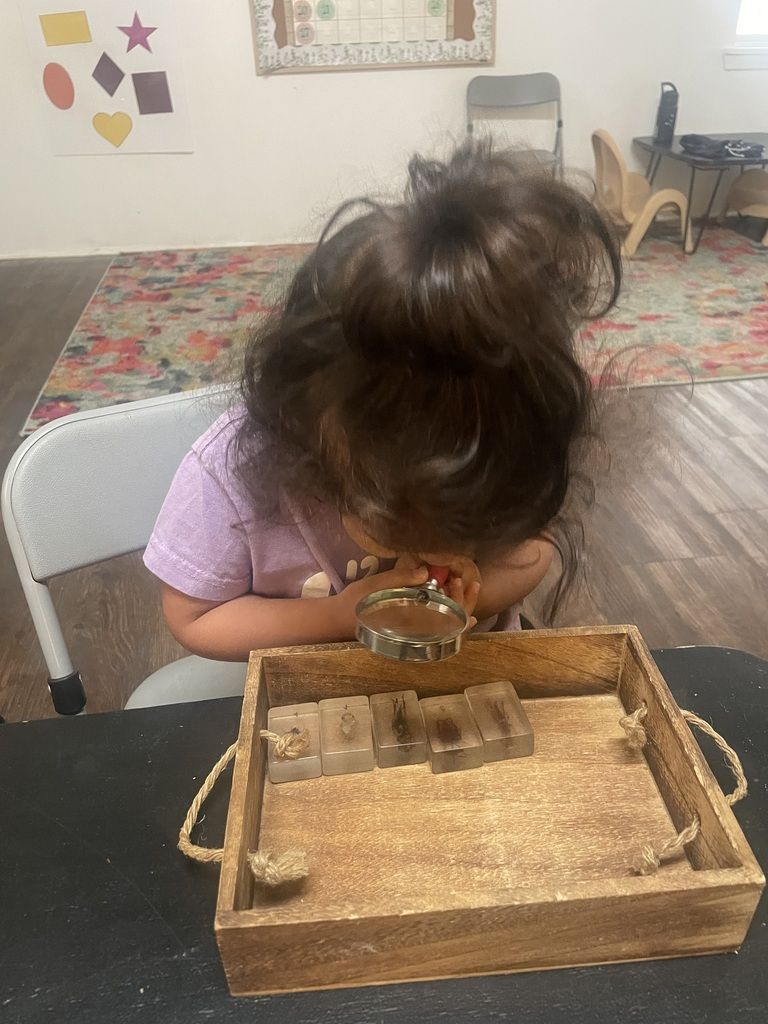
The Prepared Parent: Why Nurturing Yourself Matters for Your Child
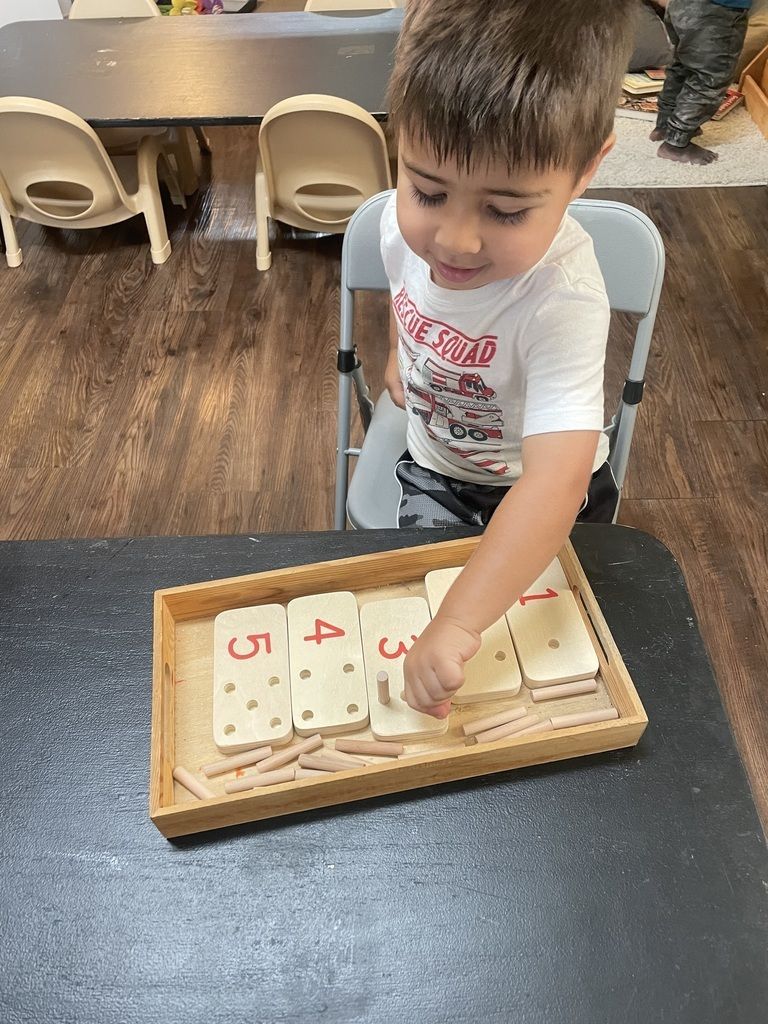
Parenting is a deeply meaningful journey, but it is also continuous work. Between professional responsibilities, household management, personal obligations, and the daily needs of our families, it is easy to run on empty.
In Montessori education, we place immense value on the prepared environment. We carefully design classrooms so children can move with independence, calm, and purpose. As adults, we need a prepared environment, too—and that starts with a prepared caregiver. Taking time to restore your own well-being is not a luxury; it is the foundation that allows you to offer patience, consistency, and presence to your children.
If you are feeling stretched, consider this a gentle invitation to slow down and restore your own energy. You do not need to implement everything at once. Choose one small practice that resonates with you today.
Restorative Practices for Busy Parents
- Nourish Your Physical Energy: Movement reduces stress and restores focus. Whether it is a 20-minute neighborhood walk, stretching on the floor, or a swift workout, find movement that feels refreshing rather than like another item on your to-do list.
- Reframing Daily Nutrition: Focus on fueling your body with nutrient-rich foods that sustain your energy throughout the day. Sit down when you eat, even if only for five minutes, and allow yourself to enjoy your meal without multitasking.
- Protecting Sleep and Wind-Down Time: It is tempting to spend late-evening hours scrolling or watching shows to decompress, often at the expense of sleep. Consider establishing an intentional bedtime boundary. Prioritizing rest helps you meet the morning with emotional reserve.
- Cultivating Meaningful Connection: Adult connection reminds us of our individuality beyond our role as parents. Make time for a phone call with a friend, a quiet cup of coffee with a partner, or an uninterrupted conversation with someone who brings you joy.
- Introducing Micro-Novelty: Routine provides predictability, but small shifts spark mental clarity. Try taking a different route on your commute, listening to a new podcast, or trying a fresh recipe. Small changes stimulate the mind and break up daily monotony.
- Creating Space for Daily Reflection: Take five to ten minutes at the end of the day to quiet your mind. Whether through journaling, quiet breathing, or simple silence, reflection allows you to process the day and reset for tomorrow.
When we care for ourselves, we model self-respect, balance, and resilience for our children. By nurturing your own well-being, you bring a calm, grounded presence back into your home.