Nurturing the Journey Toward Independence: A Guide for Parents
As parents and guides, our role holds a beautiful paradox. While we naturally want to hold our children close, our ultimate gift is supporting their path toward independence.
Dr. Maria Montessori observed that child development is a series of "conquests of independence." From the moment of birth, a child begins taking steps toward functional autonomy. By understanding these key stages, we can prepare our homes and classrooms to support their natural drive to do things for themselves.
Birth to One Year: The First Conquests
Independence begins far earlier than most realize. The first year is marked by fundamental shifts in physical and social capability:
- Breathing and Feeding: The moment the umbilical cord is cut, an infant takes on the independent functions of respiration and nourishment. In a Montessori framework, we honor this early autonomy by following the baby's hunger cues and introducing a weaning table as they transition to solid foods. Offering child-sized glasses and finger foods allows them to feed themselves rather than being passively fed.
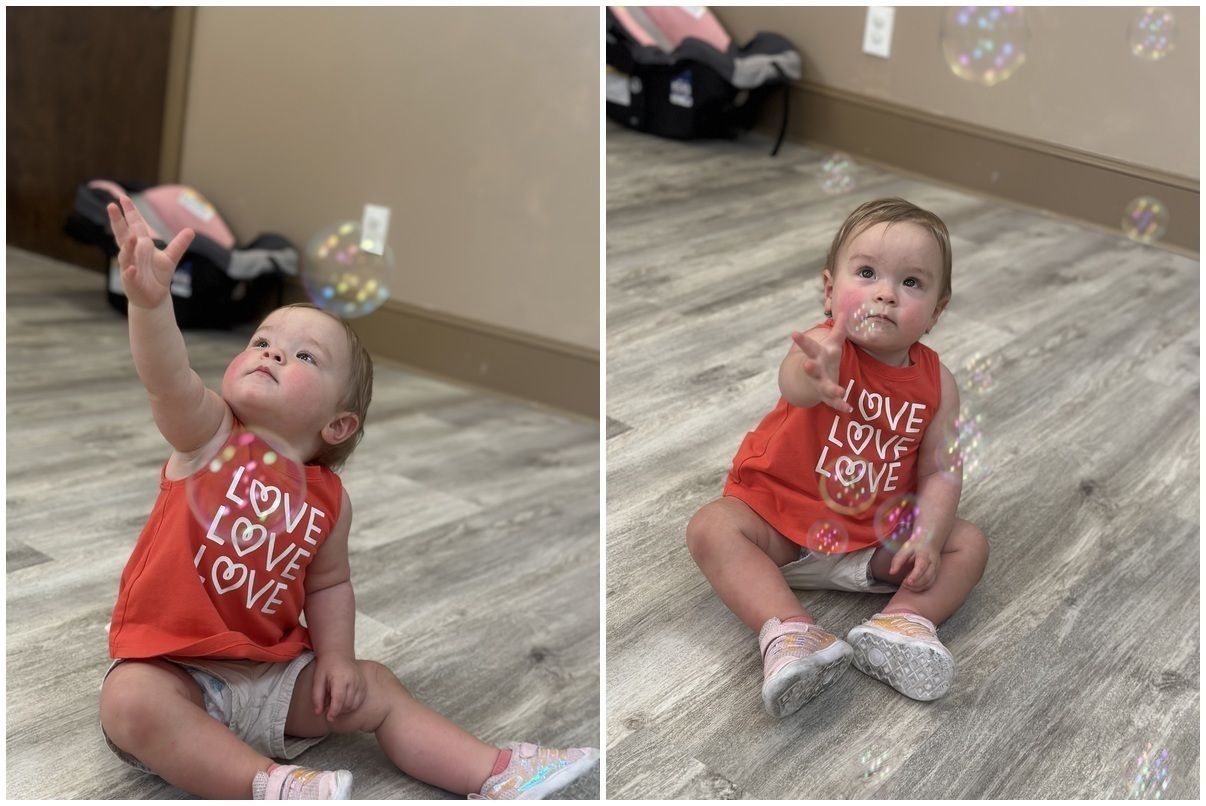
- Locomotion: As infants learn to roll, sit, slither, and crawl, they gain the ability to move toward objects of interest without needing to be carried.
- Self-Regulation and Separation: Healthy independence relies on secure attachment. Giving infants quiet time to be by themselves—without constant adult stimulation—builds self-soothing skills and confidence in their environment.
- Early Communication: Cooing, smiling, and crying evolve into early words, giving the child their first tools for expressing needs and connecting socially.
One to Three Years: Physical Autonomy and Will
During the toddler years, physical coordination blooms, and the child's strong internal desire to "do it myself" emerges:
- Confident Movement: Walking, running, and climbing open up the physical environment. Once walking is established, readiness for independent toileting naturally follows.
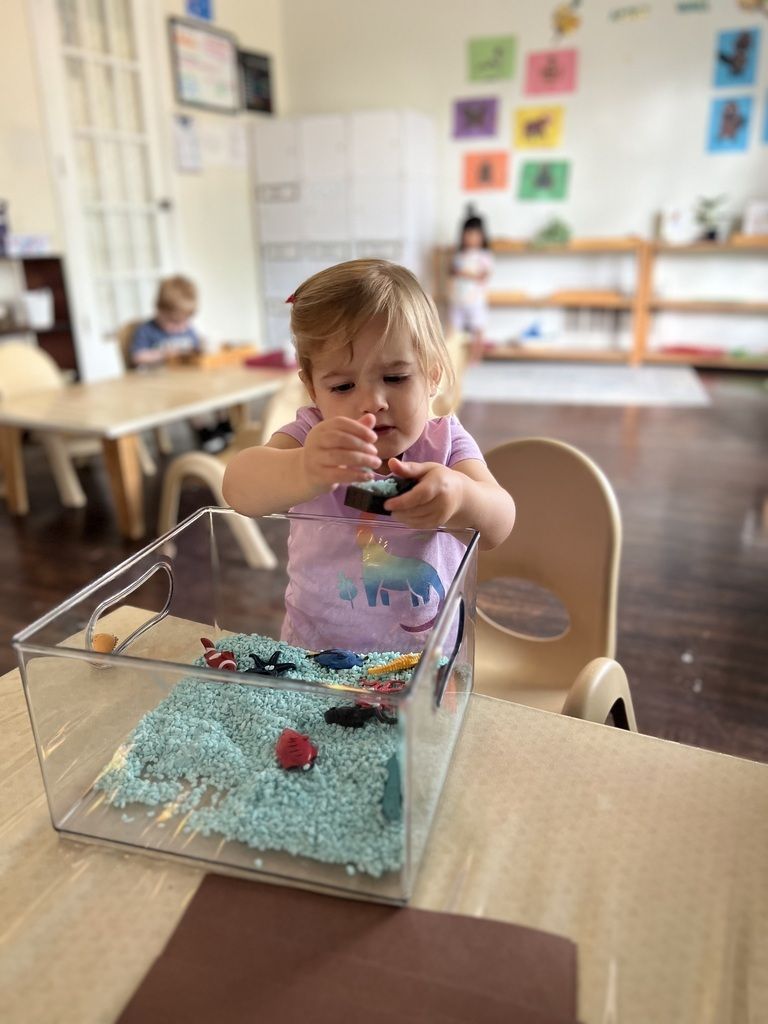
- Care of Self: Toddlers begin taking charge of their own bodies—practicing dressing, washing their hands, brushing their hair, and using child-sized utensils.
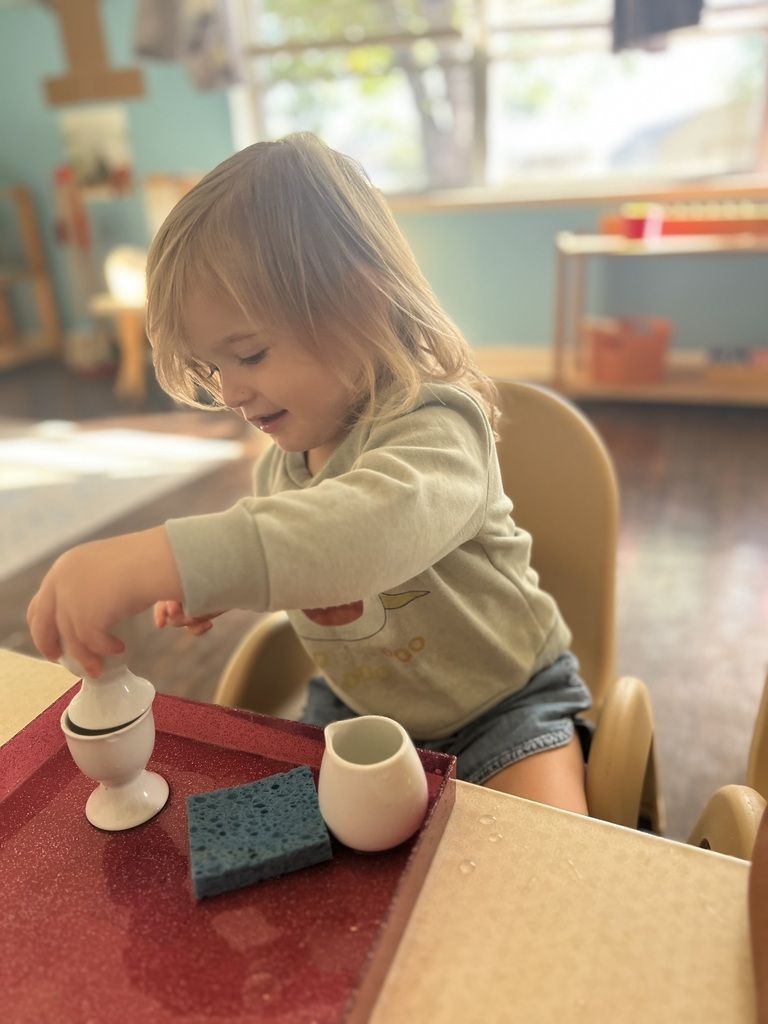
- Care of the Environment: Toddlers love functional work. They are fully capable of wiping up small spills, sweeping crumbs, folding washcloths, and returning items to low shelves.
- Exercising Choice: Development of the will happens through practice. Offering simple, real choices ("Would you like the blue cup or the red cup?") allows toddlers to practice decision-making within safe boundaries.
Three to Four and a Half Years: Social Expansion and Refinement
In the Primary years, the child refines their motor skills and expands their understanding of community:
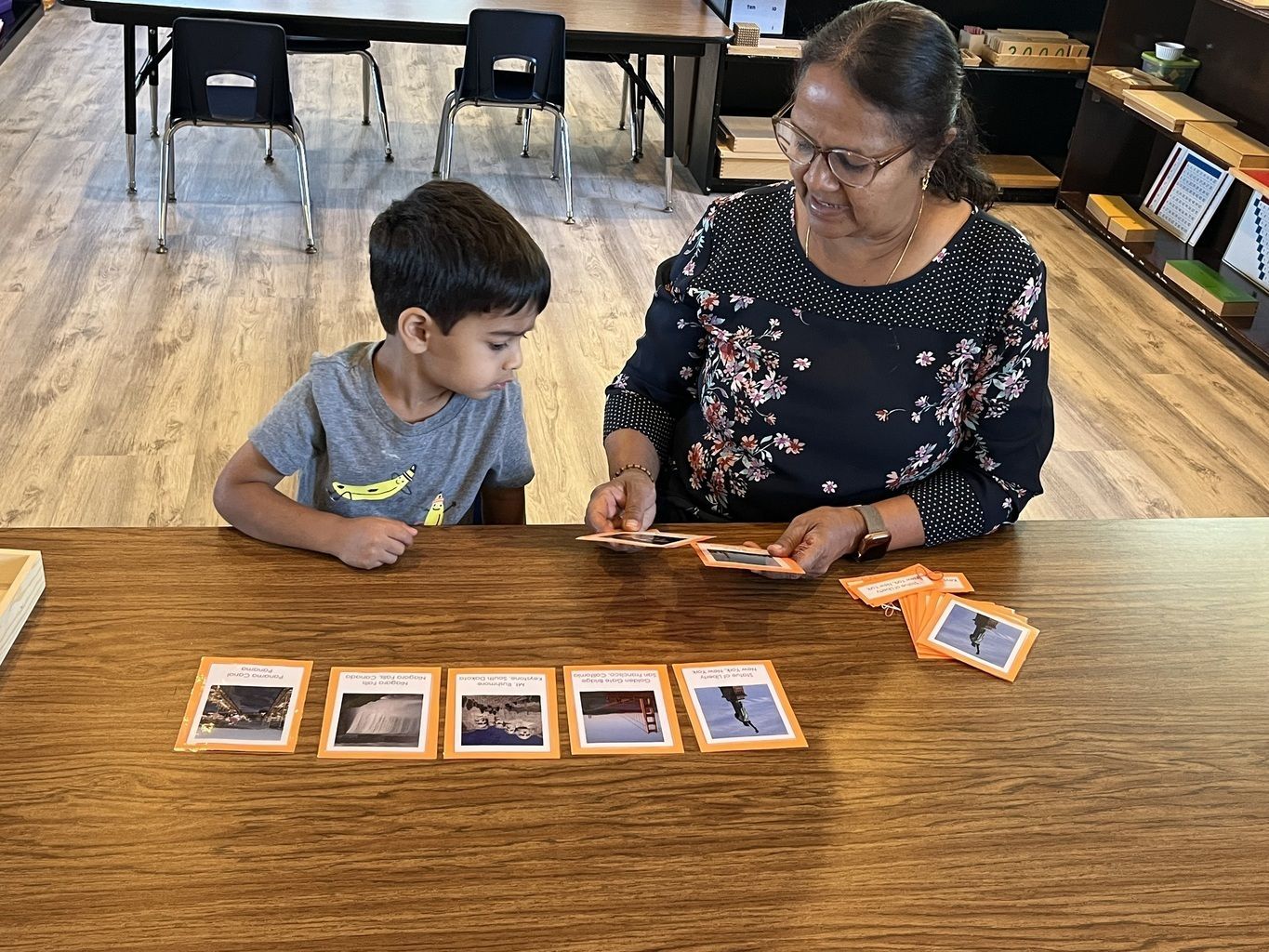
- Separation and Trust: Entering a school environment marks a major milestone. Children learn that they can thrive in a community beyond their family, building trust in other caring adults and peers.
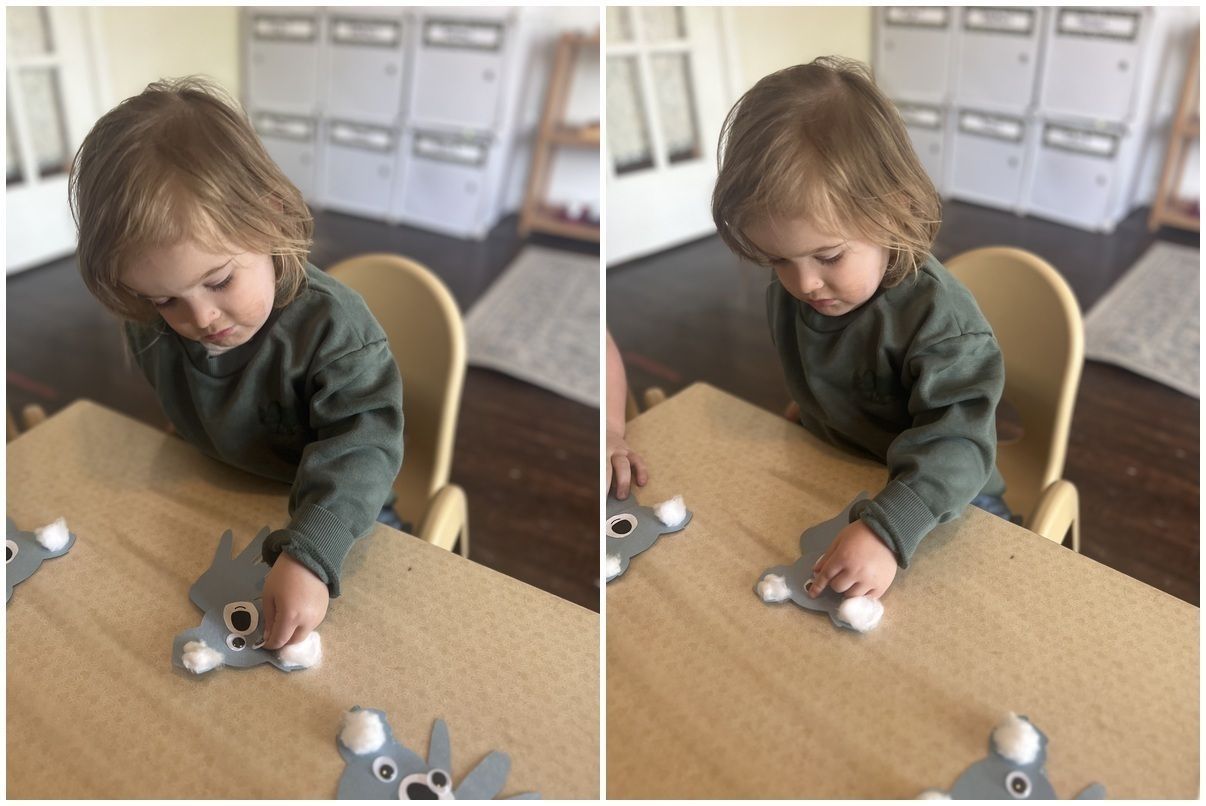
- Refined Fine Motor Control: Dexterity increases significantly. Children learn to manage complex clothing fasteners (buttons, zippers, buckles) and prepare their own snacks—such as slicing fruit or spreading butter.
- Expressive Language for Emotions: Expanding vocabulary allows children to name their feelings, move past frustration, and resolve minor conflicts with words.
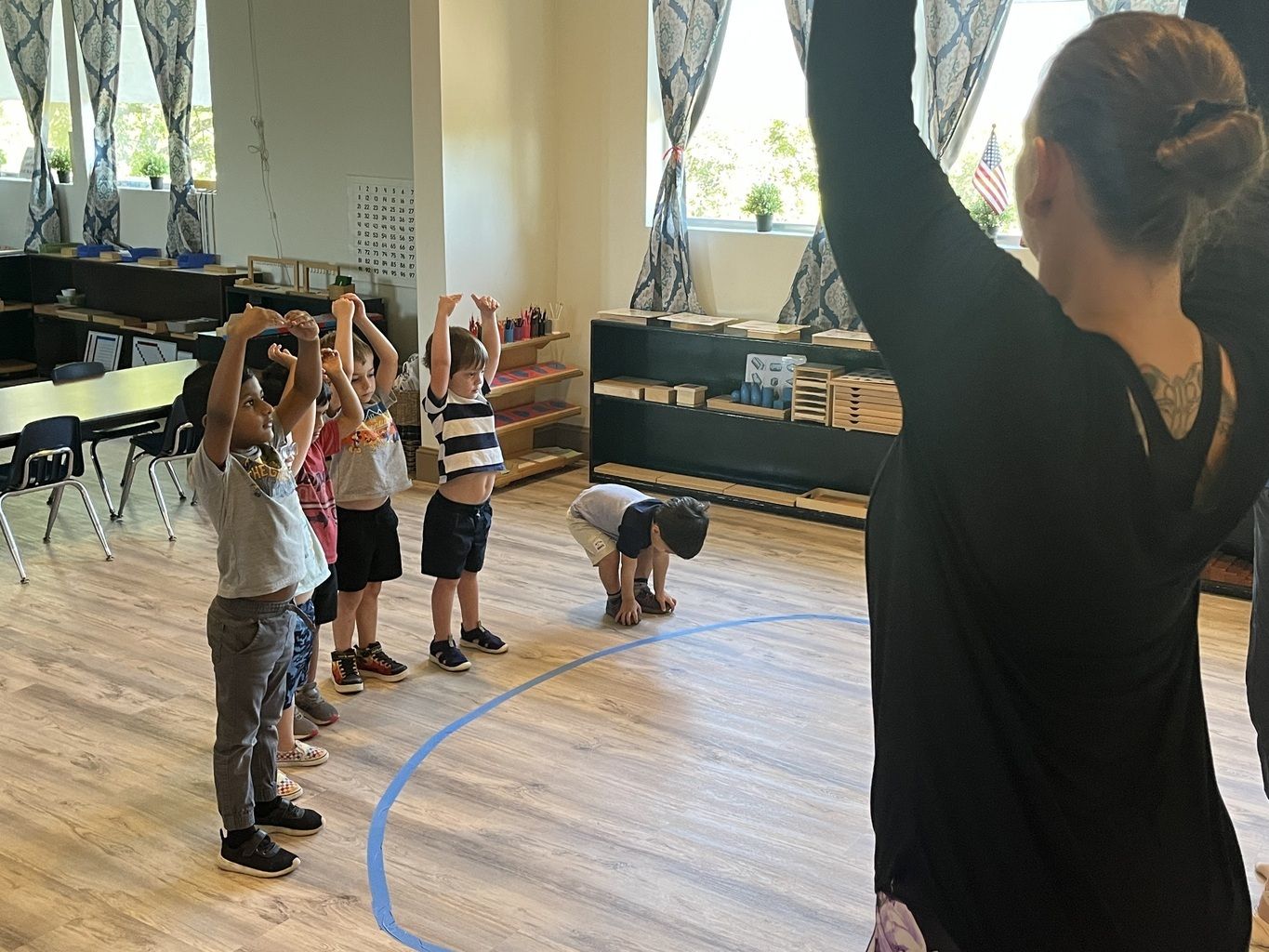
- Community Responsibility: Children take pride in real work that contributes to the classroom or home, such as setting the table, watering plants, and polishing wood.
Four and a Half to Six Years: Community, Empathy, and Literacy
In the final phase of early childhood, the child synthesizes their practical skills and turns their focus toward social cohesion and abstract thought:
- Social Independence: Children internalize the graceful social norms of their community—greeting visitors, offering help to others, and respecting shared spaces.
- Mentorship and Empathy: Older children naturally step into leadership roles, offering gentle help to younger peers with tasks like putting on winter boots or tying shoes.
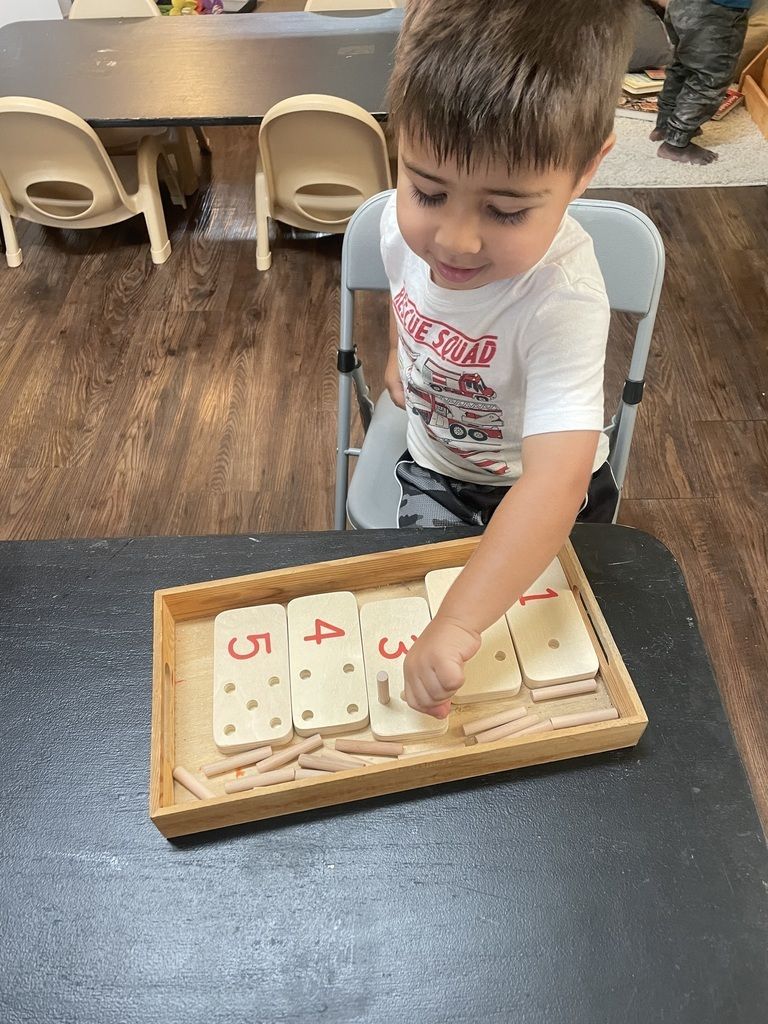
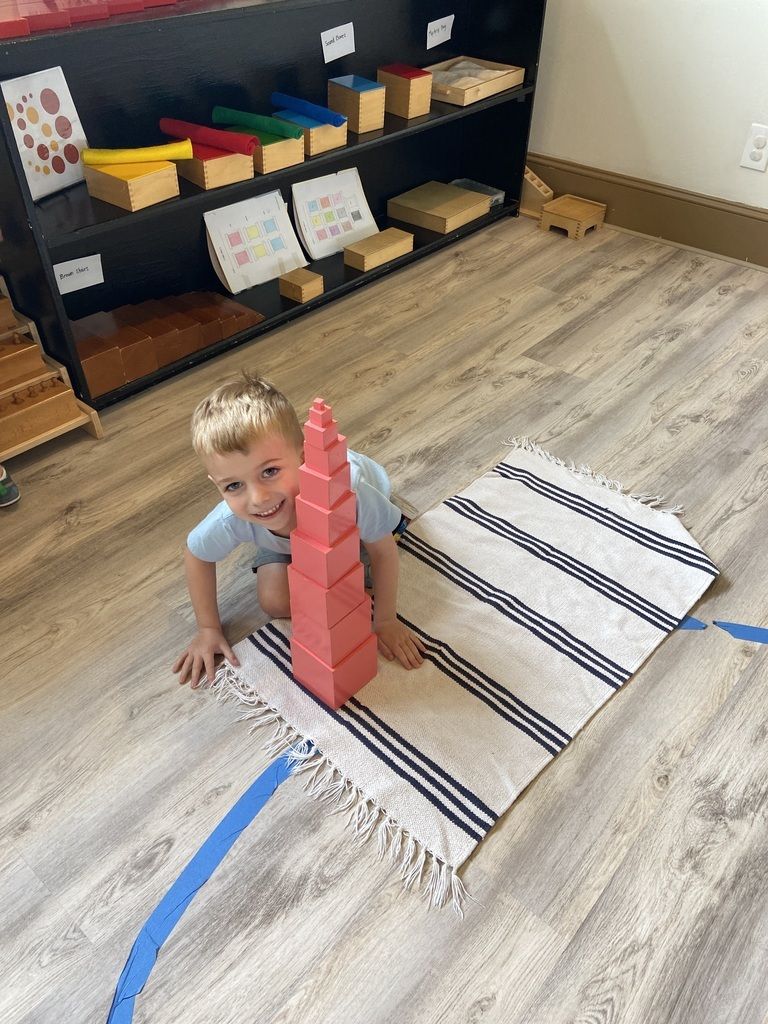
- Emergent Literacy and Numeracy: Rather than memorizing by rote, children gain a deep, concrete understanding of mathematical quantities and language symbols, using writing and reading as tools to express their own thoughts and interpret the ideas of others.
Supporting the Journey
Functional independence does not happen overnight; it is built through daily, patient opportunities to practice. When we slow down, adapt our environments to fit the child’s physical size, and resist the urge to step in too quickly, we communicate a powerful message: You are capable.
At Montessori Oaks, our prepared environments are thoughtfully designed to meet children at every stage of this journey. We invite you to
learn more about how our classrooms foster confidence, joy, and independence from the very beginning.