The Heart of Independence: Practical Life at Home and School
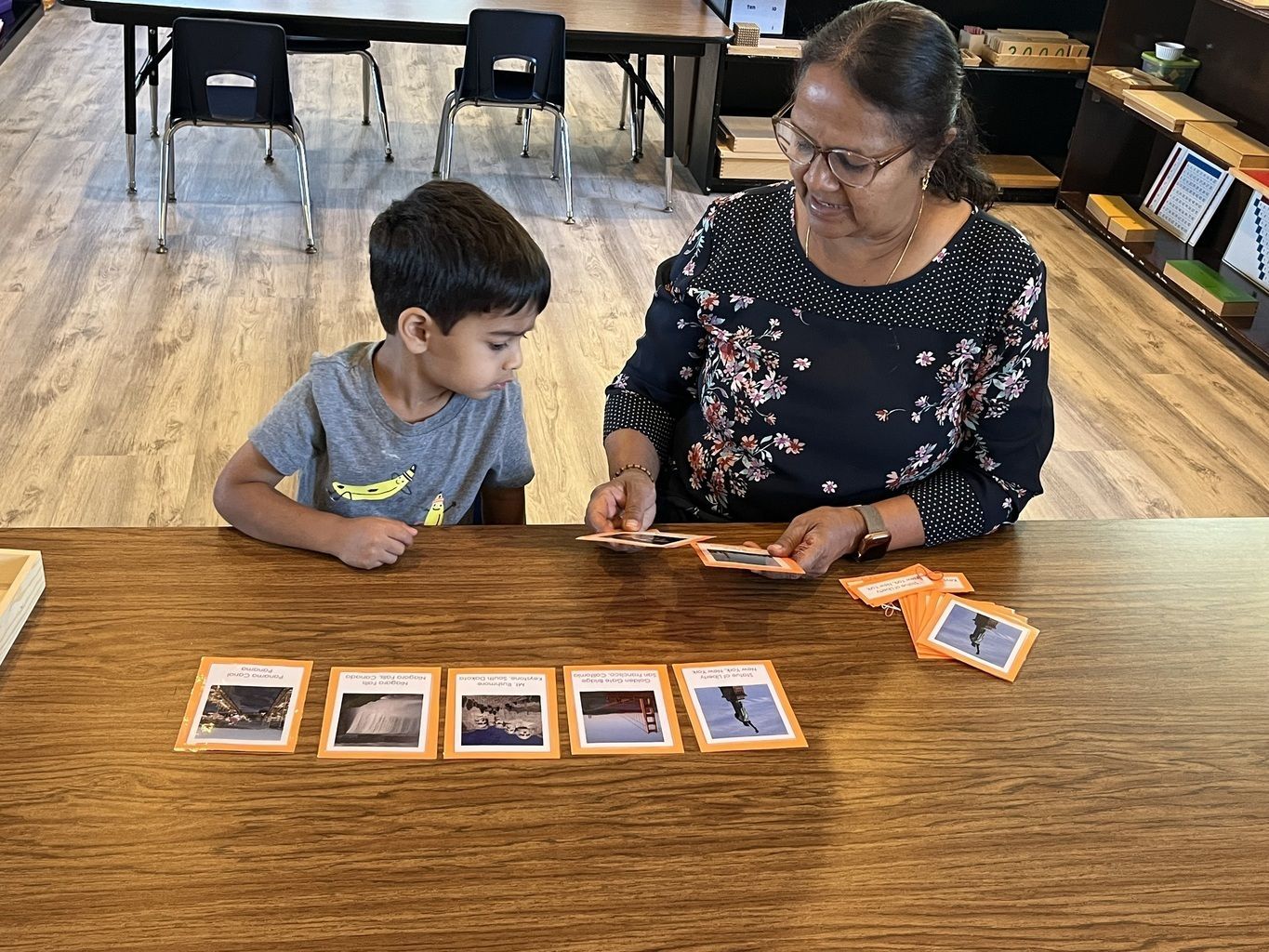
In our daily lives, we undertake dozens of tasks to care for our homes, our families, and ourselves. As adults, we often move through these routines on autopilot: washing dishes, setting the table, wiping down counters, or folding laundry. But to a young child, these exact moments hold immense fascination. Children yearn to participate in practical matters, and they experience profound joy when invited to engage in real, meaningful work alongside the adults they admire.
In Montessori education, we call these activities Practical Life. Whether it is buttoning a jacket, cleaning up a spill, or watering a classroom fern, Practical Life activities help children connect meaningfully to their community. They offer a natural introduction to cultural norms and everyday responsibilities while quietly nurturing internal motivation, executive function, and motor coordination.
Two Purposes: One External, One Internal
Every Practical Life activity carries two distinct purposes:
- The External Purpose (Visible): When a child scrubs a table, the table becomes clean. When they sweep, the floor becomes clear of crumbs.
- The Internal Purpose (Invisible): As the child works, they build concentration, fine and gross motor control, self-esteem, and a deep sense of belonging.
When children are given space to engage in purposeful work, they see themselves as active, valued contributors to their school or family. Learning to care for their own needs—dressing themselves, preparing a simple snack, or restoring a workspace—builds a foundation of true capability. Over time, these daily experiences instill a lifelong sense of responsibility, confidence, and self-direction.
Preparing the Environment for Success
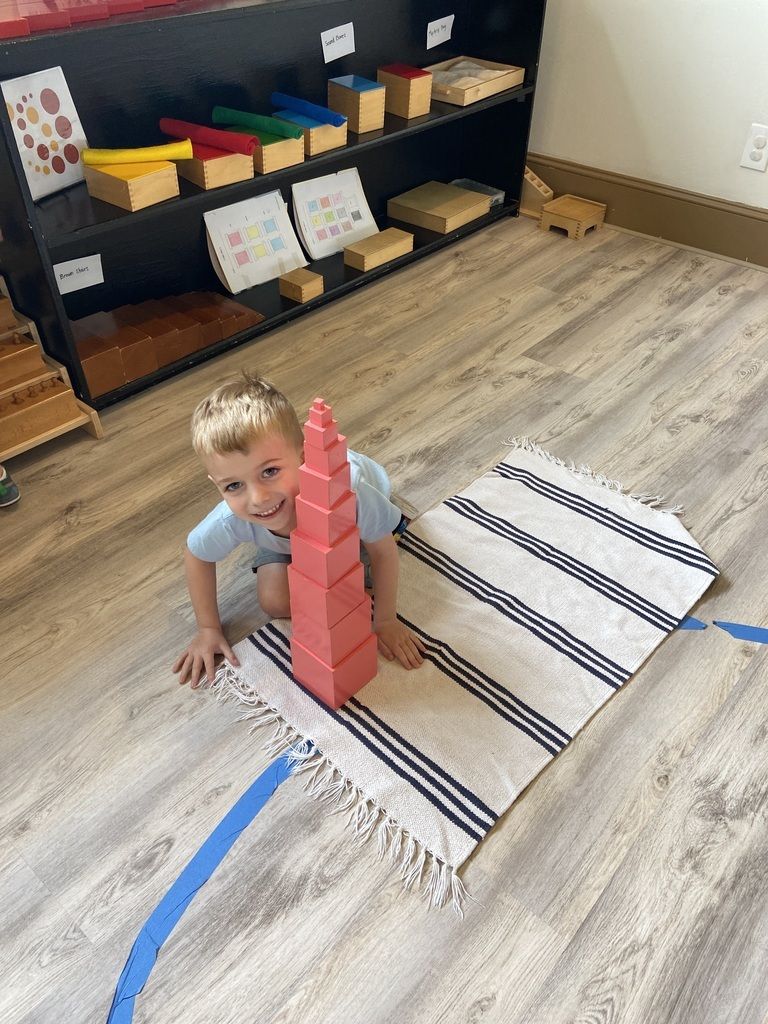
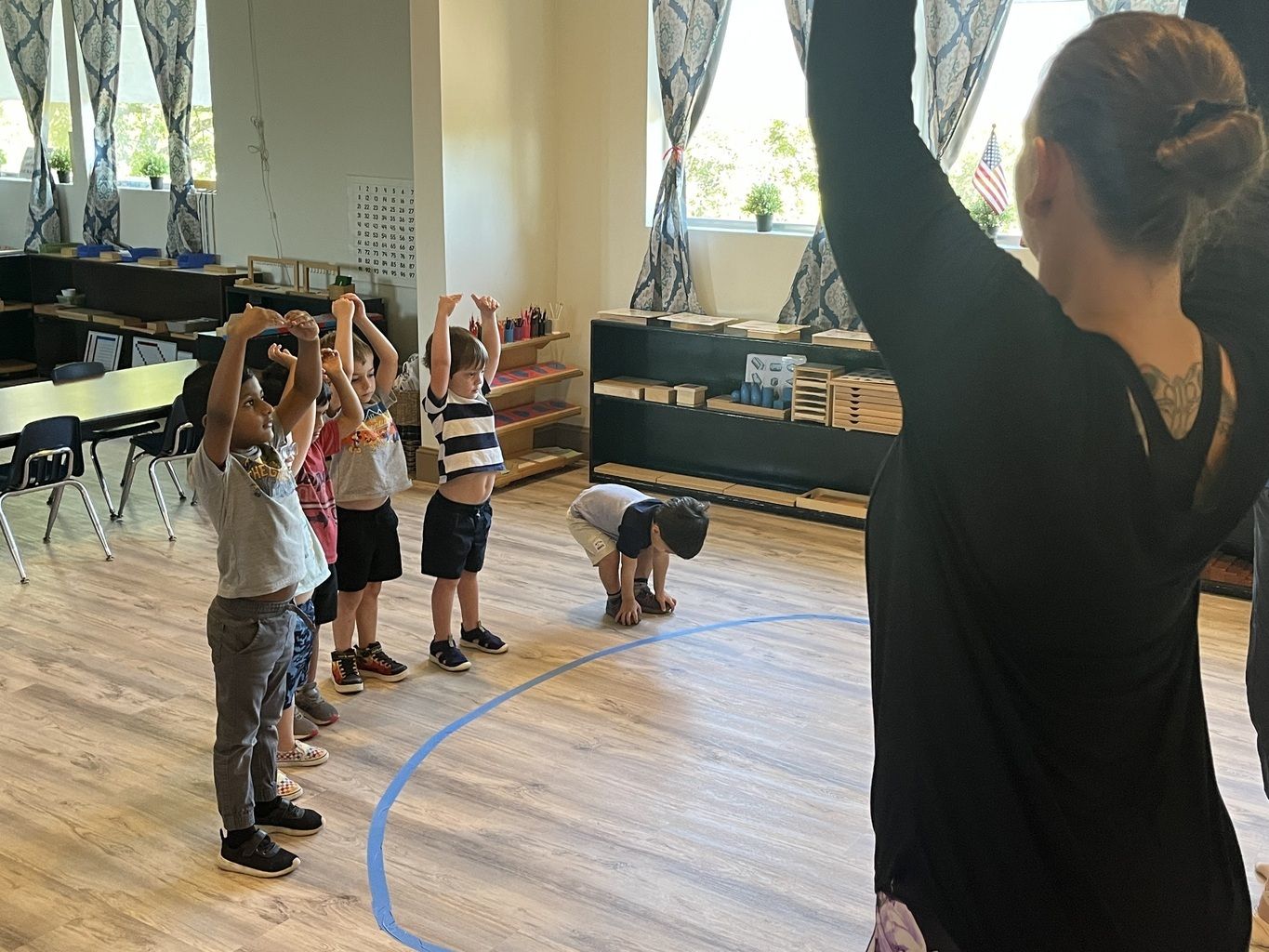
In our classrooms at Montessori Oaks, Practical Life activities are meticulously prepared and beautifully displayed to foster complete independence:
- Sinks and counters are built at child height.
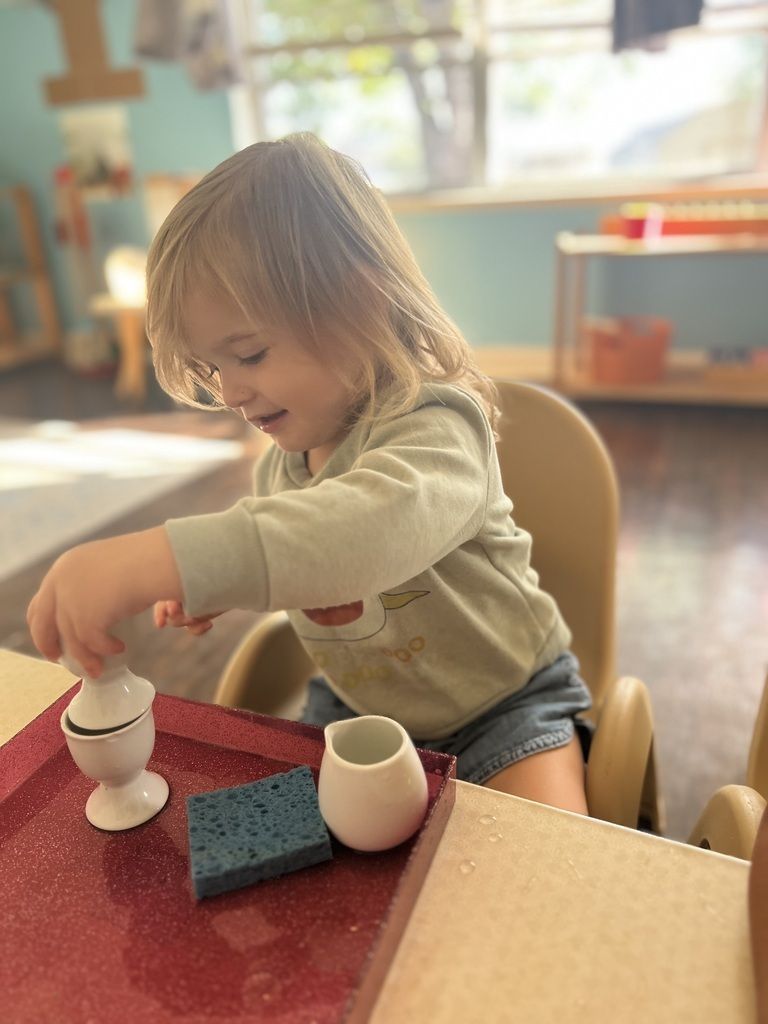
- Small pitchers hold just enough water or soap for a single exercise, allowing for self-correction without catastrophic spills.
- Tools are real, functional, and sized specifically for small hands.
- Every item has a designated, logical place on the shelf.
This thoughtful preparation allows children to accomplish tasks that adults usually do for them. When a child realizes, "I can do this myself," their view of their own potential expands completely.
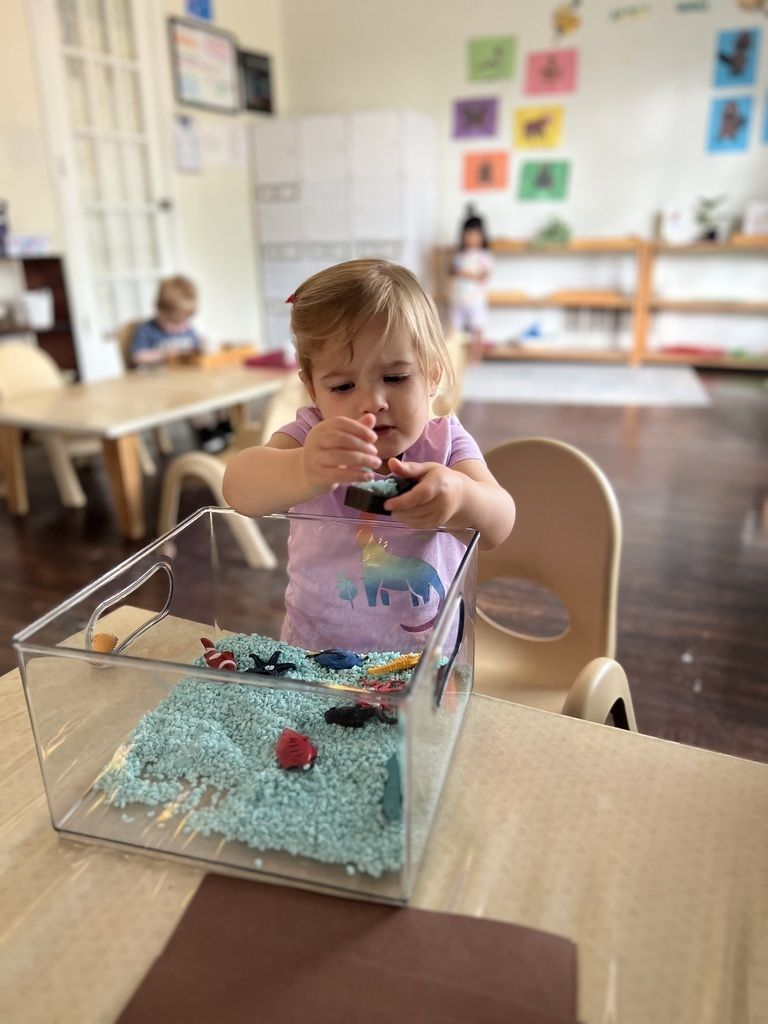
For our youngest children, independence begins through collaboration. With toddlers, guides and parents can narrate and invite participation: "I’m going to help you put on your shirt. Let's slide your right arm through this sleeve." As children grow, they naturally move from imitation to independent execution. This path isn't always linear—some days require more emotional or physical support than others. On those days, we offer a gentle bridge: "Let’s do this together."
Caring for the Community and Environment
Practical Life is divided into key areas, including care of person, care of the environment, and grace and courtesy.
Caring for the physical space—sweeping, polishing wood, watering plants, or arranging flowers—gives children a tangible way to steward their community. These are never "pretend" tasks or busywork; they are real, necessary activities. Children recognize the authenticity of the work, and they take immense pride in maintaining a clean, orderly environment for themselves and their peers.
Bringing Practical Life into Your Home
Parents frequently ask how they can extend Practical Life into their home routine. Supporting this work at home does not require special Montessori materials; it simply requires intentionality, patience, and child-accessible setups.
Simple additions can make a profound difference:
- A low hook or basket near the entryway for coats and shoes.
- An accessible drawer with placemats, napkins, and child-safe utensils so your child can set the dinner table.
- A low step stool in the kitchen and bathroom.
- Small cleaning tools (a small dustpan and broom, a small sponge) placed where the child can reach them independently.
A Practical Life Checklist for Home Activities
When introducing a new household task to your child, consider these guiding principles:
- Is it real and necessary? Does the activity serve an actual purpose in the home?
- Is it child-sized and safe? Are tools light enough and sized properly for their hands?
- Is it isolated and logical? Are the steps clear and easy for the child to follow?
- Does it allow for repetition? Can the child repeat the process to refine their movement without being rushed?
- Is it attractive? Are the materials clean, unbroken, and inviting?
The Inner Satisfaction of Purposeful Work
When children master the ability to care for themselves and their environment, they develop a quiet, grounded confidence. They internalize order, build physical coordination, and take genuine pride in declaring, "I did it all by myself!"
Children naturally pour their full attention into work that has real purpose. They experience deep satisfaction not just in completing a chore, but in the peaceful, rhythmic process of doing the work itself.
Experience Our Prepared Environments
At Montessori Oaks, Practical Life is the foundation upon which all future academic and personal growth is built.
We invite you to schedule a tour and observe the joy, concentration, and independence of our students in action.