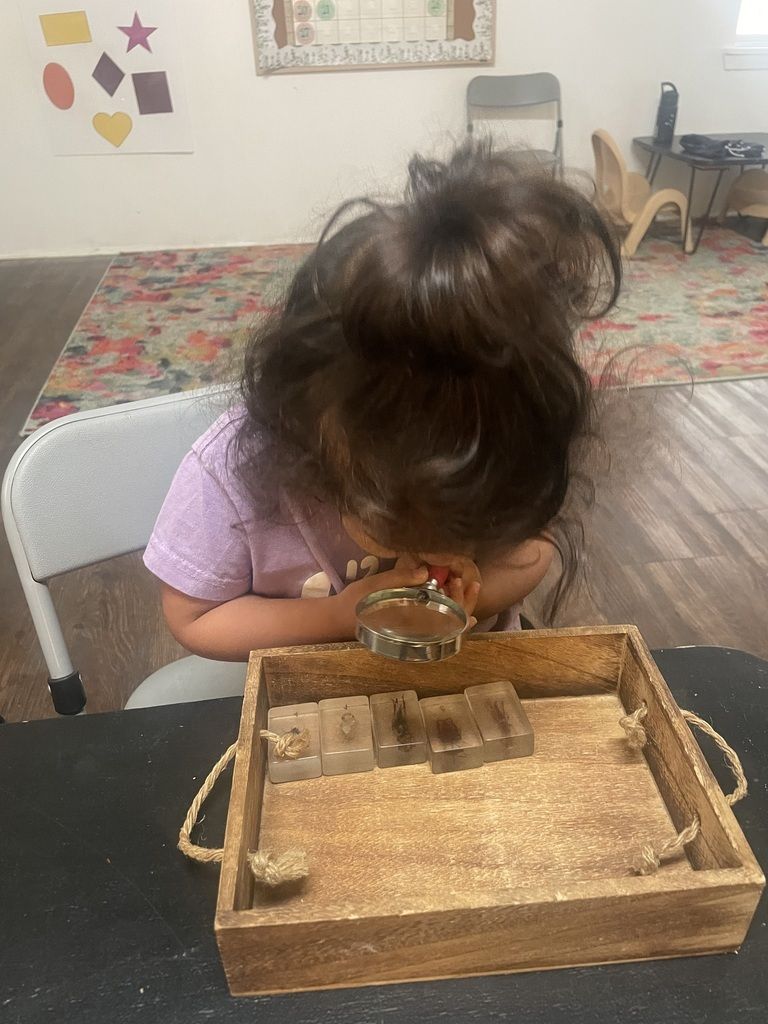
Understanding the Drives Behind Your Child’s Everyday Behavior

The scene may feel familiar. You sit down for a family dinner. Your youngest starts tapping a spoon against a bowl, fascinated by the rhythm and sound. Your middle child launches into a series of big, complex questions: “What does it mean to get an education? Why do people go to school? Why are there wars?” Meanwhile, your oldest grows frustrated with the younger two, longing for order and quiet so everyone can just eat.
In those lively, chaotic moments before a meal, it’s natural to feel a wave of exasperation. As parents and guides, we might occasionally wonder what propels our children. What are they truly exploring when they poke a fork into the table or ask questions that stretch to the ends of the earth?
Innate Human Tendencies
As human beings, we are born with universal characteristics. We are hard-wired from birth to explore, work, connect, and communicate. We crave order in our surroundings, imagine new possibilities, and strive to create. We have an inherent need to orient ourselves to our surroundings, move our bodies, and wonder about the how and why.
These "human tendencies" are unconscious, lifelong drives.
A newborn finds immediate orientation in the familiar rhythm of a parent’s heartbeat. When placed on a movement mat, an infant will stretch, rotate, and scoot—driven by an internal blueprint toward the upright posture that will eventually free their hands to explore.
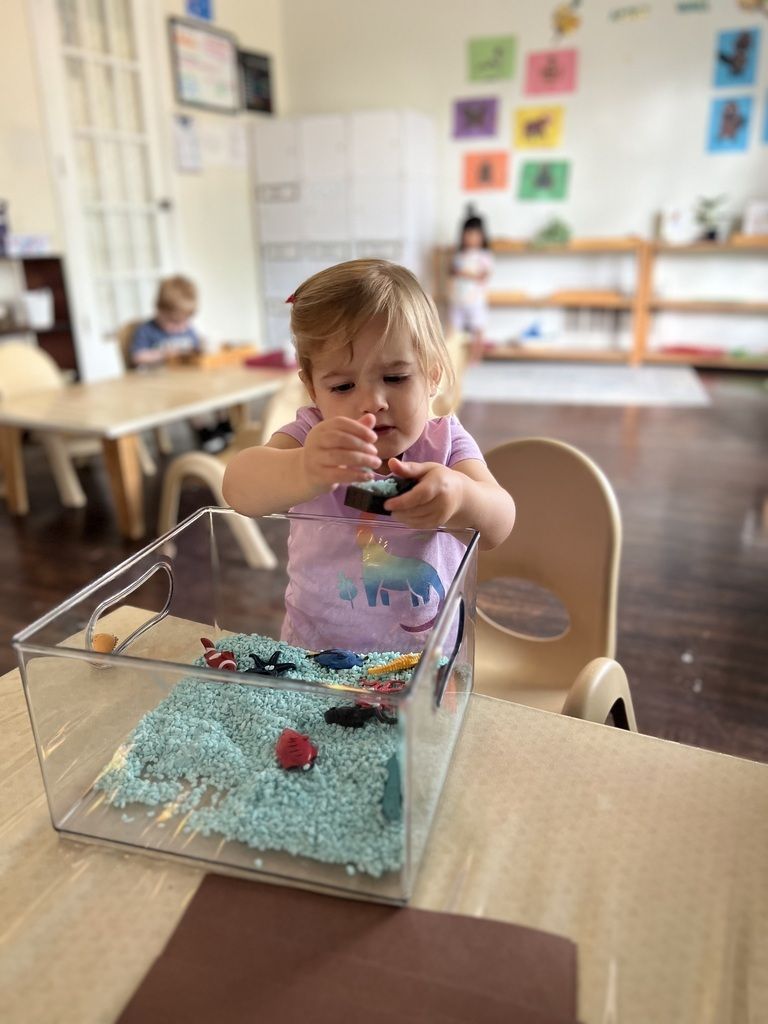
While we readily recognize these physical drives in infants, that same vital life force is just as powerful in older children. When a child taps a spoon against a bowl, they aren't trying to disrupt dinner. They are actively exploring cause and effect, delighting in auditory feedback, and refining their sensory understanding of the world.
Bridging Human Tendencies and the Home
When we pause to remember that children are driven by these fundamental human needs, we can respond with clarity and patience rather than frustration.
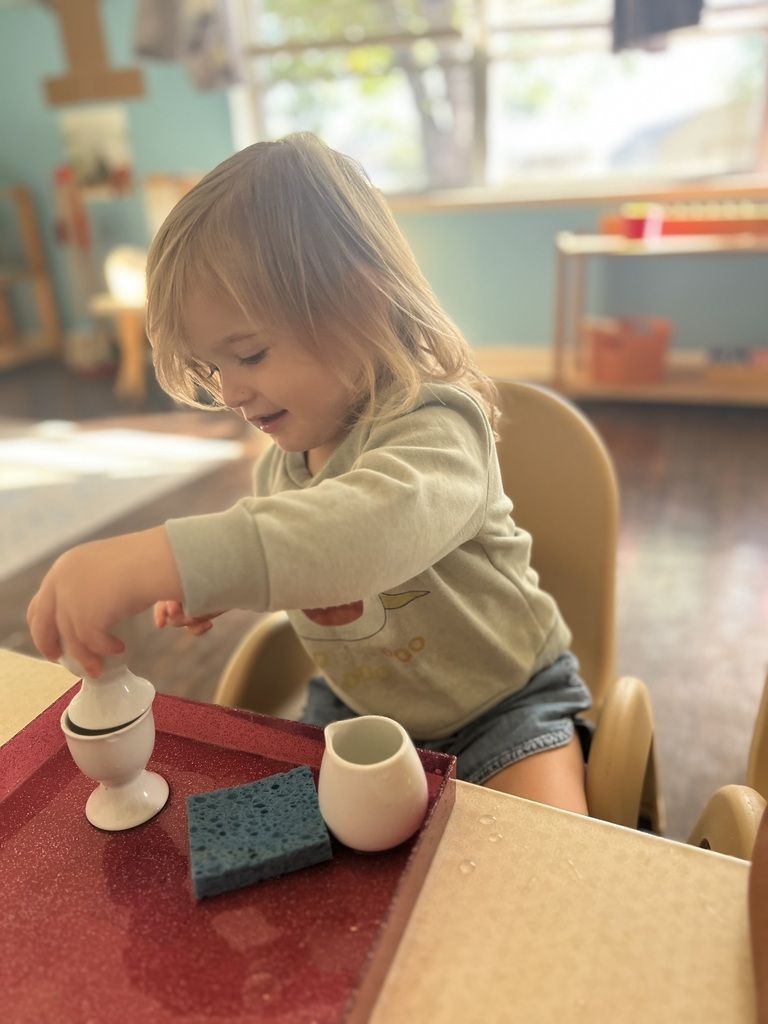
- The Need for Order and Orientation: Children thrive when they understand their place in an environment. Just think of the slight uncertainty you feel when visiting a new home—wondering where to place your coat or how to help. By creating consistent routines and accessible spaces, we help children feel grounded. Simple setup—like low hooks for coats, accessible water pitchers, or clear spaces for shoes—allows them to actively participate in household life.
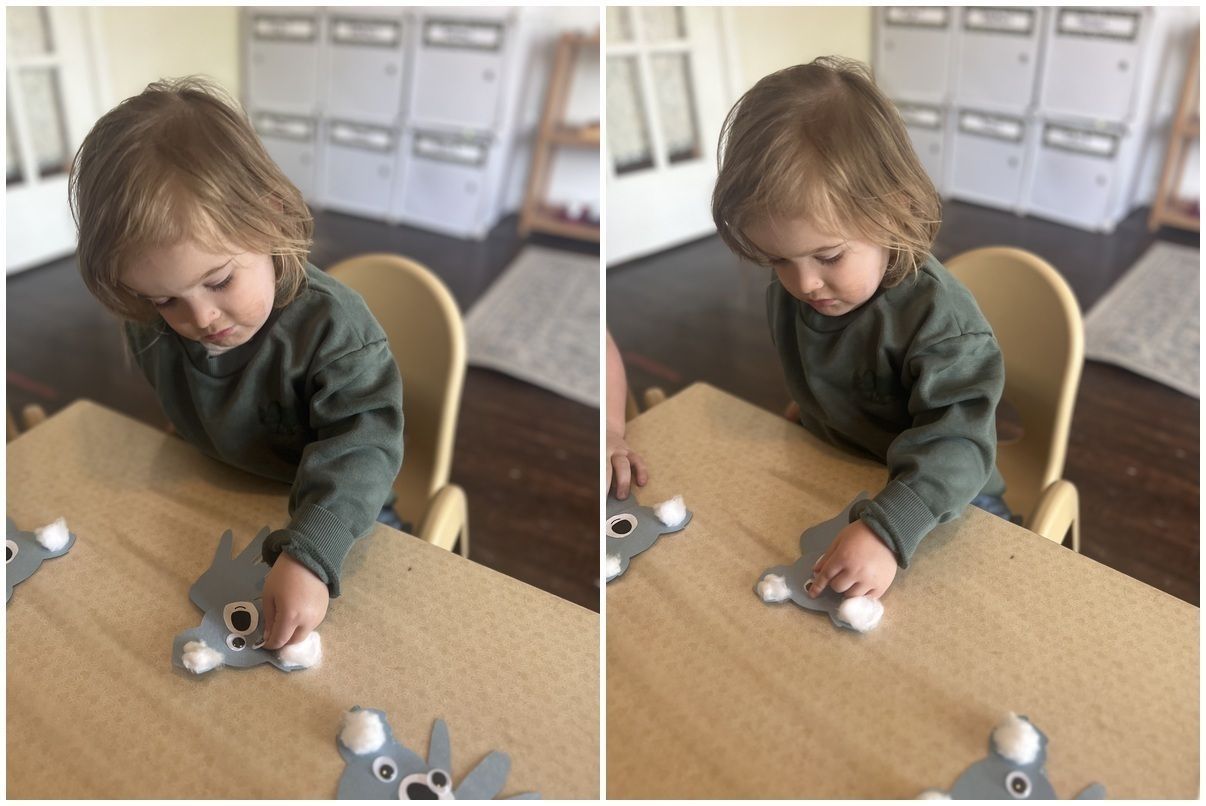
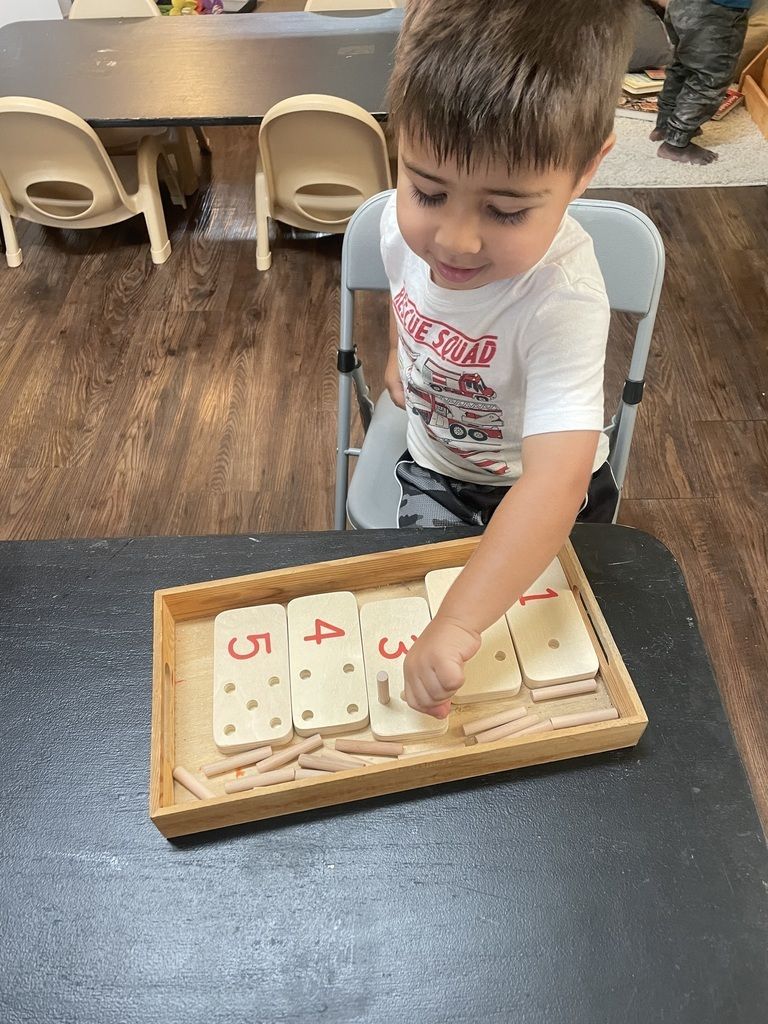
- The Need for Meaningful Work: Children want to contribute to the actual functioning of the day. Setting the table, feeding a pet, folding laundry, or helping prepare meals aren't just chores; to a child, they are meaningful opportunities to develop concentration, coordination, and a genuine sense of belonging.
- The Need for Intellectual Exploration: A barrage of big questions stems from a child's expanding mind. They are beginning to reason, weigh moral questions, and consider the wider world. They need opportunities to test ideas, express curiosity, and make connections to what they already know.
- The Need for Connection and Social Order: As social beings, children are learning how to collaborate. An older child trying to direct younger siblings is often simply attempting to create order and connection, but lacks the grace and courtesy tools to do so effectively. They don't need reprimands; they need gentle modeling on how to communicate with respect.
How We Honor Human Tendencies at Montessori Oaks
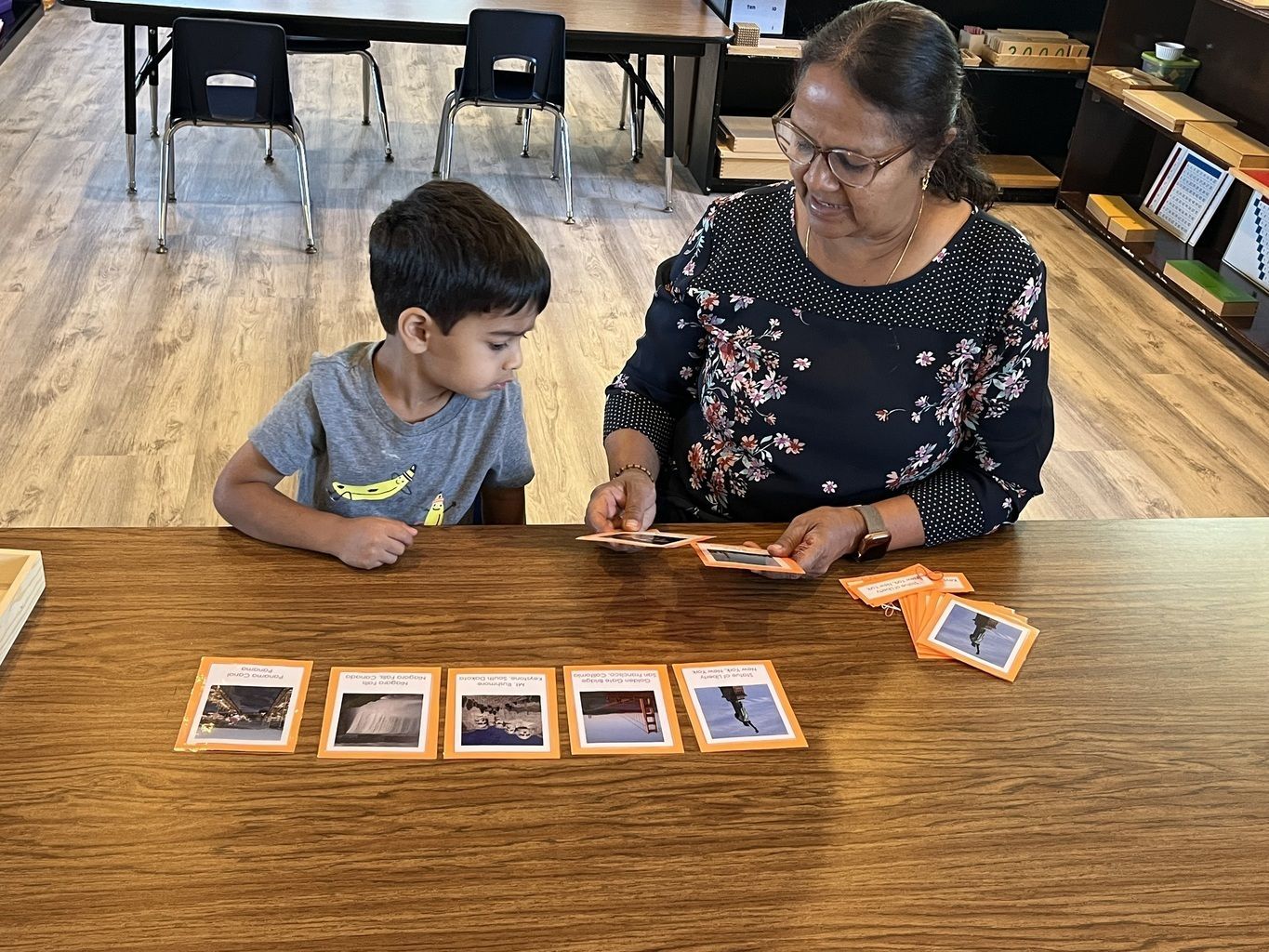
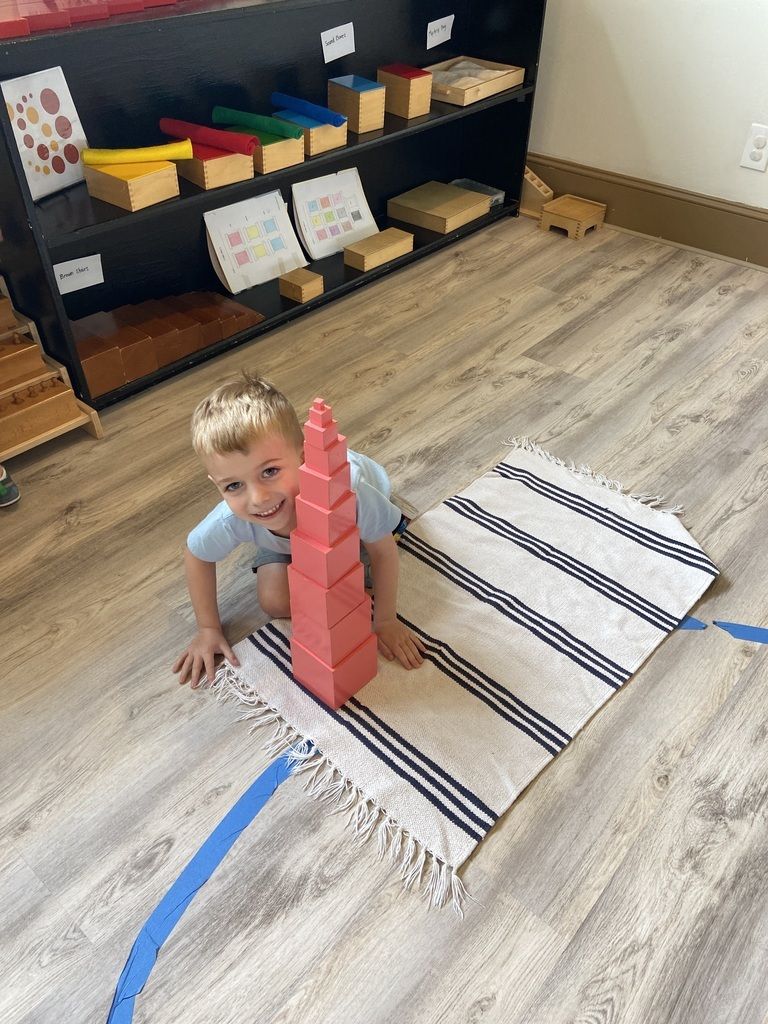
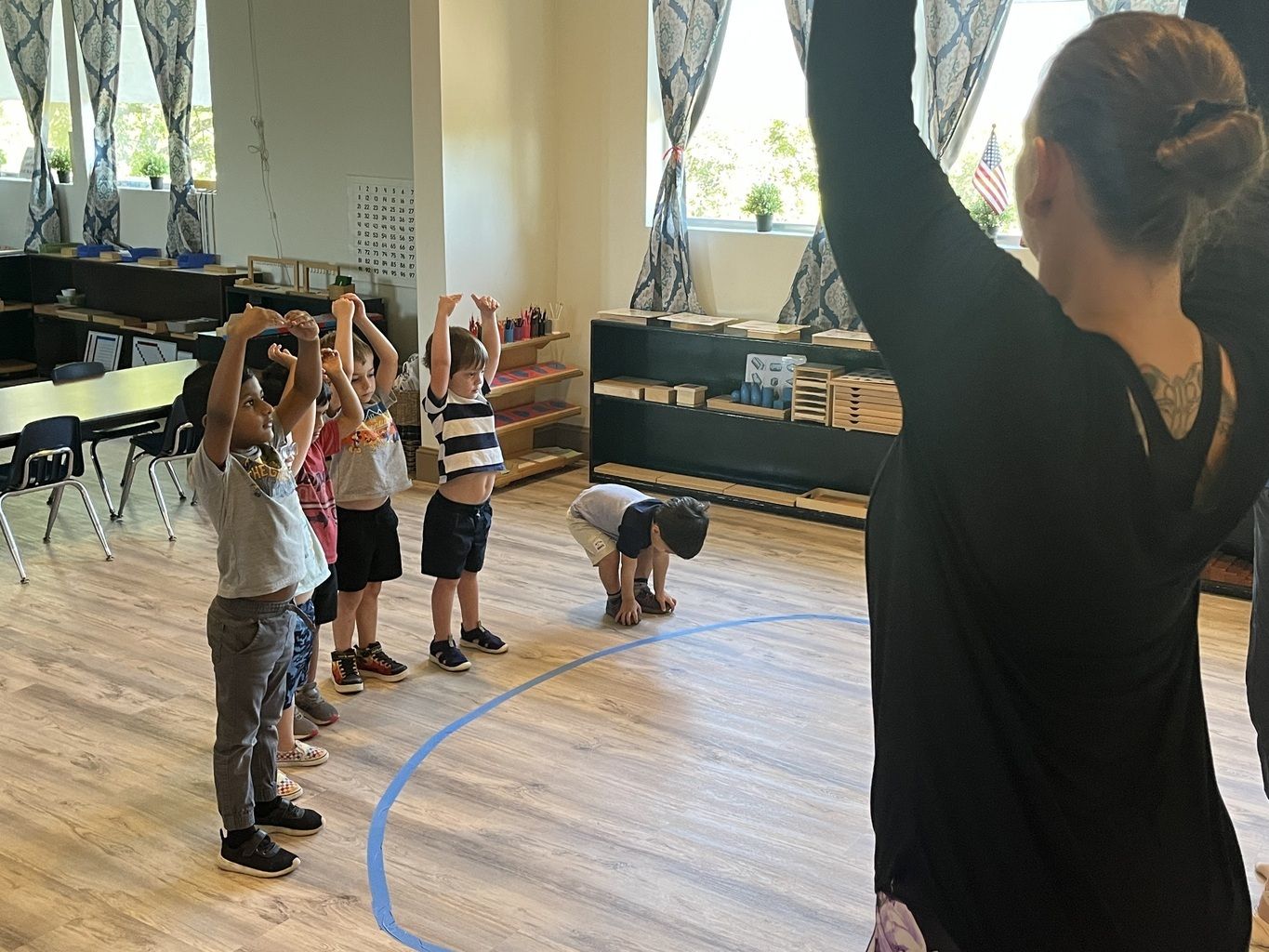
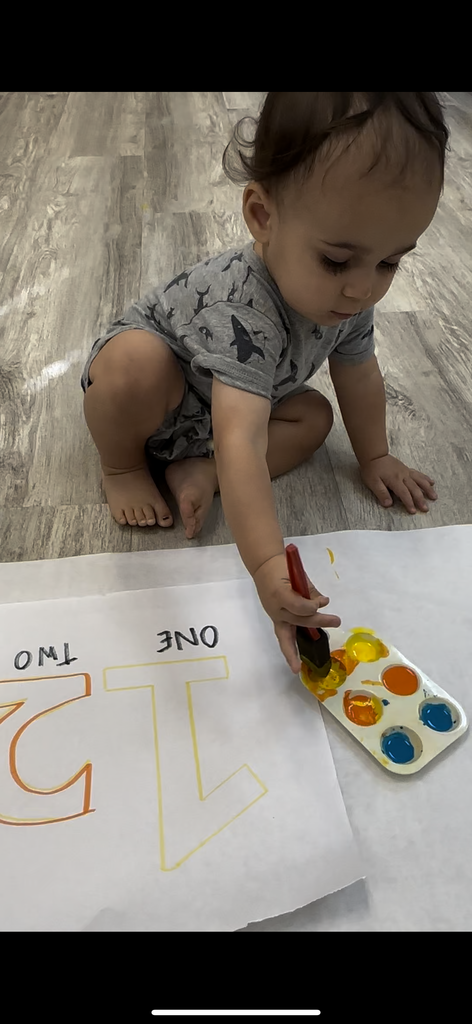
At Montessori Oaks, our prepared environments and authentic Montessori curriculum are designed around these exact drives. We carefully observe how human tendencies manifest at each unique plane of development—adapting our classrooms so that a child's natural urge to move, order, speak, and work is channeled into purposeful activity.
When we honor these innate drives rather than work against them, children do not merely manage their behavior—they flourish intellectually, socially, and emotionally.
If you'd like to see this in action, please schedule a tour today!