The Montessori Difference: What to Expect at Montessori Oaks
July 27, 2026

There is no doubt about it: Montessori is beautifully different. From the moment you step foot into our environment, you can sense that it operates on a different rhythm than conventional childcare or early schooling.


We embrace this distinct approach. We know that what we offer is a unique aid to life, and the families who seek out Montessori Oaks are typically looking for an educational experience that honors the natural development of their child.

What exactly is it that makes this approach so special? Here are a few of the foundational pillars that define our daily practice.


Freedom Within Limits


One of the most common misunderstandings about the Montessori method is that either the children run amok with no direction whatsoever, or the environment is so rigid that it allows for no individual expression.


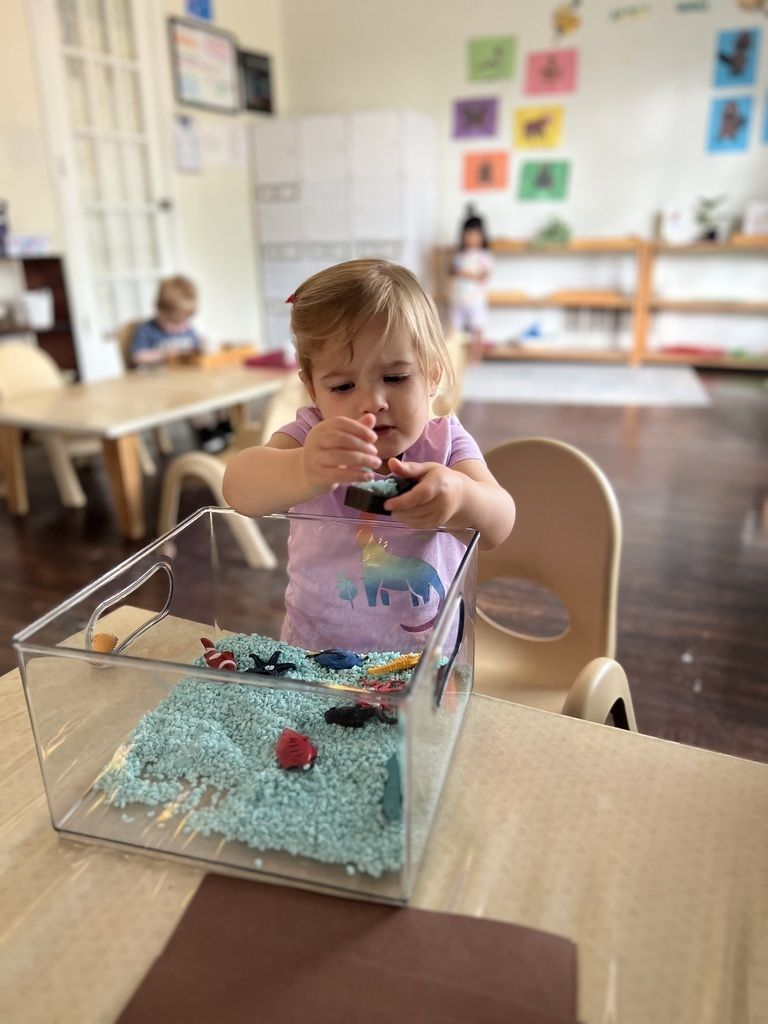
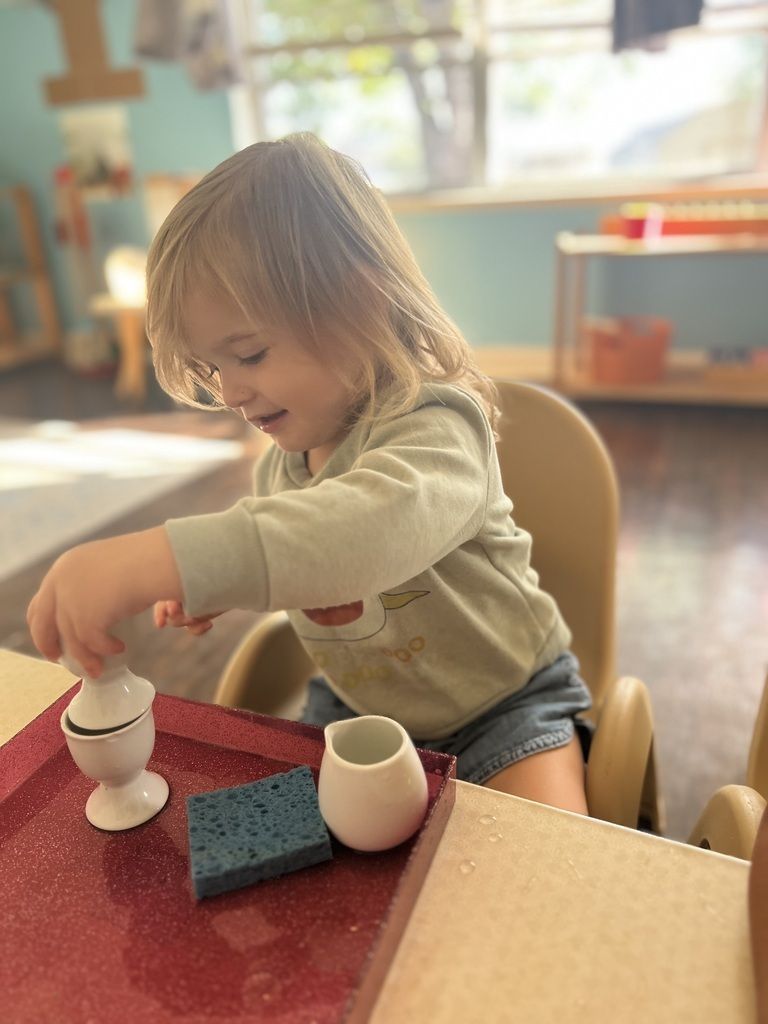
In reality, the truth lies beautifully in the balance between the two. Montessori deeply values a child’s independence and choice. Within our classrooms, children choose their own purposeful work, decide where to sit, move freely throughout the room, and take care of their bodily needs—like having a snack or using the restroom—when their bodies tell them to.


To help them navigate these choices successfully, our guides create carefully crafted boundaries:

  • Curated Choices: Children choose their work freely, but every single option on the shelf has been intentionally placed there by the guide to support a specific developmental milestone.
  • Respect for the Material: Children are shown how to use the materials with care and purpose.
  • Deep Concentration: If a child chooses to work with the same material for days in a row, we protect that focus. We trust that they are gaining exactly what they need from the repetition, and will naturally move on once mastery is achieved.


This does not mean we leave a disengaged child entirely to their own devices; rather, we masterfully strike a gentle balance between encouraging exploration and maintaining a cohesive, respectful community.


Multi-Age Environments


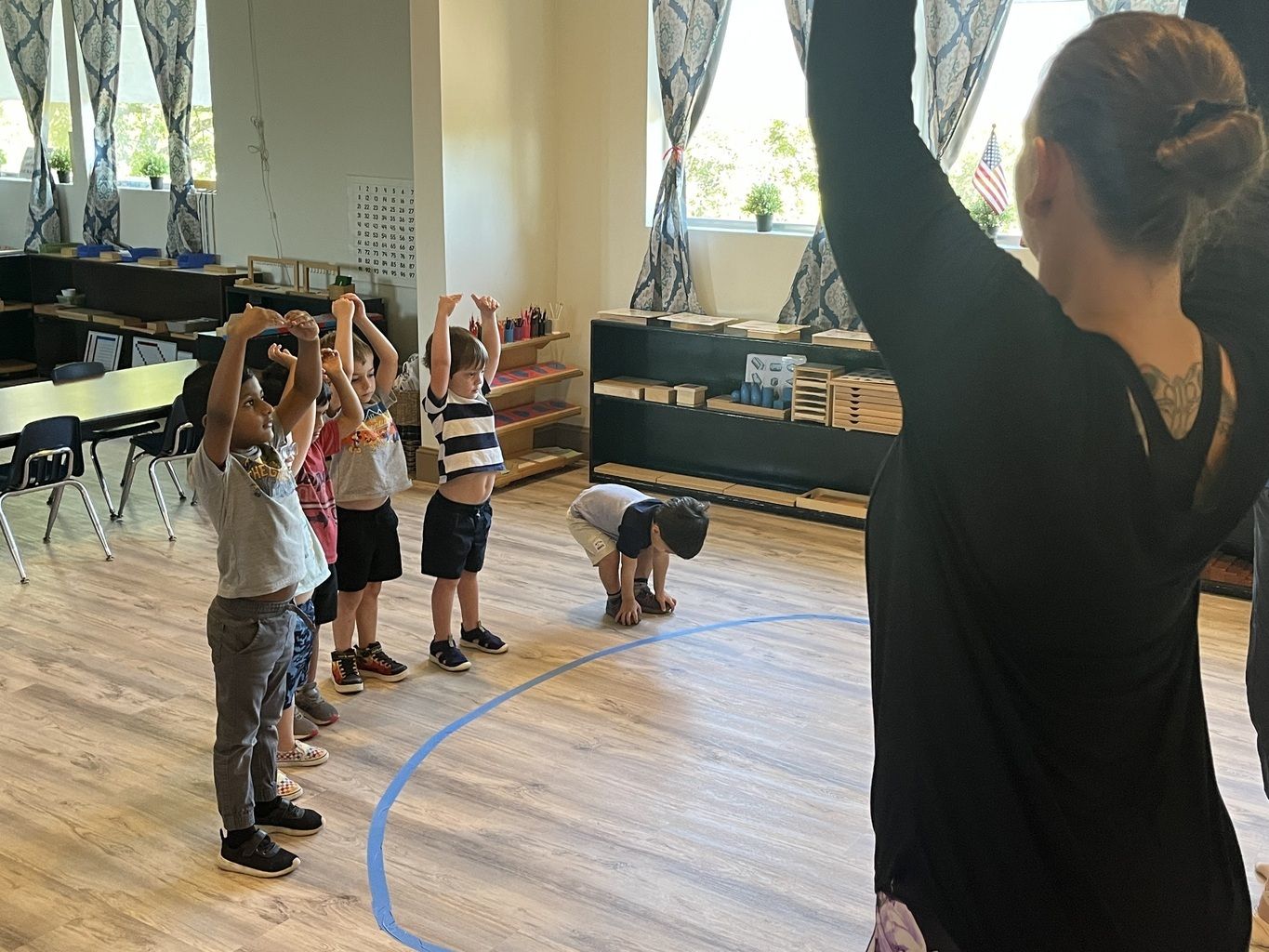
Unlike traditional models that separate children by single-year age gaps, Montessori environments thrive on multi-age groupings. We have operated this way for over a century because it beautifully mirrors real life and uniquely serves early development.


In a multi-age setting, the pressure of rigid milestones disappears. A child who needs a bit more time to master a concept can work alongside peers who are doing the same, without feeling isolated. Meanwhile, a child who is ready for a deeper challenge can naturally progress because the advanced materials are already present in the room.


Our younger children are surrounded by natural role models, inspiring them to learn new skills. Our older children gain immense confidence, empathy, and leadership skills as they display mastery by helping their younger peers.

Because children stay within the same environment for multi-year cycles, our guides, children, and families have the time to build deep, trusting relationships that form the foundation of a supportive community.


Teachers as Guides


In many traditional settings, the teacher is the central focus of the classroom, standing at the front to deliver information. In a Montessori environment, the focus shifts entirely to the child.


We believe the most impactful learning happens through self-discovery. Our role is to act as guides—observing each child closely and introducing the right material at the exact moment they are ready for it. We want to inspire children to ask questions and explore solutions, rather than simply memorizing pre-scripted answers.


While we follow a highly sophisticated and structured curriculum that ensures children cover core areas of language, mathematics, culture, and science, we do so by leading them to discover these concepts for themselves.


Individual Pacing


Learning is not linear. Every child develops in starts, stops, and beautiful plateaus. Because of this, whole-group lectures are rarely the best way to serve individual minds.


At Montessori Oaks, our systems are built from the ground up to support individual pacing. No child is forced to sit restlessly waiting for a group to catch up, and no child is left behind feeling rushed or unsupported. Each child unfolds according to their own natural timeline.


Continuous, Observational Assessment


We do not give grades or traditional tests at Montessori Oaks, but we keep meticulous, daily records of every child’s progress.


Traditional grades treat learning as a final destination with a fixed end point. In contrast, we view learning as a continuous journey. Our guides use scientific observation as their primary tool. By watching how a child interacts with a material in the moment, the guide can adjust their teaching strategies instantly to ensure the child truly understands the concept. Assessment for us is simply a way to review growth and map out the next step in the child's development.


A Profound Focus on Independence


We believe that even very young children are incredibly capable and eager to do far more for themselves than modern society typically expects.


Of course, independence is a journey. No child walks through our doors knowing how to navigate everything on day one. Our job is to provide the exact amount of scaffolding needed so they can achieve success on their own terms.

  • In the Toddler Environment: Children learn the joy of dressing themselves, preparing simple food, and hanging up their own coats.
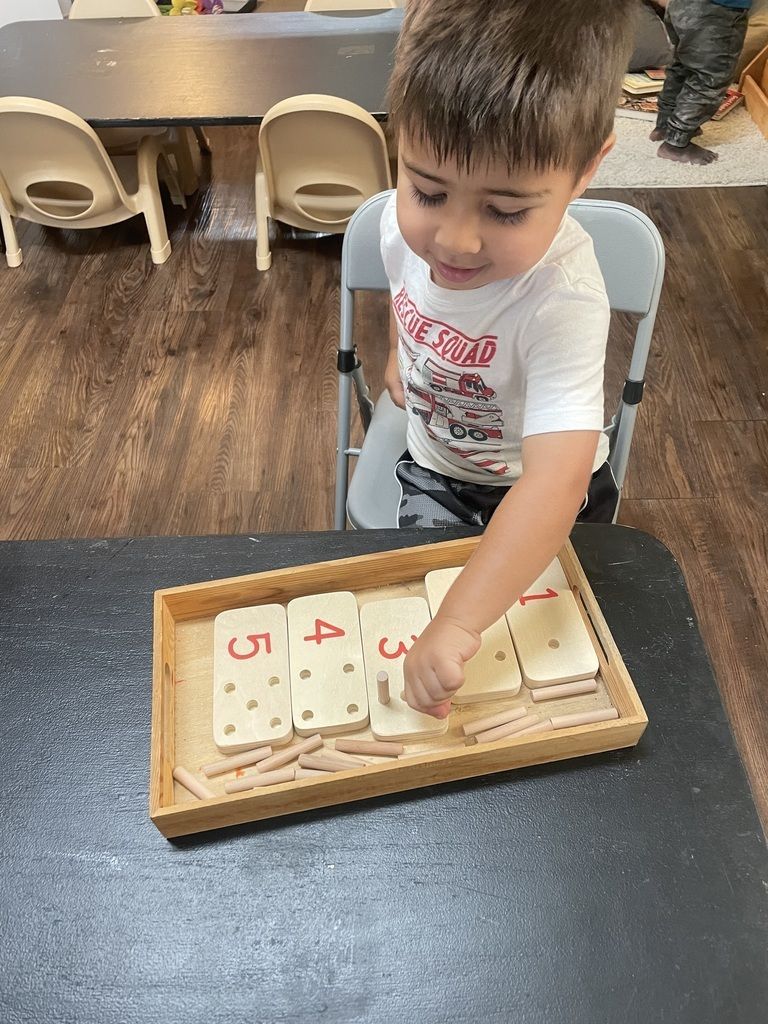
  • In the Primary Environment: Children learn to care for their physical space, pour liquids cleanly, master complex math materials, and resolve minor social conflicts with grace, courtesy, and kind words.


Developing Compassionate Citizens of the World


Ultimately, our goals at Montessori Oaks reach far beyond early academics. We want to nurture kind, creative, and passionate individuals who look at the world with a lifelong sense of wonder.


Through our daily focus on community, care for the environment, and peace education, children learn to respect one another, celebrate differences, and understand how all living things are beautifully interconnected. We are not just preparing children for the next school environment; we are supporting them as they grow into empathetic global citizens.


Are you curious to see how this beautiful balance of freedom and order works in practice? We invite you to reach out to our team at Montessori Oaks to learn more or to schedule an observation of our prepared environments.
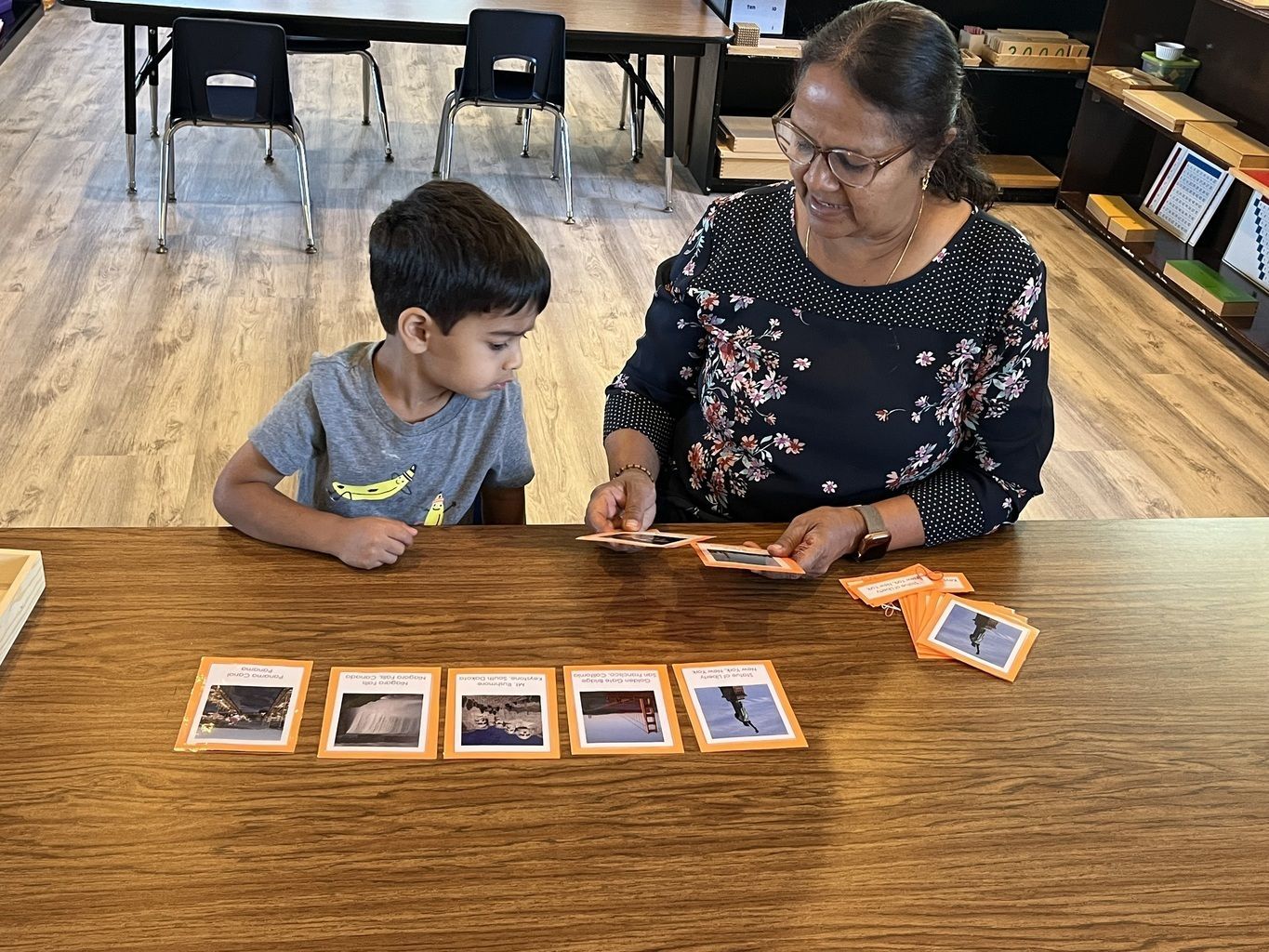
Child inspecting a wooden abacus at a table, reaching toward colorful beads in a classroom setting
July 20, 2026
Explore how a Montessori Oaks education fosters lifelong success by nurturing intrinsic motivation, deep curiosity, and innovative thinking in every child.
By Montessori Oaks July 15, 2026
5 Signs Your Toddler Is Ready for Montessori As parents, we all want to give our children the strongest possible foundation. The toddler years are an incredible period of growth—a time when children begin to discover their independence, express curiosity, and develop the skills that shape how they learn. Many parents wonder, "Is my toddler ready for Montessori?" The answer may surprise you. Montessori education was designed specifically to support young children during these important developmental years. Here are five signs your toddler may be ready to begin their Montessori journey. --- 1. Your Toddler Wants to Do Things Independently Have you heard phrases like: "I do it!" "Let me try!" "I can do it myself!" While these moments can sometimes require extra patience from parents, they are actually signs of incredible growth. Dr. Maria Montessori recognized that children have a natural desire to become independent. Montessori classrooms are designed to encourage this independence in healthy ways. Through practical life activities like pouring water, preparing snacks, cleaning, dressing, and caring for their environment, toddlers learn: ✓ Confidence ✓ Responsibility ✓ Problem-solving skills ✓ Self-control Every small accomplishment teaches children an important message: I am capable. --- 2. Your Toddler Is Curious About Everything Toddlers are natural scientists. They want to touch, explore, test, and understand the world around them. Questions, discoveries, and exploration are signs that your child's mind is actively growing. Montessori takes this natural curiosity and nurtures it through hands-on learning experiences. Instead of simply telling children how something works, Montessori allows them to discover through activities involving: Nature exploration Early math materials Art and creativity Science and sensory experiences When children enjoy the process of discovery, they develop something more valuable than memorized information—a lifelong love of learning. --- 3. Your Toddler Enjoys Hands-On Activities Young children learn best by doing. Before children can understand abstract concepts like numbers and letters, they need opportunities to see, touch, and experience learning. Montessori materials are designed to teach through movement and exploration. For example: - Building with blocks strengthens spatial awareness. - Sorting activities develop early math skills. - Pouring and transferring activities improve coordination. - Sandpaper letters prepare children for reading and writing. To adults, it may look like play. To children, it isd exploring brain development happening right before our eyes. --- 4. Your Toddler Is Learning to Focus Many parents are surprised by how deeply toddlers can concentrate when given the right environment. A Montessori classroom is intentionally designed to be calm, organized, and inviting. Children are given time to choose meaningful activities and work without unnecessary interruptions. Over time, children strengthen their ability to: ✓ Focus longer ✓ Complete tasks ✓ Be patient ✓ Overcome challenges These skills become the foundation for future academic success. --- 5. Your Toddler Is Ready for Social Growth The toddler years are when children begin learning how to interact with others, communicate feelings, and become part of a community. Montessori classrooms help children practice: - Sharing space respectfully - Using kind words - Helping classmates - Developing empathy Children are not just learning academics—they are learning how to become thoughtful, confident, and compassionate individuals. --- Is Montessori the Right Next Step for Your Toddler? If your toddler is showing independence, curiosity, a desire to explore, or excitement about learning, they may be ready to thrive in a Montessori environment. At Montessori Oaks, we believe every child is like a little acorn—filled with unlimited potential. With the right environment, patience, and guidance, they can grow into confident learners prepared for the future. The best way to understand Montessori is to experience it. See our classrooms in action. Schedule a tour at Montessori Oaks today and discover how your child's journey can begin.
Child exploring seashells in a tray with a green magnifier in a classroom setting
July 13, 2026
Discover how Montessori Oaks embraces Dr. Maria Montessori's vision of "living naturally" by fostering a deep, joyful connection to the outdoor world.
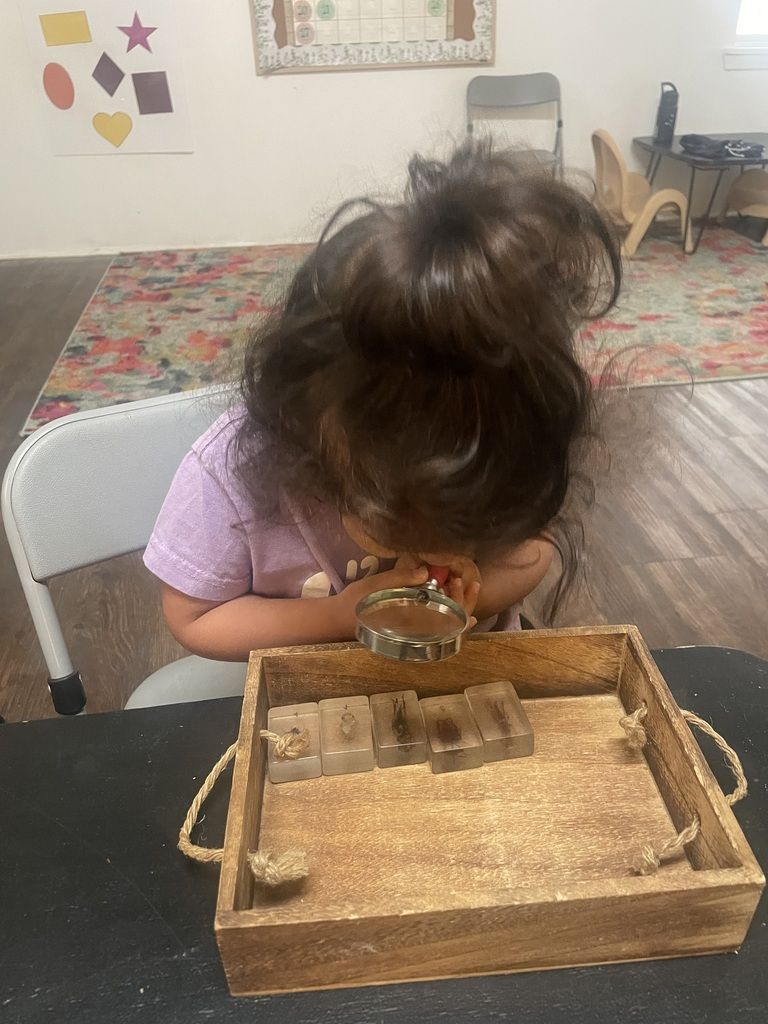
Child at a tray table, lowering a clear magnifying glass over small objects.
July 6, 2026
Discover how Montessori Oaks nurtures independence, joyful learning, and community through a child-centered approach that honors your child's unique pace.
By Montessori Oaks June 17, 2026
The Unique Benefits of Montessori Education for Young Learners Choosing the right preschool is one of the most important decisions a parent can make. The early years of a child's life lay the foundation for future academic success, confidence, and emotional well-being. While many preschool programs focus primarily on preparing children for kindergarten, Montessori education goes a step further—it prepares children for life. At Montessori Oaks, we believe children learn best when they are given the freedom to explore, discover, and develop at their own pace in a nurturing environment. Montessori Fosters Independence One of the most celebrated benefits of Montessori education is its focus on independence. From a young age, children are encouraged to make choices, solve problems, and take responsibility for their daily activities. Whether they are pouring water, preparing a snack, choosing their work, or caring for classroom materials, children develop confidence by learning, "I can do it myself." These small moments of independence add up over time, creating children who are capable, self-motivated, and confident in their abilities.  Montessori Develops Critical Thinking Skills In a Montessori classroom, children are not simply told the answers. Instead, they are encouraged to explore, experiment, and discover solutions on their own. Hands-on Montessori materials allow children to understand concepts through experience rather than memorization. They learn to ask questions, analyze information, and think critically about the world around them. These skills help children become lifelong learners who are curious, creative, and adaptable. Children Learn at Their Own Pace Every child develops differently. Some children are ready for reading at age four, while others need more time. Some excel in math, while others are fascinated by science, art, or language. Montessori education recognizes these differences and allows children to progress according to their individual readiness. Rather than feeling pressured to keep up with a group, children experience the joy of mastering skills when they are developmentally ready. This creates a positive relationship with learning that can last a lifetime. A Calm Environment Supports Learning Montessori classrooms are intentionally designed to be peaceful, organized, and engaging. Children are free to move, choose meaningful work, and focus without unnecessary distractions. This calm atmosphere helps children develop concentration, patience, and self-discipline. When children can focus deeply, they retain information more effectively and develop a stronger love for learning. Preparing Children for More Than Kindergarten Parents often ask if Montessori prepares children for kindergarten. The answer is yes—but Montessori also prepares children for much more. Montessori students develop: Independence Problem-solving skills Focus and concentration Communication skills Confidence Leadership abilities A love for learning These qualities benefit children not only in elementary school but throughout their entire lives. Experience the Montessori Difference The best way to understand Montessori education is to see it in action. At Montessori Oaks, our classrooms are filled with curious minds, hands-on learning experiences, and children who are excited to learn each day. We are committed to helping every child build a strong foundation for future success while nurturing their natural curiosity and love of learning. We invite you to visit Montessori Oaks and experience the difference for yourself. Schedule a Tour Today Come see how Montessori Oaks helps children become confident, independent, and lifelong learners. We would love to meet your family and show you why so many parents choose Montessori Oaks for their child's early education journey.
By Montessori Oaks May 5, 2026
Why Part-Time Montessori May Be the Best Decision You Make for Your Child Today’s parents are asking an important question: Is more technology in the classroom actually helping children learn? According to neuroscientist Dr. Jared Cooney Horvath , the answer may be no. His research highlights a concerning trend—many children today are struggling with focus, literacy, and deep learning , largely due to increased screen exposure and reduced hands-on engagement. This is why more families are turning to part-time Montessori programs as a powerful solution. The Problem: Too Much Screen Time, Not Enough Real Learning Dr. Horvath explains that children learn best through human interaction, repetition, and hands-on experiences—not passive screen consumption. In many traditional classrooms, children are: Switching tasks frequently Engaging with screens instead of materials Losing the ability to focus deeply Over time, this can impact attention span, comprehension, and confidence . The Solution: Part-Time Montessori A part-time Montessori program offers the perfect balance for modern families. Even just a few days per week in a Montessori environment can: Rebuild focus and attention span. Strengthen reading and language skills. Encourage independent thinking Reduce reliance on screens. Montessori classrooms are intentionally designed to be calm, hands-on, and distraction-free —exactly the kind of environment Dr. Horvath suggests children need. Why Part-Time Montessori Works Many parents assume children need full-time enrollment to benefit—but that’s not true. Part-time Montessori is highly effective because: Children engage in deep, uninterrupted work cycles. Learning is meaningful and memorable. Skills developed carry over into the home and other environments. Even limited exposure creates lasting improvements in how children: Approach learning Solve problems Stay focused A Smarter Start for Modern Kids In a world filled with distractions, giving your child time in a screen-free, hands-on learning environment is no longer a luxury—it’s essential. A part-time Montessori program provides: The benefits of structured learning The freedom of child-led exploration The brain development support children truly need Final Thought Dr. Horvath’s research makes one thing clear: Children don’t need more screens—they need more real learning experiences . And that’s exactly what Montessori provides. Whether full-time or part-time Montessori , giving your child access to this environment can make a lasting difference in their ability to focus, learn, and thrive .
By Montessori Oaks July 8, 2025
Why Staying in Montessori Preschool is the Best Choice for Your Child’s Early Years As your child approaches Pre-K age, you may be wondering: Should we continue Montessori or switch to public school? While public Pre-K programs can offer structured academics, keeping your child in their Montessori preschool provides unmatched developmental, emotional, and academic benefits—especially during these foundational years. 🧠 1. Consistency Builds Confidence Montessori education is designed for consistency, allowing children to remain in the same learning environment, with familiar teachers and peers, as they grow. This consistency fosters emotional security and enables children to assume leadership roles, particularly in their third year—something public Pre-K often lacks. 🎯 2. Individualized Learning vs. One-Size-Fits-All Public Pre-K often uses a standard curriculum with limited flexibility. In contrast, Montessori education tailors learning to each child’s pace, interests, and readiness. Children are not rushed through milestones—they're given the space to master concepts deeply and joyfully, especially in critical areas like math, reading, and problem-solving. 🧩 3. Hands-On Learning That Sticks Montessori students use beautifully designed materials that teach through touch, exploration, and repetition. This concrete learning approach leads to stronger understanding and retention—far more than traditional worksheets or passive instruction. 🌱 4. Development of Soft Skills & Independence While public Pre-K may focus on academics and classroom management, Montessori prioritizes life skills, emotional regulation, and independence. Your child is learning how to focus, clean up after themselves, prepare snacks, resolve conflicts, and choose purposeful work—all tools that serve them for life. ⏳ 5. Why Disrupt a Good Thing? Transitioning to a new school, new teacher, and new learning style right before Kindergarten can be jarring. Staying in Montessori provides a smooth and secure developmental path, leading to a more confident and well-prepared grade school Student. 💬 Final Thought: While public Pre-K may be free, the value of staying in Montessori is priceless. The long-term benefits of deep learning, emotional growth, and joy in discovery will serve your child far beyond preschool. Montessori Oaks is proud to support your child’s journey—at their pace, in a community that sees their greatness. 🌿
By Montessori Oaks January 29, 2025
The Benefits of Starting Montessori Education as Infants Choosing the right educational environment for your child is one of the most important decisions parents can make. For families seeking a nurturing, holistic approach to early learning, enrolling their child in a Montessori school as an infant offers unparalleled benefits. Montessori education, grounded in over a century of research and practice, is designed to support each child’s natural development from the very beginning. Here’s why starting early in Montessori matters. Building Independence from Day One Montessori programs for infants focus on fostering independence. Through carefully designed activities, babies develop basic motor skills to explore their environment and begin practicing self-care tasks, like holding a spoon or cleaning up toys. These experiences lay the foundation for a lifetime of confidence and self-reliance. Encouraging Cognitive and Social Development The first three years of life are critical for brain development, and Montessori’s hands-on, sensory-rich environments maximize this period of rapid growth. Infants can explore age-appropriate materials to encourage problem-solving, creativity, and language development. Additionally, being in a community with other children helps infants develop social skills like empathy, sharing, and cooperation at an early age. A Calm, Nurturing Environment Montessori classrooms for infants are designed to be calm, safe, and stimulating. Unlike daycare settings, Montessori environments promote focus, order, and security. With consistent routines and loving, attentive caregivers, infants feel supported during the transition from home to school. Developing a Love for Learning One of the benefits of starting Montessori as an infant is instilling a natural love for learning. Montessori education encourages curiosity and exploration by allowing children to choose activities that interest them. This creates positive early learning experiences, shaping their attitudes toward education as they grow. The Long-Term Impact Starting Montessori as an infant sets the stage for future success. Children develop essential skills like focus, independence, and resilience that serve them throughout their lives. Additionally, early exposure to Montessori’s child-centered philosophy helps create confident, capable learners who thrive in any environment. Conclusion The first years of life are foundational, and Montessori education recognizes the importance of supporting infants during this critical time. By starting early, children benefit from an environment that fosters independence, cognitive growth, and a love for learning. Choosing Montessori for your infant isn’t just an investment in their education—it’s an investment in their future. At Montessori Oaks, we’re committed to helping your little ones grow into confident, curious, and compassionate individuals. Begin their journey with us today! 🌟
By Montessori Oaks January 29, 2025
The body content of your post goes here. To edit this text, click on it and delete this default text and start typing your own or paste your own from a different source.
Show More