Defining Lifelong Success: The Impact of a Montessori Education
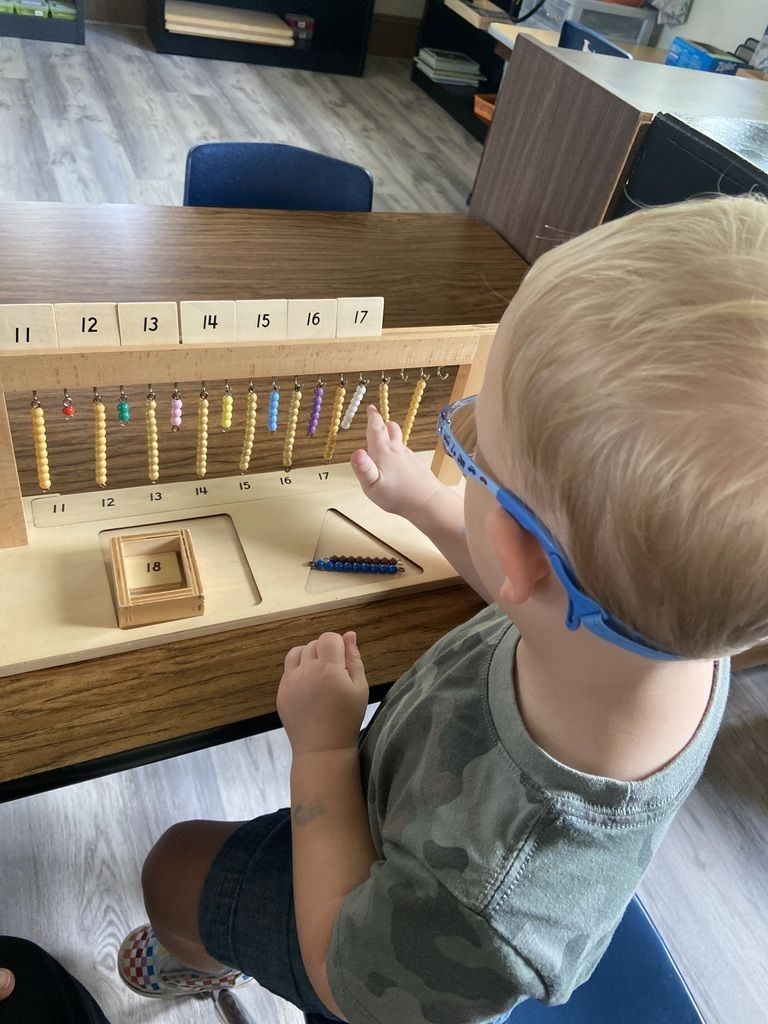
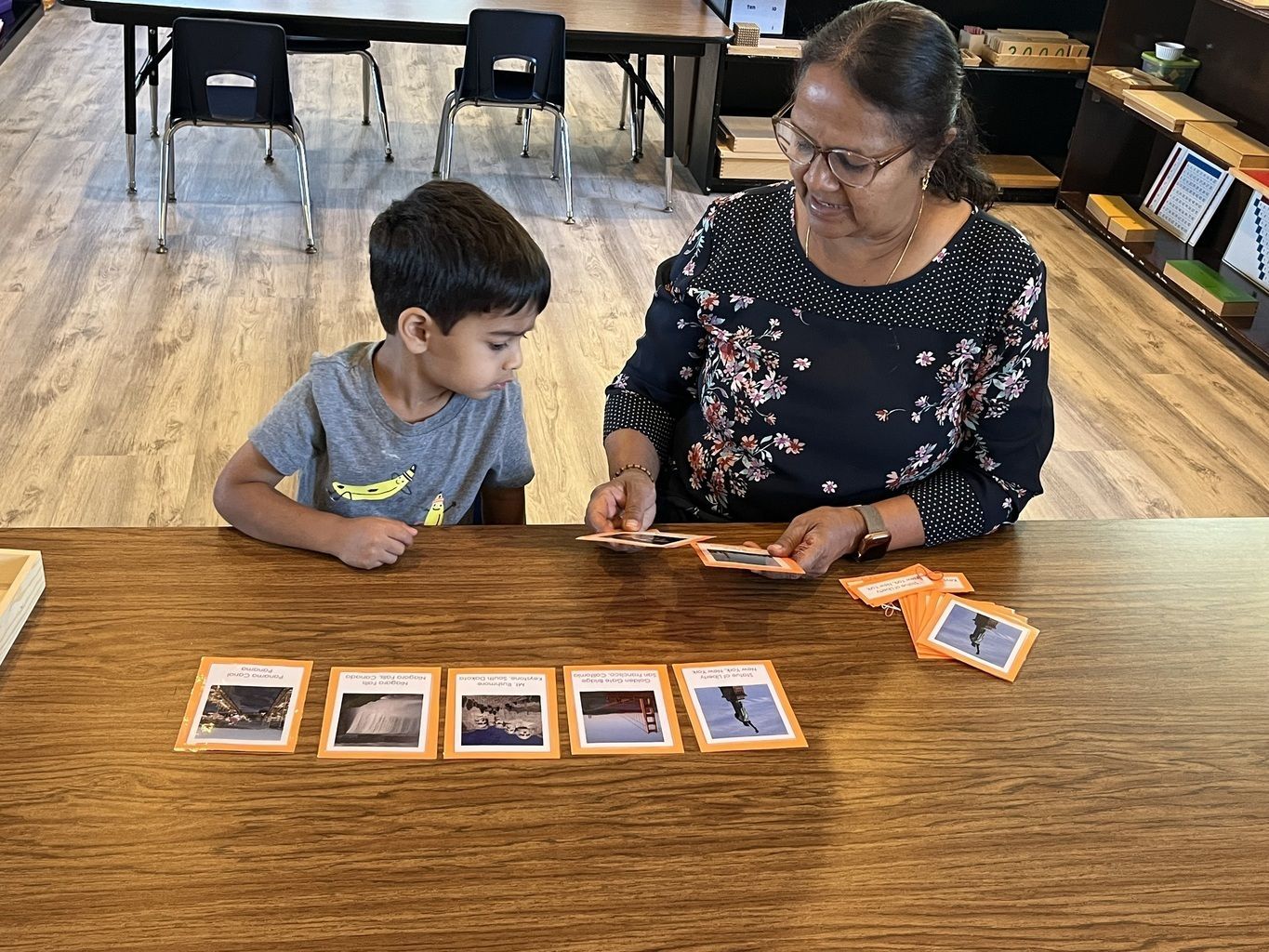
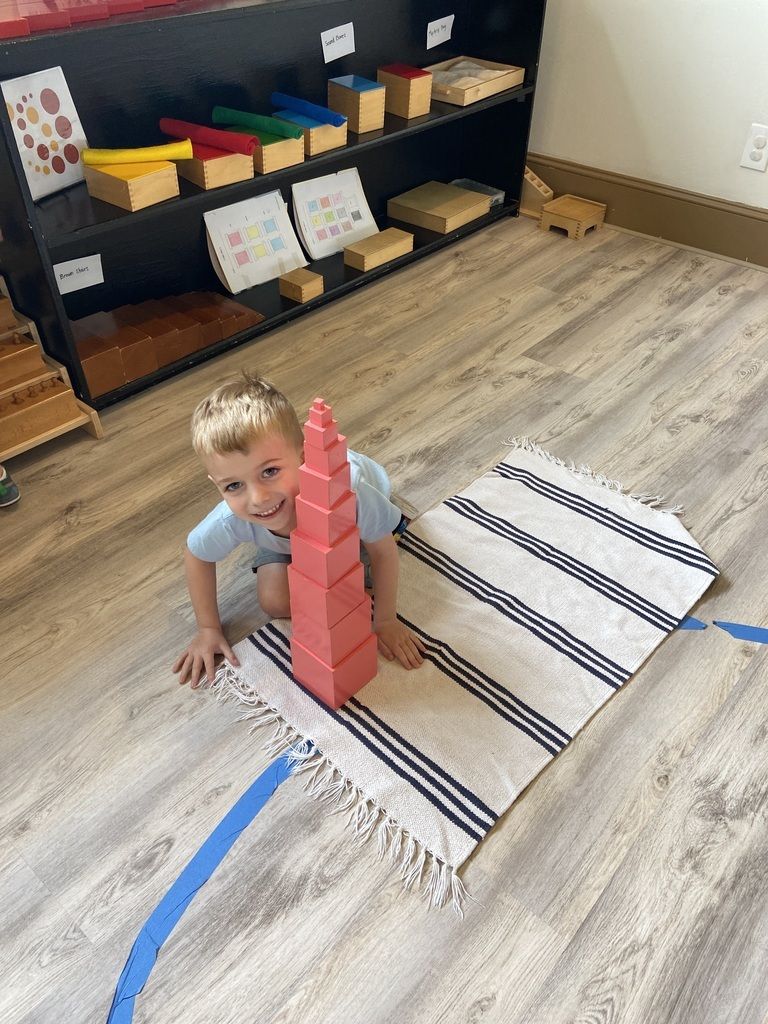
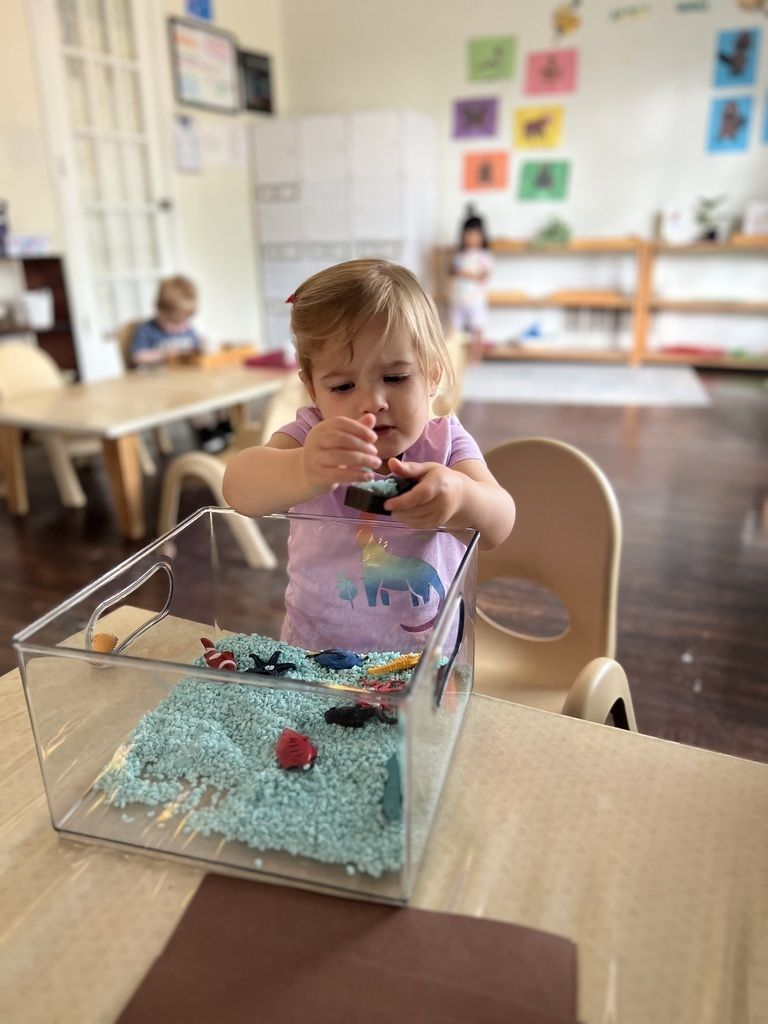
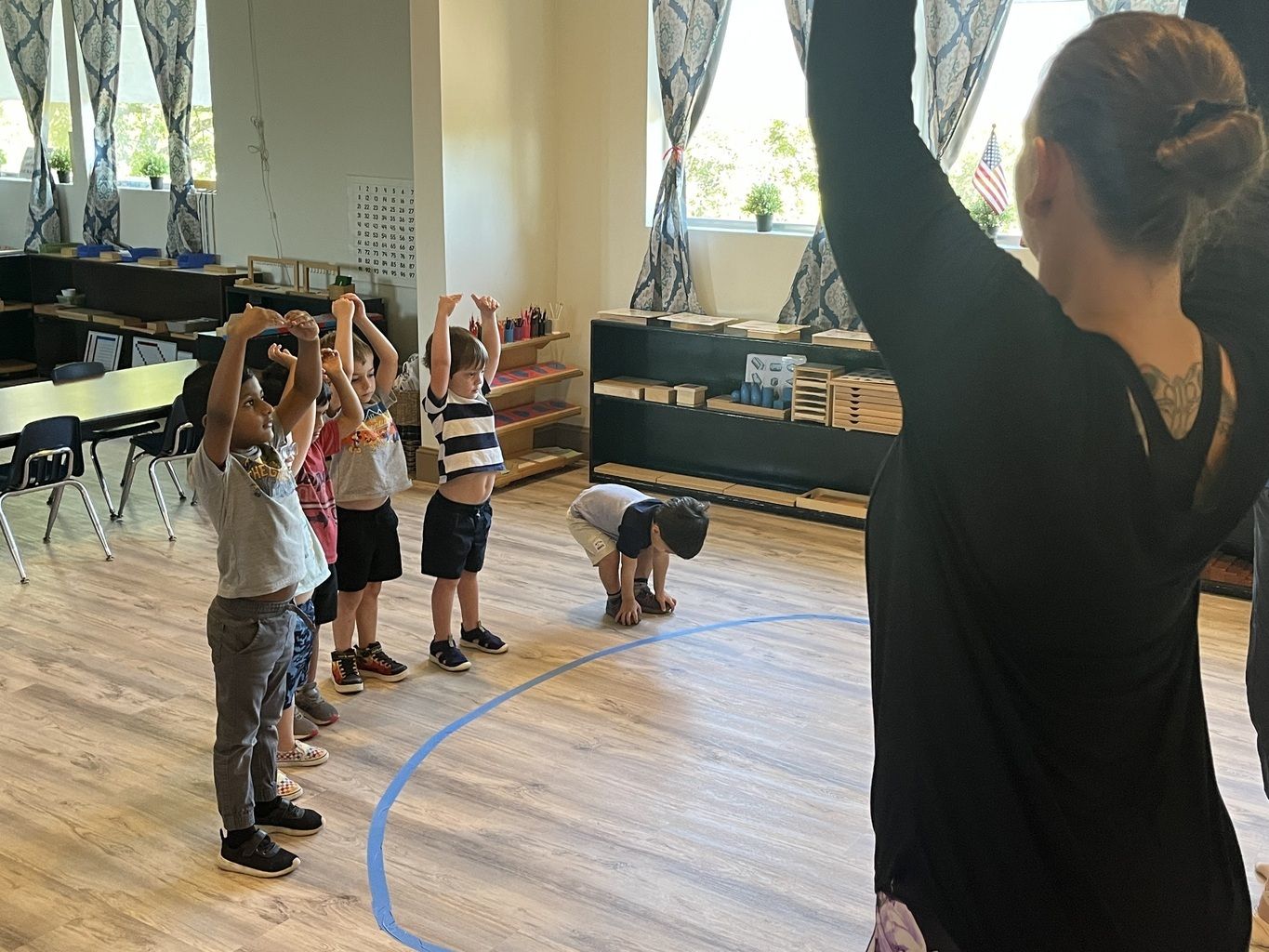
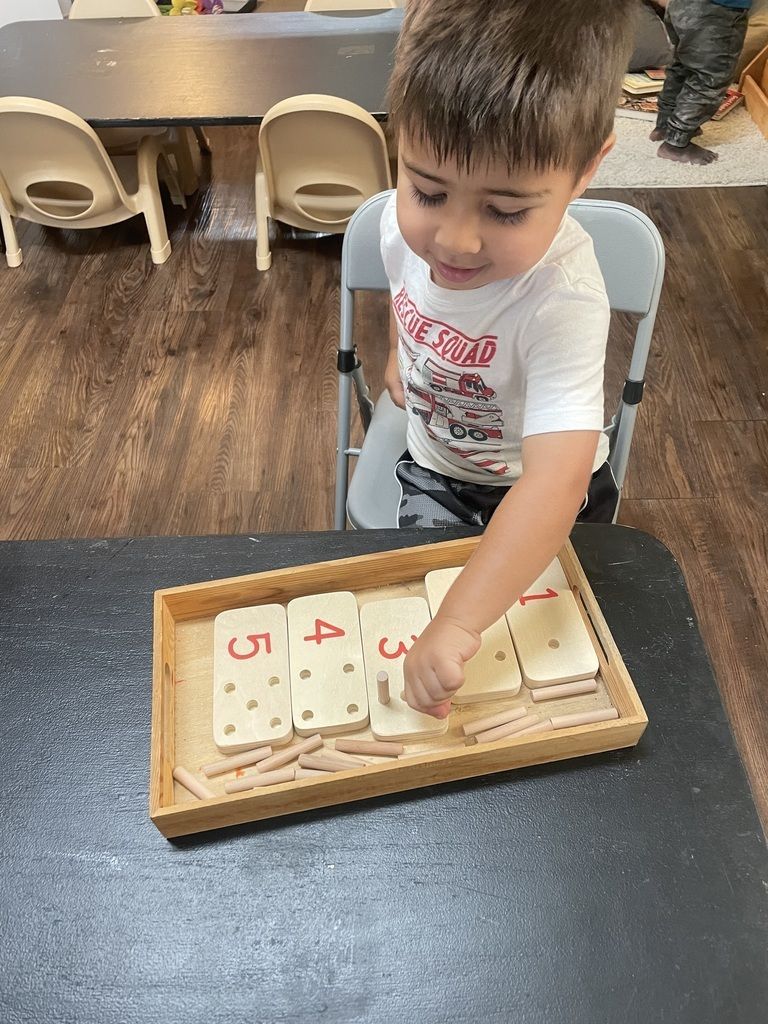
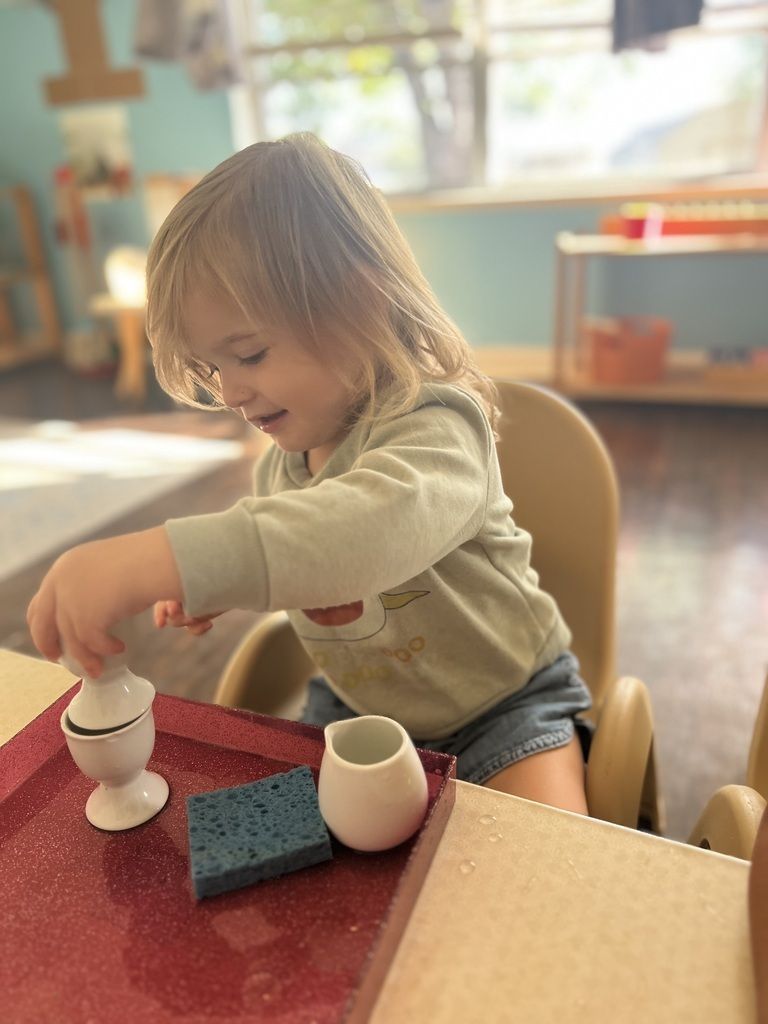
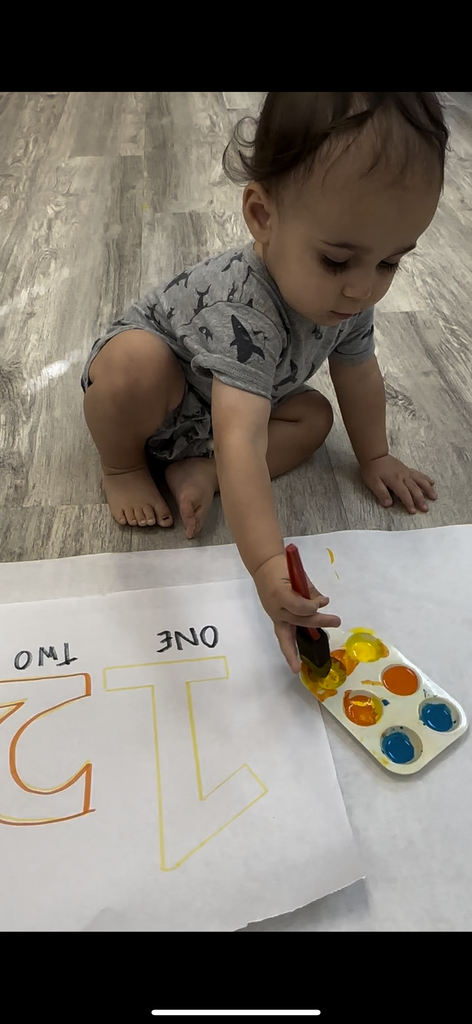
Many parents choose Montessori for their children because they value an approach that deeply respects them as unique individuals and natural learners. We love how the beautifully prepared environments, hands-on materials, and thoughtful lessons naturally align with a child's developmental timeline.
But a question often arises for families looking toward the future: How does a Montessori education shape a child in the long term?
In recent years, educational researchers and psychologists have been paying much closer attention to the measurable, positive outcomes of the Montessori method. For those who have experienced this philosophy firsthand, the results are beautifully predictable. If you are curious about the data, the Montessori Foundation's Research Hub offers a wonderful collection of current findings exploring these long-term benefits.
What Does it Mean to be "Successful"?
When we ask if a Montessori education helps children become successful later in life, it helps to first examine our definition of success.
Is success simply the ability to score well on standardized tests? Or is it something much deeper—the capacity for empathy, the drive to innovate, resilience in the face of challenges, and a strong sense of self?
Regardless of how you define the word, modern research indicates that Montessori environments foster foundational cognitive and social-emotional skills that give children a distinct advantage as they grow. By encouraging children to guide their own learning, they develop deep-seated intrinsic motivation rather than a reliance on external rewards or adult approval.
Thinkers, Creators, and Innovators
Many creative, innovative individuals who have shaped our modern world spent their formative early years in Montessori classrooms. When you look at their diverse achievements, a common thread emerges: a love for working with their hands, a fearless curiosity, and the confidence to look at the world a bit differently.
Here are just a few notable individuals who began their journeys in a Montessori environment:
- Larry Page & Sergey Brin (Co-founders of Google): Both have been incredibly vocal advocates for the method, attributing their success to the independent environment. Page once shared:
"I think it was part of that training of not following rules or orders, and being self-motivated, questioning what’s going on in the world, and doing things a little bit differently."
- Dr. Maya Angelou (Phenomenal Poet, Author, and Civil Rights Activist): Known for her profound impact on literature and human rights, her deeply empathetic worldview was nurtured in a Montessori primary classroom.
- Gabriel García Márquez (Nobel Laureate in Literature): The celebrated author beautifully noted: "I do not believe there is a method better than Montessori for making children sensitive to the beauties of the world and awakening their curiosity regarding the secrets of life."
- Julia Child (Beloved Chef and Author): The culinary icon credited her early Montessori schooling with teaching her to love working with her hands, fostering the joyous experimentation that defined her career.
- Will Wright (Pioneering Video Game Designer): The creator of groundbreaking simulation games like SimCity credits his early education with his approach to design, noting that when children discover complex theories on their own terms rather than having them lectured to them, what they learn sticks with them permanently.
- Anne Frank (Diarist and Symbol of Human Resilience): Her early years in a Montessori school in Amsterdam nurtured the sharp observational skills, deep empathy, and passionate love for writing that would eventually touch millions around the globe.
- Jeff Bezos (Founder of Amazon): Spent his earliest school years in a primary environment, where the freedom to choose focused, uninterrupted work laid the groundwork for a lifetime of forward-thinking enterprise.
Learning on Their Own Terms
The ultimate goal of a Montessori Oaks education isn't to build a specific career path, but to cultivate an adaptable, joyful mind. When children are allowed to discover how the world works through their own concentration and exploration, they learn to trust their capabilities. They don't just memorize information for a test; they truly absorb it.
Every child has the potential to make a meaningful, unique impact on their world. At Montessori Oaks, we are honored to protect and nurture that potential every single day.