The Crucial Role of Emotional Development and Mental Health in Preschool Education

Montessori Oaks • August 28, 2023

The Crucial Role of Emotional Development and Mental Health in Preschool Education
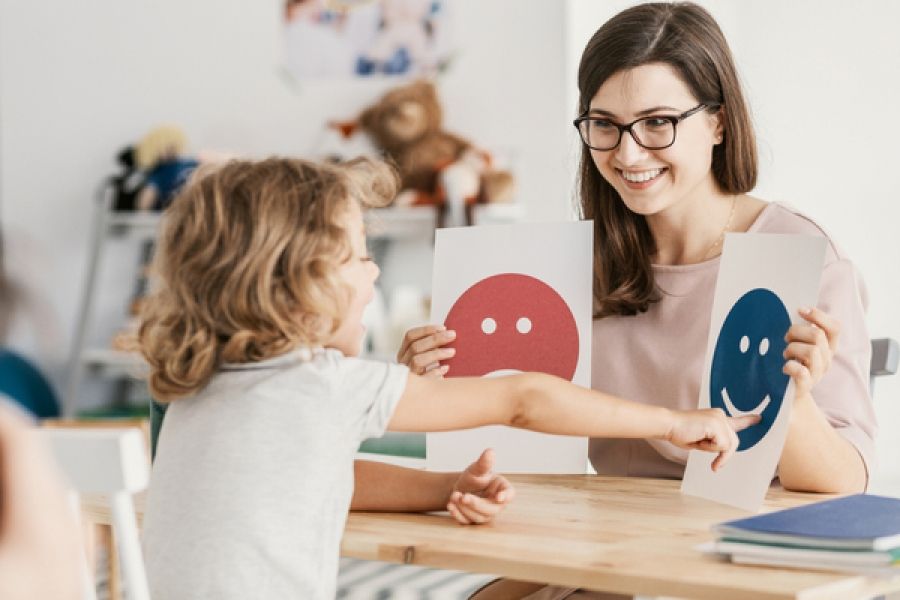
As parents, we strive to provide the best possible start for our children, and one vital aspect of their early years is emotional development and mental well-being. When looking for a preschool for our children, select a school that values academic growth, emotional intelligence, and mental health support. Let's examine why emotional development and mental health are vital in preschool education and how Montessori education stands as a beacon.


The Building Blocks of Emotional Intelligence:

Preschool years lay the foundation for emotional intelligence—the ability to recognize, understand, manage, and healthily express emotions. This skill set is crucial for future success in relationships, academics, and overall well-being. Preschools that integrate emotional development into their curriculum create an environment where children learn to identify and communicate their feelings. They also learn to navigate social interactions with empathy and kindness. In Montessori education, the emphasis on emotional development is profound. Through carefully curated activities, open dialogue, and supportive environments, Montessori schools create spaces where children can express themselves freely, learn to manage their emotions and develop empathy for others. These early experiences set the stage for a lifetime of emotional intelligence.


Mental Health in Early Childhood:

Just as we prioritize physical health, nurturing mental health from a young age is essential. Preschools that address mental health provide children with tools to cope with stress, anxiety, and other challenges they might encounter. These schools create spaces where children can express their feelings without judgment and learn strategies to manage difficult emotions.


Holistic Approach to Mental Health:

Mental health is a crucial aspect of childhood. Montessori education recognizes this and takes a holistic approach to mental health. The child-centered environment encourages a sense of agency, independence, and self-discovery. Students are empowered to make choices, solve problems, and explore their interests, fostering a sense of accomplishment and boosting self-esteem. Additionally, the multi-age classrooms promote social interactions, collaboration, and conflict resolution, teaching children vital skills for managing stress and developing resilience.


Montessori's Unique Offerings:

Montessori schools provide a range of tools and practices that directly contribute to emotional development and mental health:

  1. Mixed-Age Classrooms: Montessori classrooms typically span multiple age groups, fostering a community and offering mentorship and peer support. This dynamic environment encourages children to develop social skills, empathy, and emotional intelligence.
  2. Self-Directed Learning: Montessori education emphasizes self-directed learning, allowing children to choose activities that resonate with them. Choices foster a sense of autonomy, self-motivation, and a growth mindset, all components of good mental health.
  3. Peace Education: Montessori classrooms often incorporate peace education, teaching children conflict resolution, empathy, and the value of positive communication. These skills enhance emotional well-being and contribute to a harmonious classroom.
  4. Mindfulness and Respect: The Montessori philosophy emphasizes mindfulness and respect for oneself, others, and the environment. Such values promote a sense of belonging, self-awareness, and compassion, creating a nurturing atmosphere for emotional growth.


The Power of a Nurturing Start:

In an era where the demands on children are evolving, an emotional foundation and robust mental health are vital. Montessori education recognizes that every child's emotional journey is different and tailors its approach to cater to this individuality. By prioritizing emotional development and mental well-being from the earliest years, Montessori schools provide children with the tools to navigate life's complexities with resilience, empathy, and confidence.

At the heart of the Montessori approach lies the understanding that a child's well-being intertwines with their overall development. By choosing a Montessori education for your child, you are setting the stage for academic success and nurturing their emotional intelligence and mental health, preparing them for a future where emotional resilience is as vital as academic achievements.
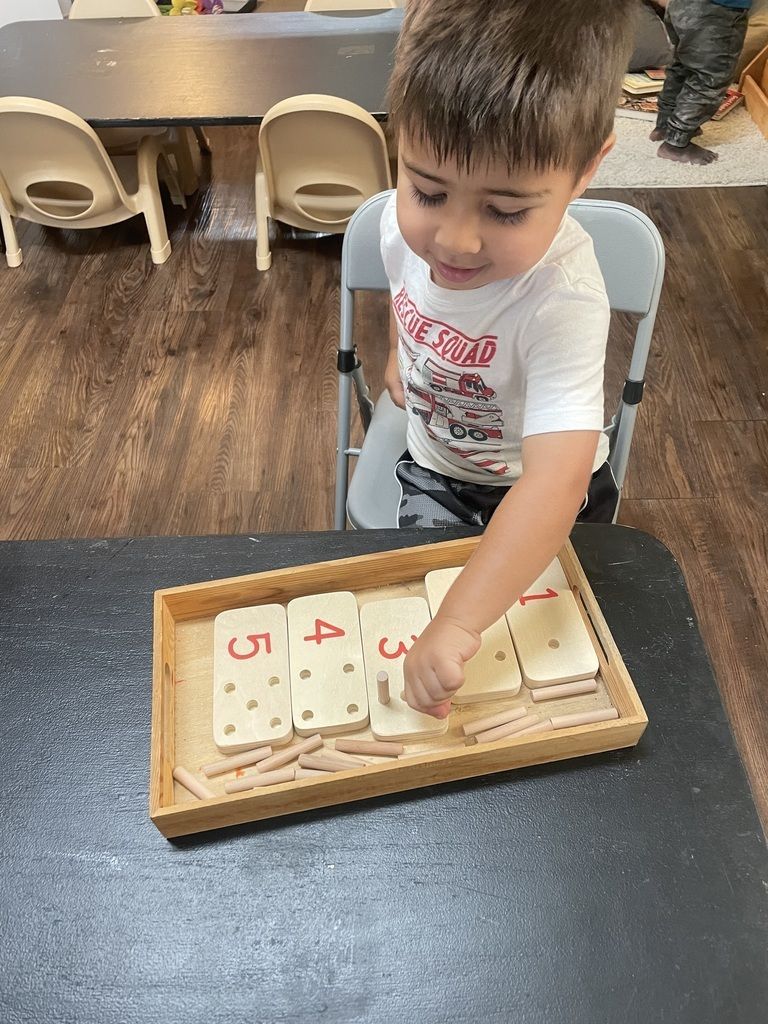

Boy playing with a wooden shape puzzle at a table in a classroom.
September 14, 2026
Parenting is a journey that requires emotional reserve. Learn practical ways to slow down, practice self-care, and bring a calm, grounded presence home.
Child playing with toy animals and sand in a white tray at a table indoors
September 7, 2026
Wondering what drives your child’s behavior? Explore how innate human tendencies shape how children learn, move, and connect—and how to support them at home.
Child playing with stacking toys at a red table in a sunlit classroom
August 31, 2026
Discover how Montessori Practical Life activities build confidence, motor skills, and genuine independence—plus simple ways to support real work at home.
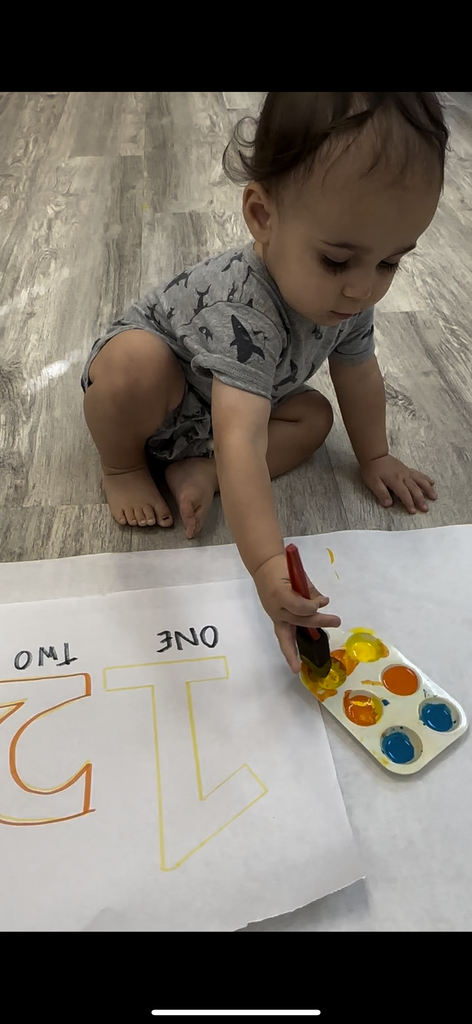
Toddler painting numbers on paper with watercolor set on a floor.
August 24, 2026
Learn how Montessori Oaks uses "materialized abstraction" and Color Tablets to build concentration, sensory refinement, and visual discrimination in young children.
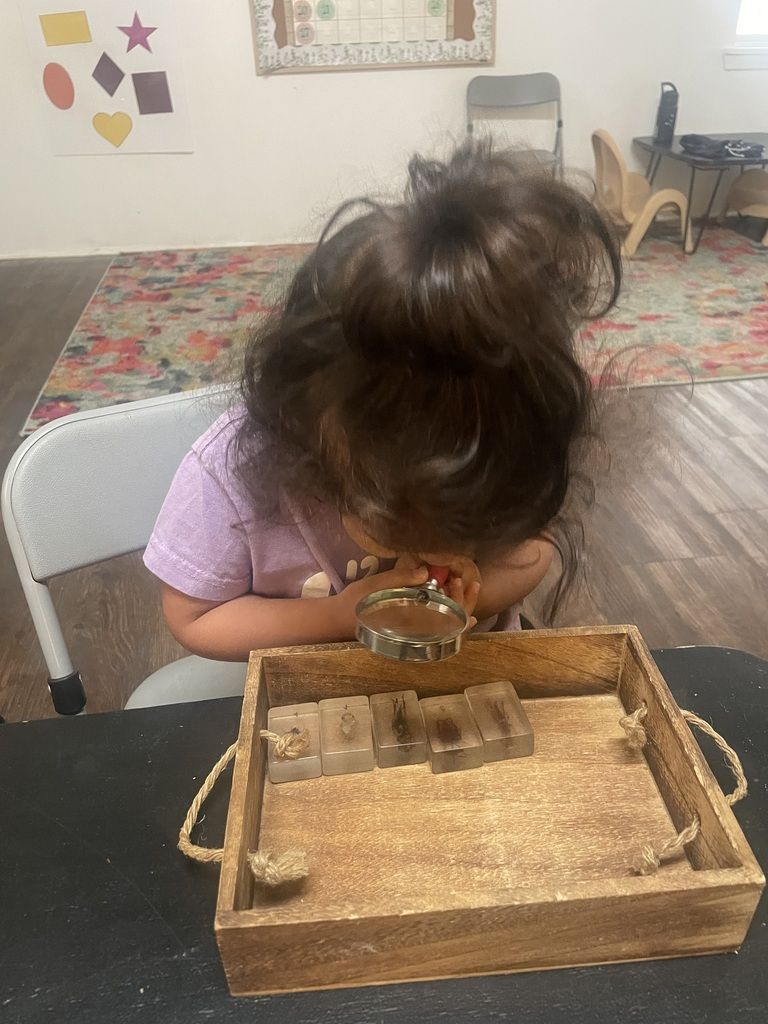
Child leaning over a wooden sensory bin, examining objects at a table in a classroom.
August 17, 2026
Learn how fostering your child’s developing will builds genuine self-discipline, resilience, and independence—both in the classroom and at home.
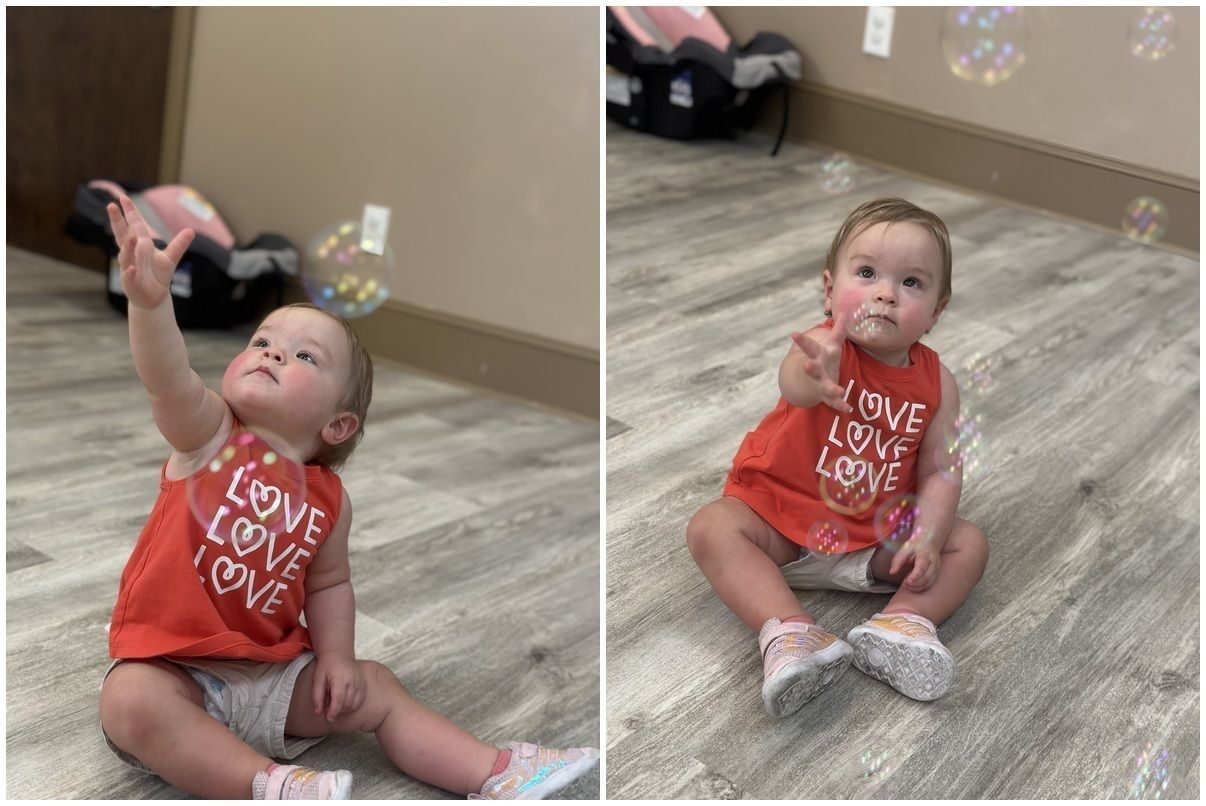
Child in red shirt sitting on the floor and reaching up to pop bubbles in a playroom.
August 10, 2026
Learn about the four main sensitive periods in early childhood and how Montessori environments meet your child’s natural developmental needs.
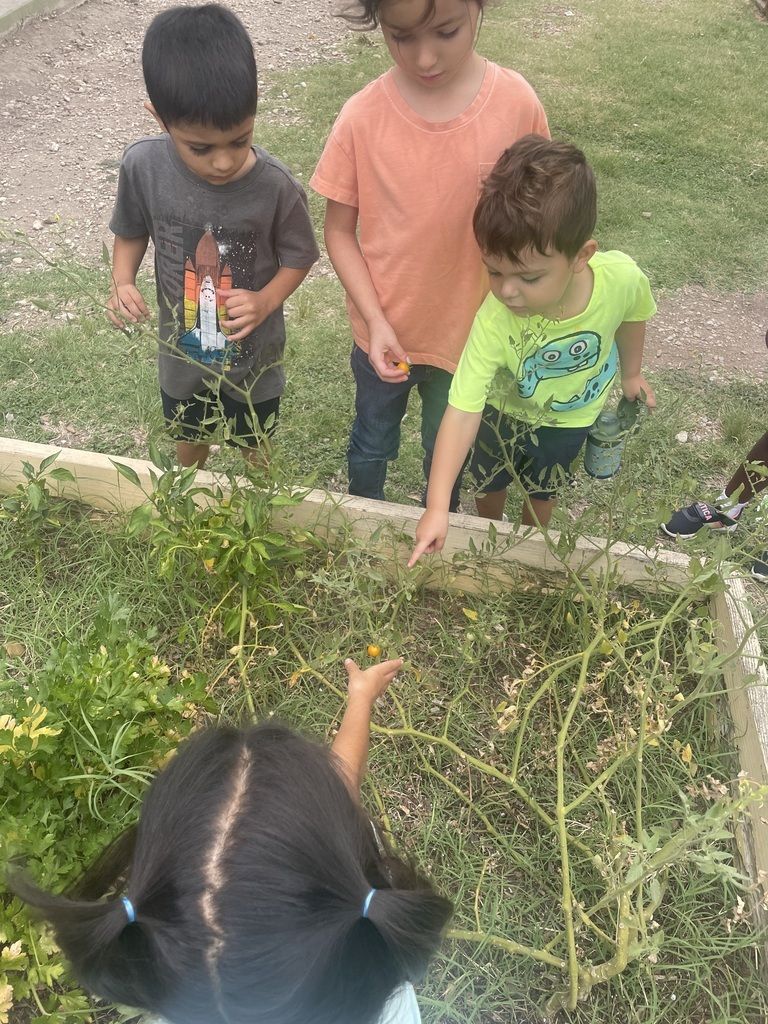
Three children stand around a garden bed, looking down at plants and weeds outdoors.
August 3, 2026
Explore how stepping back, offering empathy, and avoiding "interviewing for pain" helps children build lifelong social skills.
Adult and child looking at photo cards on a table in a classroom-like room
July 27, 2026
Step inside Montessori Oaks to discover how a thoughtful balance of freedom and order helps young children develop independence, confidence, and a lifelong love of learning.
Child inspecting a wooden abacus at a table, reaching toward colorful beads in a classroom setting
July 20, 2026
Explore how a Montessori Oaks education fosters lifelong success by nurturing intrinsic motivation, deep curiosity, and innovative thinking in every child.
By Montessori Oaks • July 15, 2026
5 Signs Your Toddler Is Ready for Montessori As parents, we all want to give our children the strongest possible foundation. The toddler years are an incredible period of growth—a time when children begin to discover their independence, express curiosity, and develop the skills that shape how they learn. Many parents wonder, "Is my toddler ready for Montessori?" The answer may surprise you. Montessori education was designed specifically to support young children during these important developmental years. Here are five signs your toddler may be ready to begin their Montessori journey. --- 1. Your Toddler Wants to Do Things Independently Have you heard phrases like: "I do it!" "Let me try!" "I can do it myself!" While these moments can sometimes require extra patience from parents, they are actually signs of incredible growth. Dr. Maria Montessori recognized that children have a natural desire to become independent. Montessori classrooms are designed to encourage this independence in healthy ways. Through practical life activities like pouring water, preparing snacks, cleaning, dressing, and caring for their environment, toddlers learn: ✓ Confidence ✓ Responsibility ✓ Problem-solving skills ✓ Self-control Every small accomplishment teaches children an important message: I am capable. --- 2. Your Toddler Is Curious About Everything Toddlers are natural scientists. They want to touch, explore, test, and understand the world around them. Questions, discoveries, and exploration are signs that your child's mind is actively growing. Montessori takes this natural curiosity and nurtures it through hands-on learning experiences. Instead of simply telling children how something works, Montessori allows them to discover through activities involving: Nature exploration Early math materials Art and creativity Science and sensory experiences When children enjoy the process of discovery, they develop something more valuable than memorized information—a lifelong love of learning. --- 3. Your Toddler Enjoys Hands-On Activities Young children learn best by doing. Before children can understand abstract concepts like numbers and letters, they need opportunities to see, touch, and experience learning. Montessori materials are designed to teach through movement and exploration. For example: - Building with blocks strengthens spatial awareness. - Sorting activities develop early math skills. - Pouring and transferring activities improve coordination. - Sandpaper letters prepare children for reading and writing. To adults, it may look like play. To children, it isd exploring brain development happening right before our eyes. --- 4. Your Toddler Is Learning to Focus Many parents are surprised by how deeply toddlers can concentrate when given the right environment. A Montessori classroom is intentionally designed to be calm, organized, and inviting. Children are given time to choose meaningful activities and work without unnecessary interruptions. Over time, children strengthen their ability to: ✓ Focus longer ✓ Complete tasks ✓ Be patient ✓ Overcome challenges These skills become the foundation for future academic success. --- 5. Your Toddler Is Ready for Social Growth The toddler years are when children begin learning how to interact with others, communicate feelings, and become part of a community. Montessori classrooms help children practice: - Sharing space respectfully - Using kind words - Helping classmates - Developing empathy Children are not just learning academics—they are learning how to become thoughtful, confident, and compassionate individuals. --- Is Montessori the Right Next Step for Your Toddler? If your toddler is showing independence, curiosity, a desire to explore, or excitement about learning, they may be ready to thrive in a Montessori environment. At Montessori Oaks, we believe every child is like a little acorn—filled with unlimited potential. With the right environment, patience, and guidance, they can grow into confident learners prepared for the future. The best way to understand Montessori is to experience it. See our classrooms in action. Schedule a tour at Montessori Oaks today and discover how your child's journey can begin.
Show More