Understanding the Absorbent Mind

Have you ever wondered how young children seem to learn without any conscious effort? One day, they are listening silently; the next, they are speaking full sentences, walking with confidence, or mimicking our exact gestures with astonishing precision.
Dr. Maria Montessori described this unique cognitive power as the Absorbent Mind—a mental state unique to children from birth to age six. Understanding this stage allows us, as parents and educators, to cultivate environments that support natural, joyful development.
The Absorbent Mind vs. The Adult Mind
The child's mind functions in a way that is fundamentally distinct from our own. While adults acquire knowledge through conscious effort—studying, repetition, and deliberate focus—young children absorb information directly from their surroundings, continuously and effortlessly.
To illustrate this difference, Dr. Montessori famously compared the adult mind to a painter and the young child's mind to a camera:
- The Adult Mind (The Painter): Chooses what to focus on, filters out extraneous details, judges, and interprets the scene before painting it.
- The Child's Mind (The Camera): Captures the entire scene in an instant. Every detail—whether harmonious or chaotic, spoken or unspoken—is recorded faithfully without judgment or discrimination.
"Adults admire their environment; they can remember it and think about it; but the child absorbs it. The things he sees are not just remembered; they form part of his soul. He incarnates in himself all in the world about him that his eyes see and his ears hear."
— Dr. Maria Montessori, The Absorbent Mind
Characteristics of the Absorbent Mind
The Absorbent Mind is a biologically timed phase. It is present at birth and naturally fades around age six. During this critical window, several key characteristics define how a child interacts with their world:
- Totality of Impressions: Children absorb not only words and actions, but also emotional tones, body language, cultural values, and the underlying atmosphere of their home or classroom.
- Lack of Discrimination: A young child cannot filter out negative or chaotic influences; everything in their immediate environment becomes part of their internal framework.
- Guided by Sensitive Periods: Special developmental windows draw the child irresistibly toward specific skills—such as language acquisition, physical coordination, order, and social grace.
- Effortless Adaptation: Through absorption, children naturally adapt to their specific time, place, and culture without requiring formal, structured instruction.
The Two Phases: Unconscious and Conscious
Dr. Montessori recognized that the Absorbent Mind unfolds in two distinct stages:
The Unconscious Absorbent Mind: Birth to 3 Years
• Creation of basic human faculties (speech, movement, thought)
• Guided by an internal "inner teacher"
• Absorbs impressions effortlessly through sensory exposure
The Conscious Absorbent Mind: 3 to 6 Years
• Categorization and organization of previously absorbed impressions
• Emergence of deliberate choice, order, and refined movement
• High interest in sensory materials, imitation, and independence
Supporting the Absorbent Mind at Home
Because young children absorb their environment so completely, the quality of what surrounds them matters deeply. Here are simple ways to support this natural process at home:
- Maintain Order and Predictability: Keep spaces tidy and routines consistent. External order helps the child construct internal mental order.
- Model Rich, Respectful Language: Speak clearly, use precise vocabulary, and maintain a calm tone. The language and tone you use become the child's inner voice.
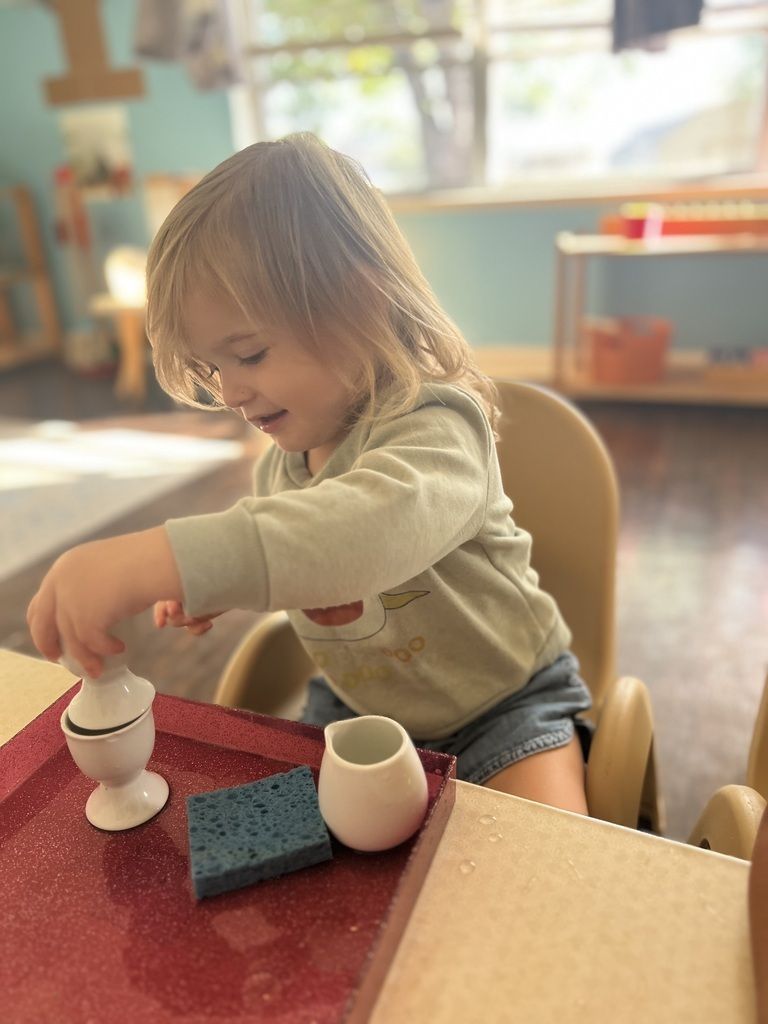
- Nurture Practical Independence: Offer child-sized tools and step back to allow children to pour their own water, dress themselves, and assist with real household work.
- Cultivate a Peaceful Atmosphere: Remember that children absorb emotional cues just as readily as spoken words. Patience, peace, and mutual respect form the true foundation of early learning.
Experience the Prepared Environment at Montessori Oaks
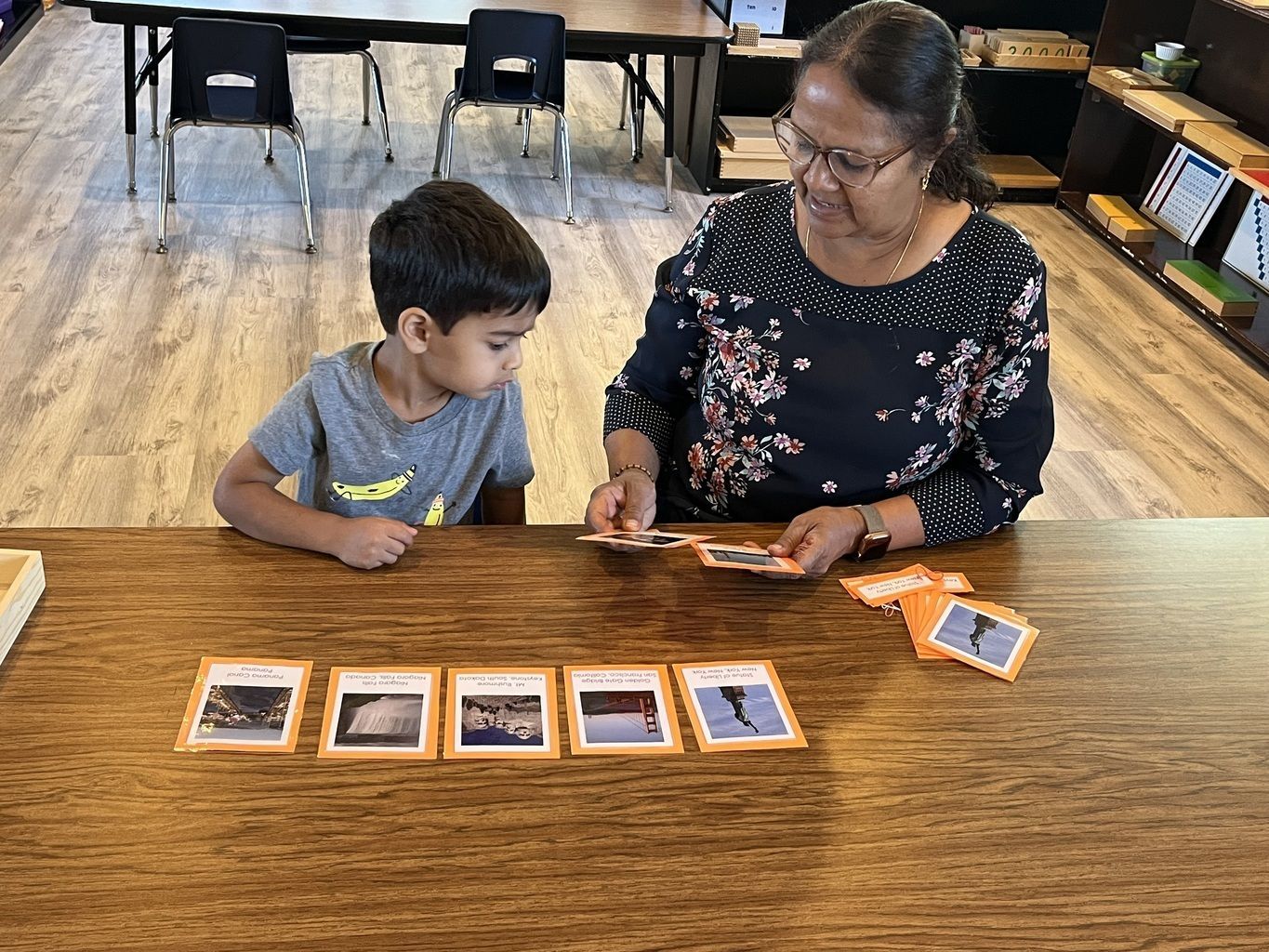
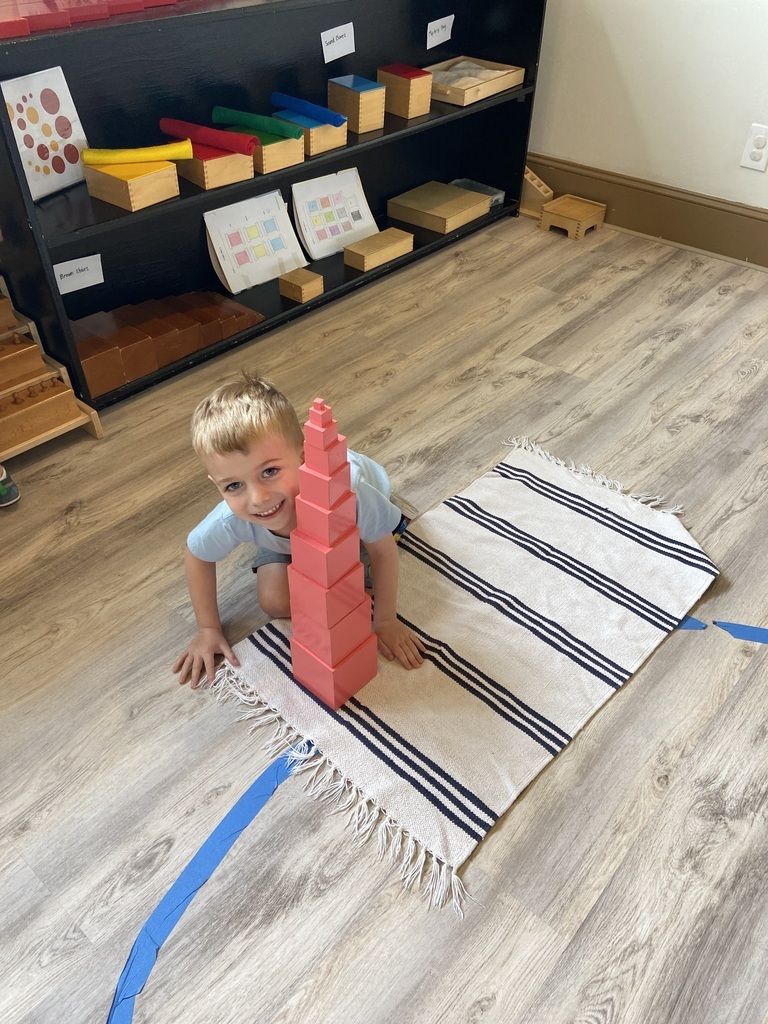
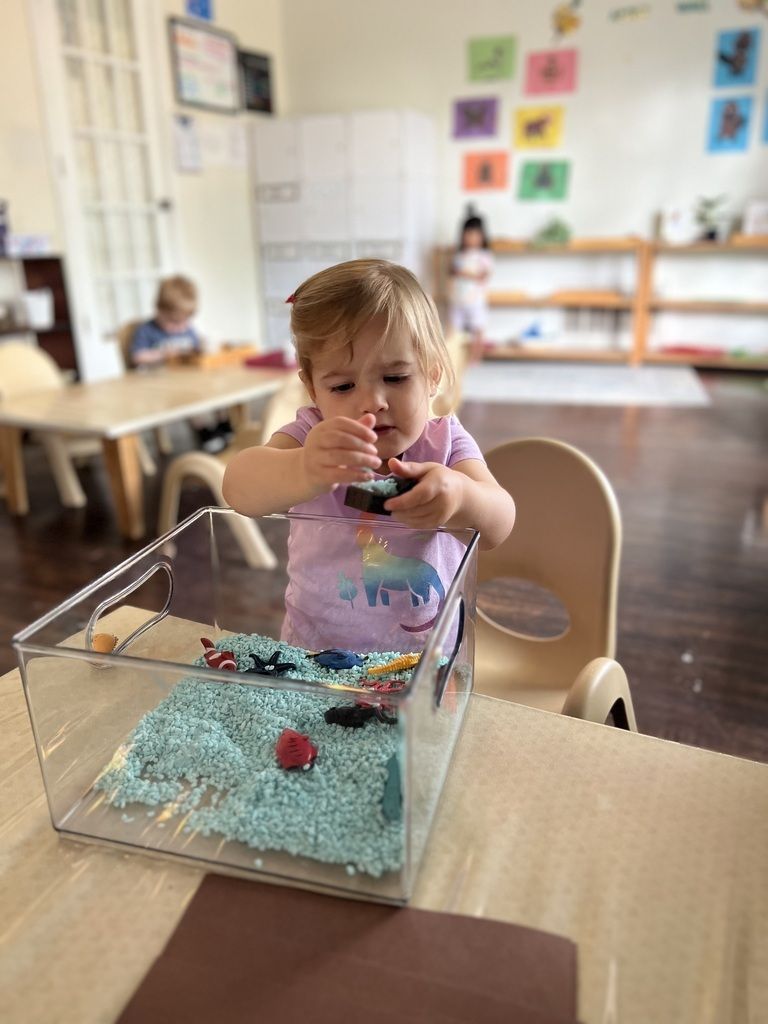
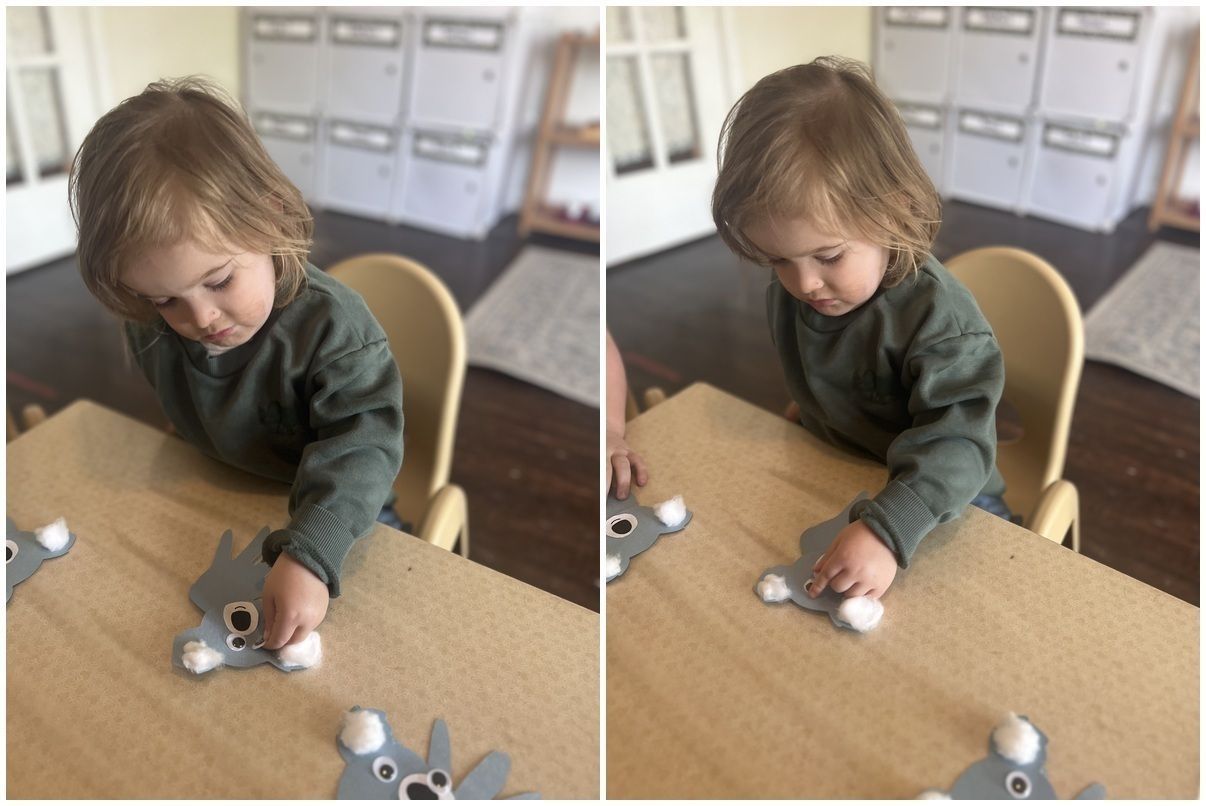
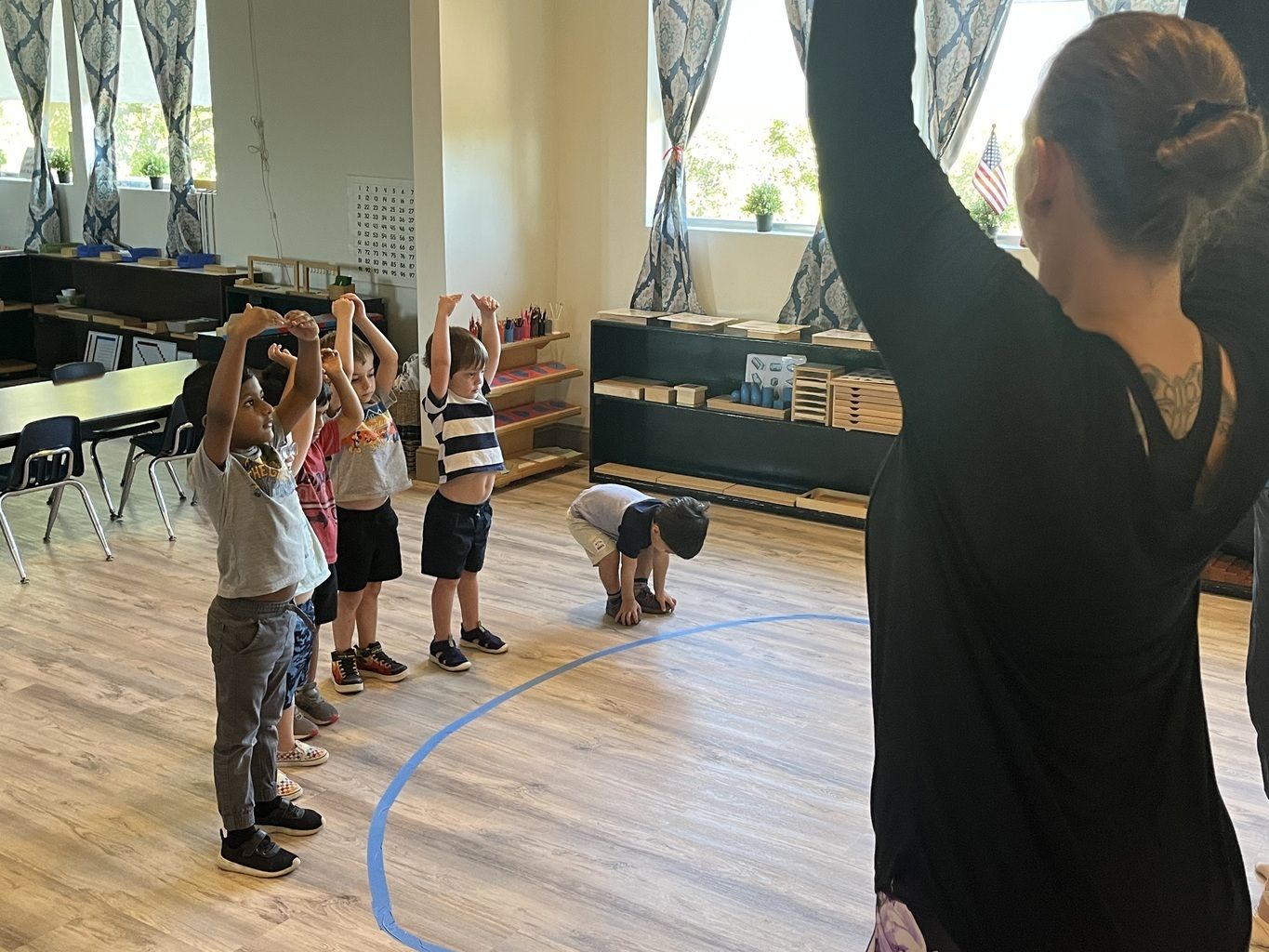
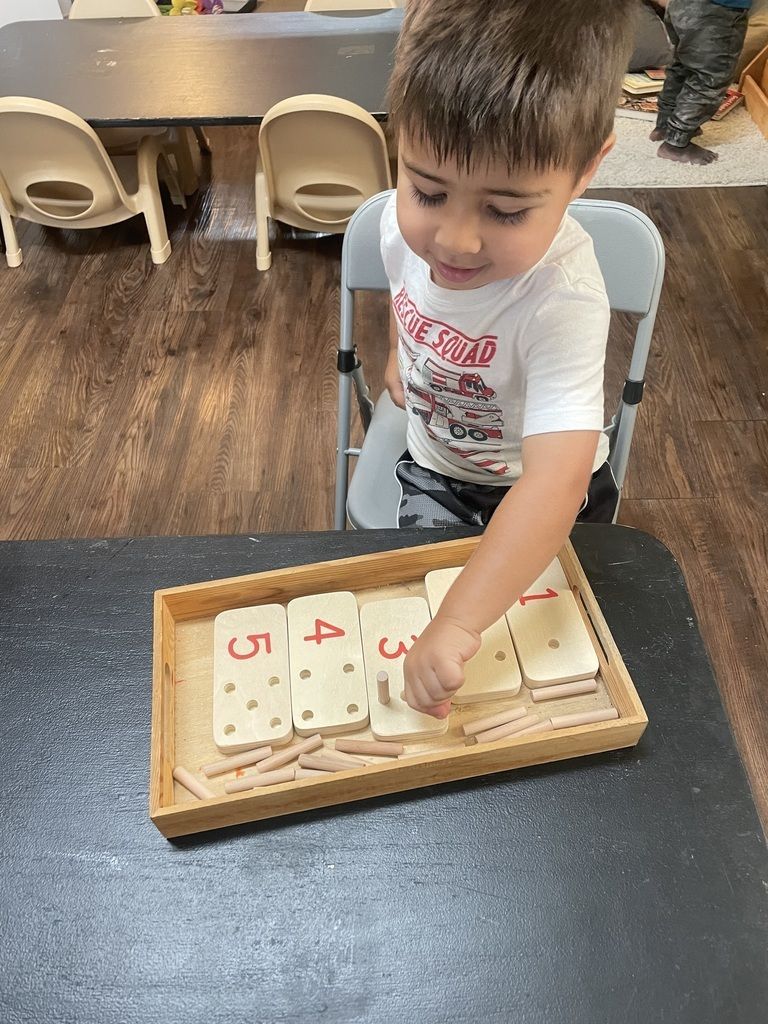
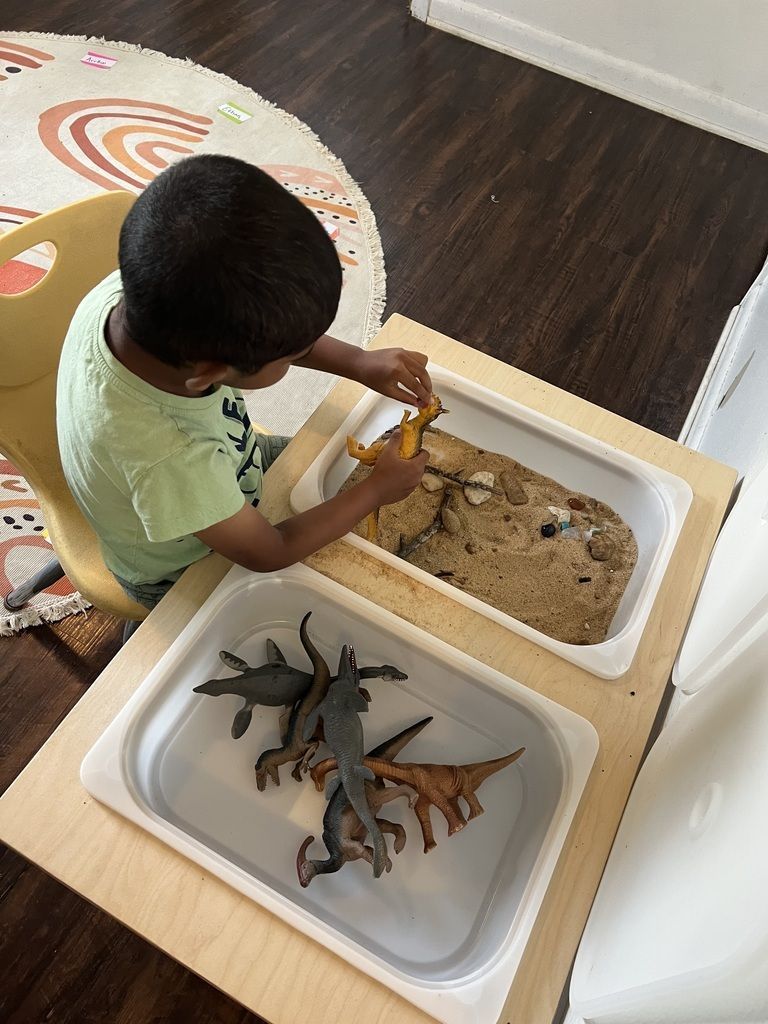
At Montessori Oaks, our classrooms are carefully designed to serve the unique nature of the Absorbent Mind. Every material, shelf, and interaction is intentionally prepared to offer rich, beautiful, and ordered impressions that help children build a strong foundation for life.
We invite you to
schedule a school tour to see our prepared environments in action!