Supporting Your Child’s Unique Journey: Infant & Toddler Milestones in Movement, Language, and Social-Emotional Growth
In Montessori education, we observe developmental milestones for infants and toddlers through three key, interconnected lenses: Movement, Language, and Social-Emotional Development.
While all children generally follow the same natural sequence of growth, each child unfolds at their own individual pace. The timing varies—and that is completely normal.
Understanding these milestones helps us prepare our environments, remove obstacles to independence, and offer gentle, respectful support as our youngest children grow into confident, capable individuals.
1. Movement Milestones: Making Sense of the World
Physically, infants and toddlers experience rapid, profound transformation. During these first three years, the child possesses what Dr. Maria Montessori called the "unconscious absorbent mind"—absorbing every detail of their physical environment, culture, and daily life through touch, movement, and the senses.
Physical development focuses primarily on three areas: myelination, equilibrium, and hand development.
Myelination
Newborn movements begin as instinctual reflexes (such as grasping or sucking). As myelination occurs—a process where a protective sheath coats nerve fibers—electrical signals pass rapidly from the brain to the muscles, allowing reflexive movement to transform into deliberate control.
- How to Support at Home: Provide freedom of movement. Keep time in restrictive gear (like bouncy seats, carriers, or car seats outside the vehicle) to a minimum. Allow infants time on a simple floor mat or movement area where they can reach, turn, stretch, and safely struggle on their own.
Equilibrium (Gross Motor)
Gross motor development builds a child's balance and spatial awareness. Babies begin by lifting their heads, rolling, and sitting upright. Tummy time plays a crucial role early on by strengthening neck, back, and core muscles.
- 12 to 18 Months: Most children begin walking independently and delight in carrying meaningful objects ("maximum effort").
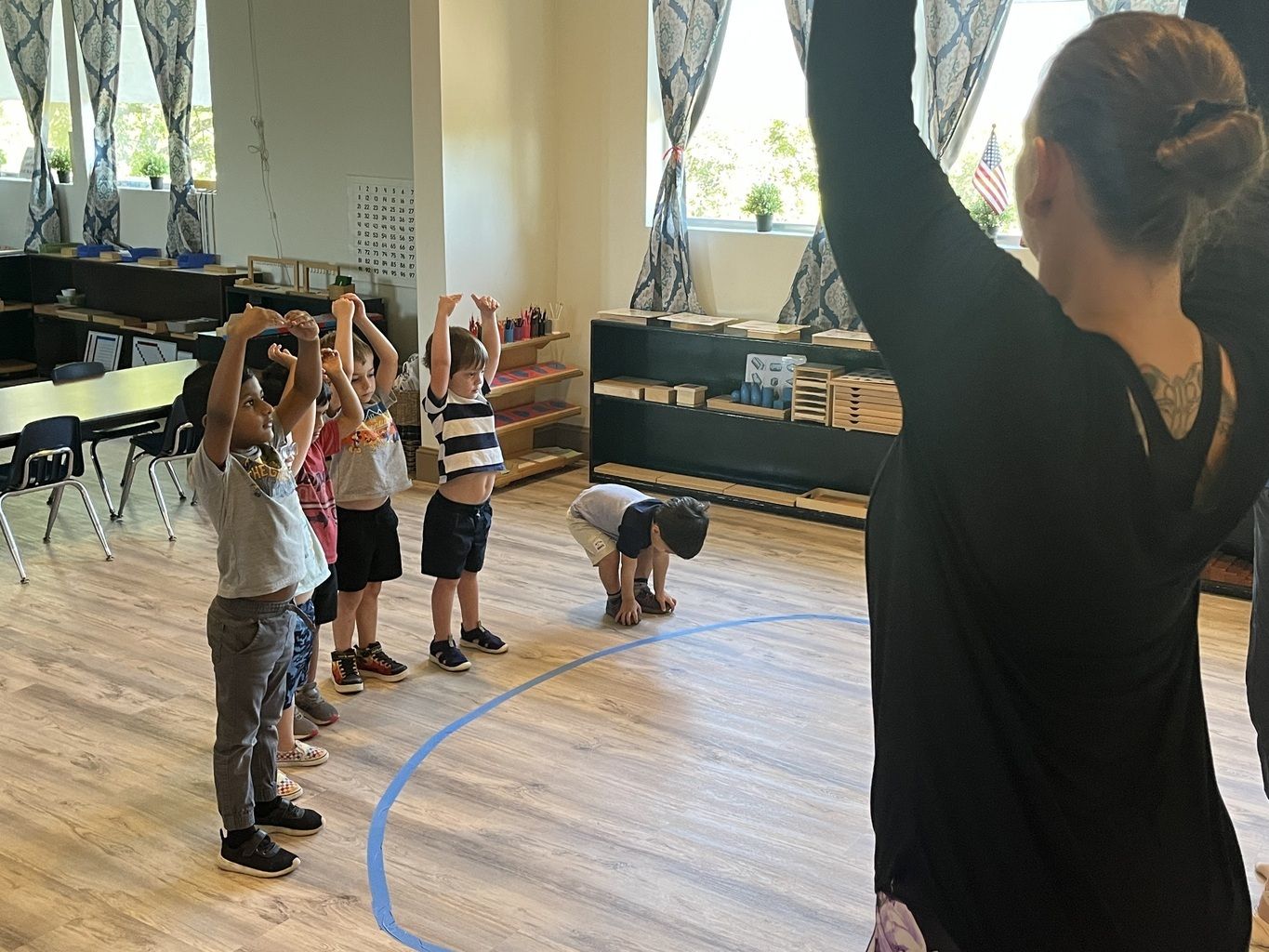
- 18 Months to 3 Years: Children refine their coordination through running, climbing, balancing, and jumping.
Hand Development (Fine Motor)
The hand is the primary tool of the brain. What begins as a whole-hand raking grasp evolves into a refined pincer grasp (using the index finger and thumb) around nine months.
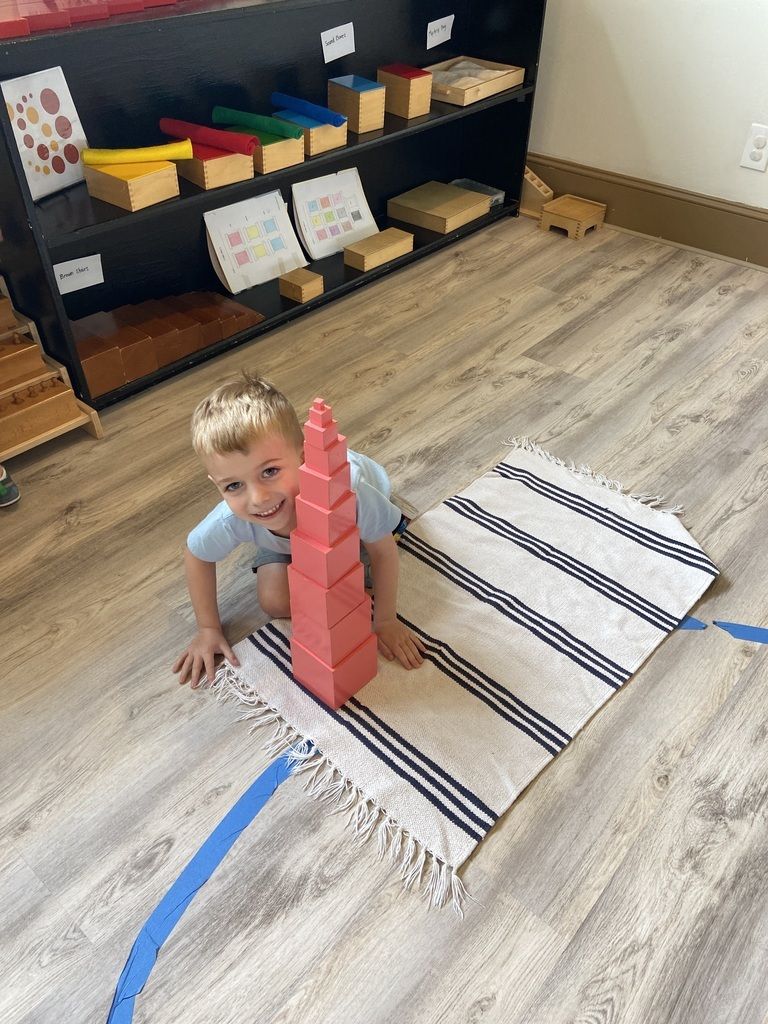
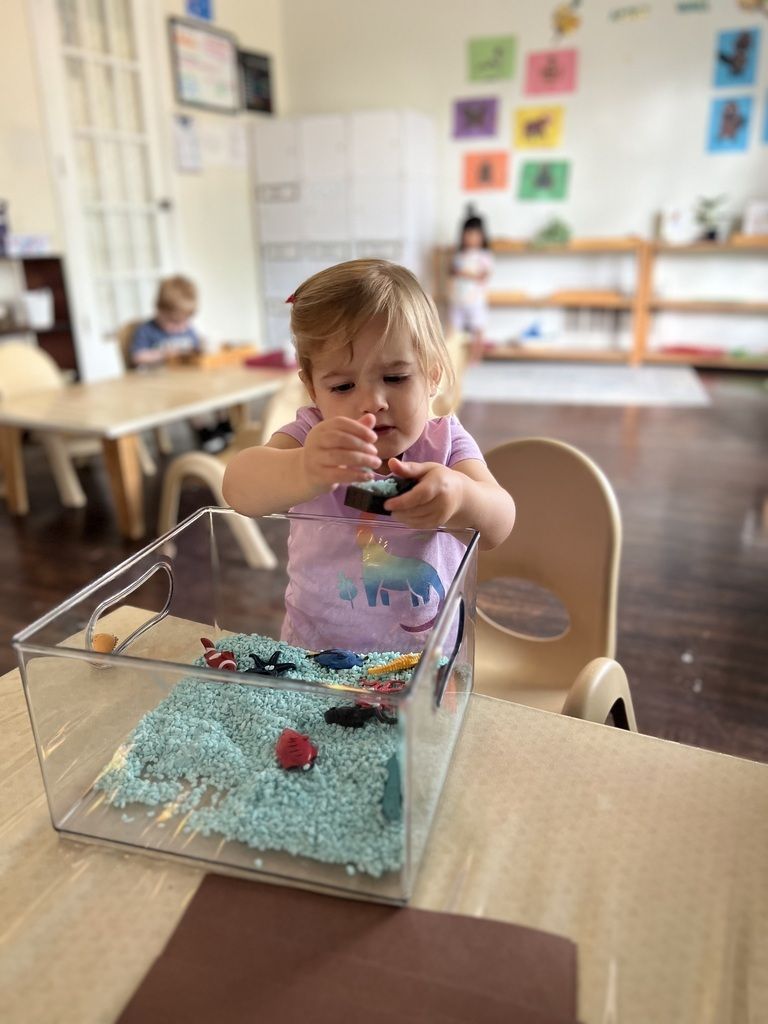
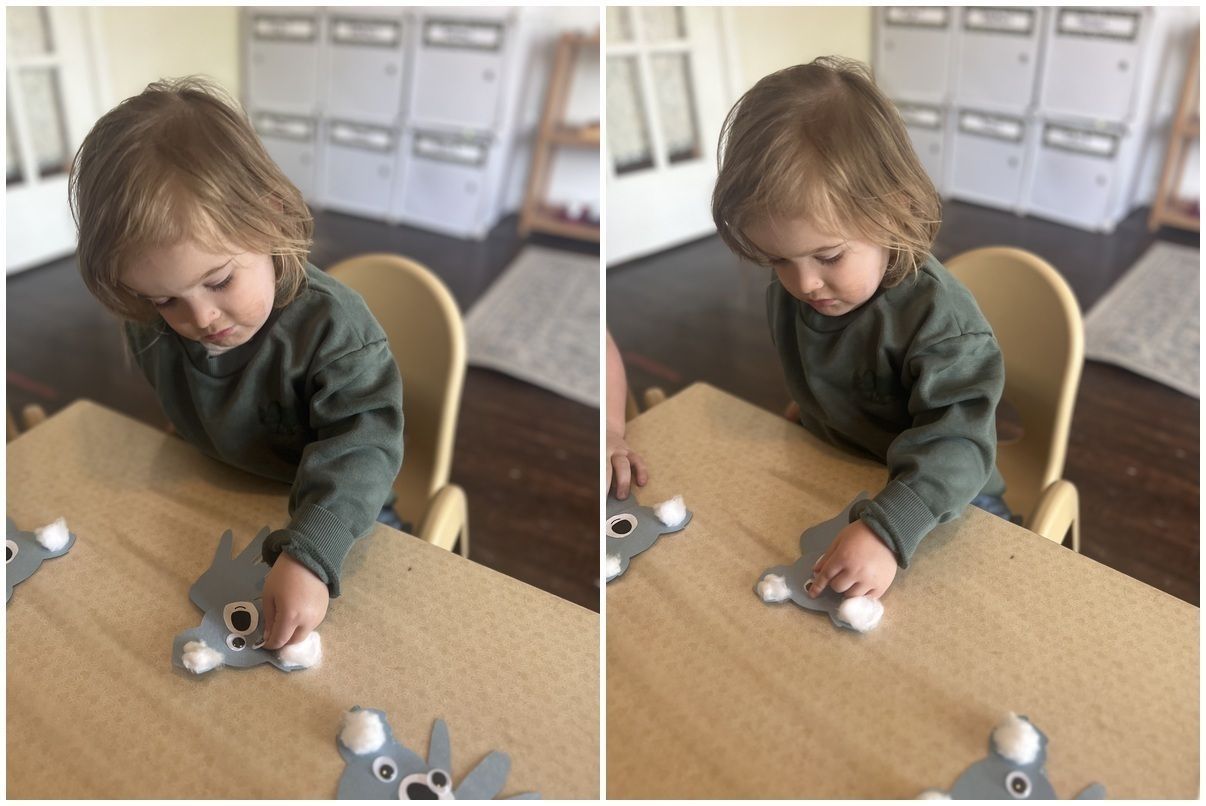
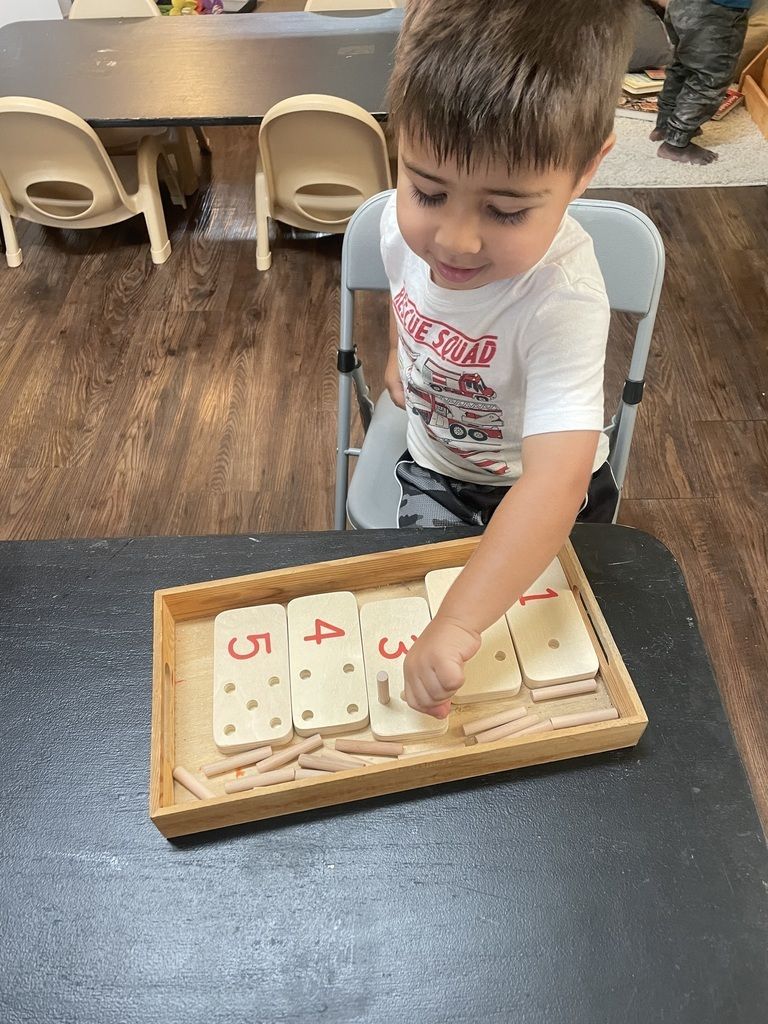
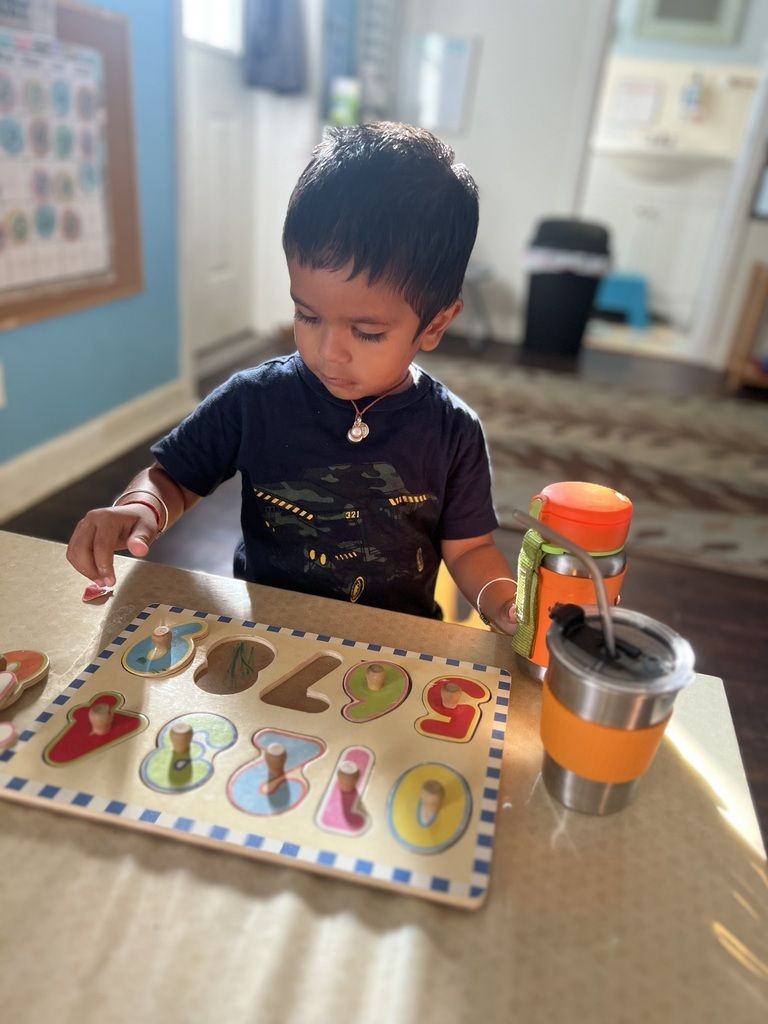
- 10 to 18 Months: Children gain precise finger control, learning to point, stack wooden blocks, turn pages, and mark on paper.
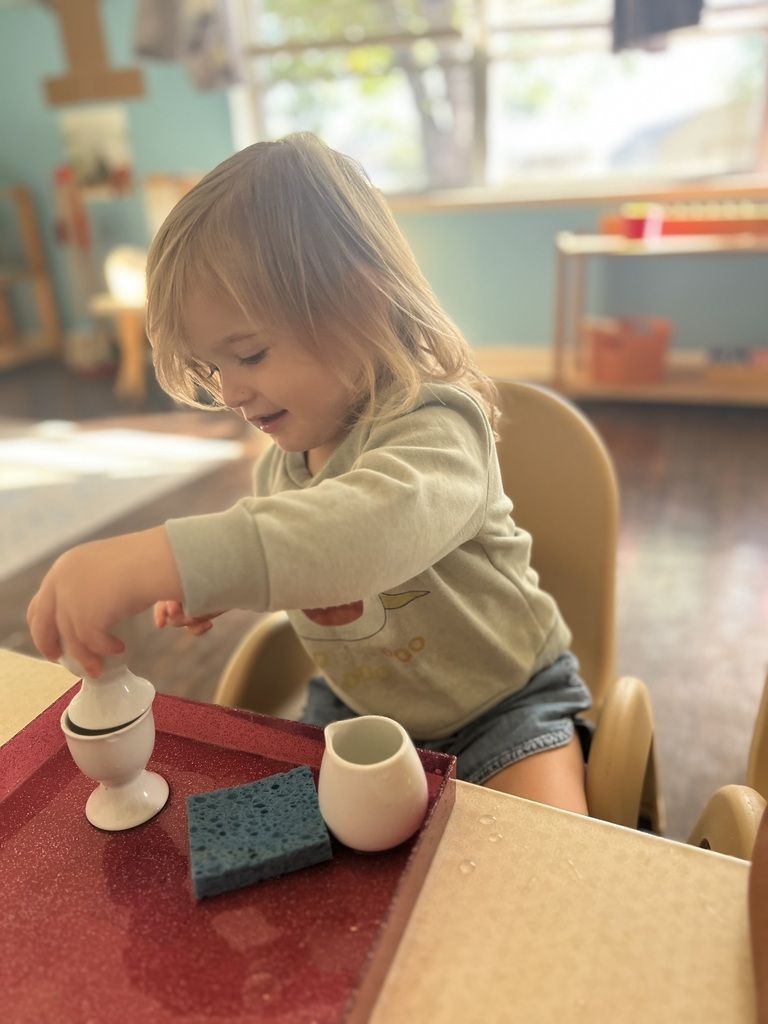
- By Age 3: Toddlers can hold child-sized utensils, pour from small pitchers, and pick up tiny items with ease.
2. Language Milestones: From Babbling to Self-Expression
Movement and language develop side by side. Up until around six to eight months, they progress in parallel; after that, a child may temporarily focus heavily on motor skills while language plateaus briefly, or vice versa, before taking off again.
Language unfolds along two complementary paths: receptive language (what the child understands) and expressive language (what the child communicates).
- Birth to 6 Months: In these initial months, infants listen closely to familiar voices, responding attentively to facial expressions and conversational tones. Their earliest communication takes shape through crying, soft cooing, and joyful vowel experimentation.
- 6 to 12 Months: Babies begin recognizing familiar words, tone variations, and simple gestures. Expression evolves into structured babbling—combining consonants and vowels like "ba-ba" or "ma-ma"—alongside intentional pointing, waving, and early word attempts.
- 12 to 18 Months: Receptive understanding expands as toddlers learn to follow simple 1-step requests and identify named objects in their environment. Expressively, they begin using single words (mostly nouns) to convey full thoughts as their vocabulary steadily builds.
- 18 to 36 Months: Toddlers gain the ability to follow 2- to 3-step directions and grasp spatial terms like in, on, and under. This period marks a profound language explosion, where simple two-word phrases quickly blossom into full sentences, correct pronouns, and expressive storytelling.
Expressive Language Growth
Early vocalizations naturally evolve from cooing to babbling consonant-vowel pairs. Around eight to ten months, infants begin intentionally pairing gestures—such as reaching or pointing—with vocal sounds to share interest or request help.
Following the first year, children experience a remarkable language explosion. Once a toddler acquires roughly 50 isolated words, vocabulary growth takes flight—often expanding by hundreds of words, including prepositions, verbs, adjectives, and proper grammar structures. By age three, they speak in complete sentences to share their experiences and express complex feelings.
3. Social & Emotional Milestones: Building Connection & Self-Awareness
Emotional and social growth are deeply intertwined with a child's secure attachments and daily interactions with caring adults and peers.
Emotional Development
During the first year, babies observe emotions in others and look to caregivers for social cues and safety. By ages two and three, as their brain matures and language expands, toddlers gain greater emotional awareness and begin building basic tools for self-regulation.
Supporting Emotional Health: Maintain a calm, predictable environment with clear routines. Validate your child's feelings ("You feel frustrated that the block fell") while offering calm co-regulation during big emotions.
Social Development
Social development begins with the primary bond between infant and caregiver. In the first year, babies learn the rhythm of back-and-forth social engagement.
- 12 to 24 Months: Toddlers display early signs of empathy and engage primarily in parallel play—playing side-by-side with peers rather than directly together.
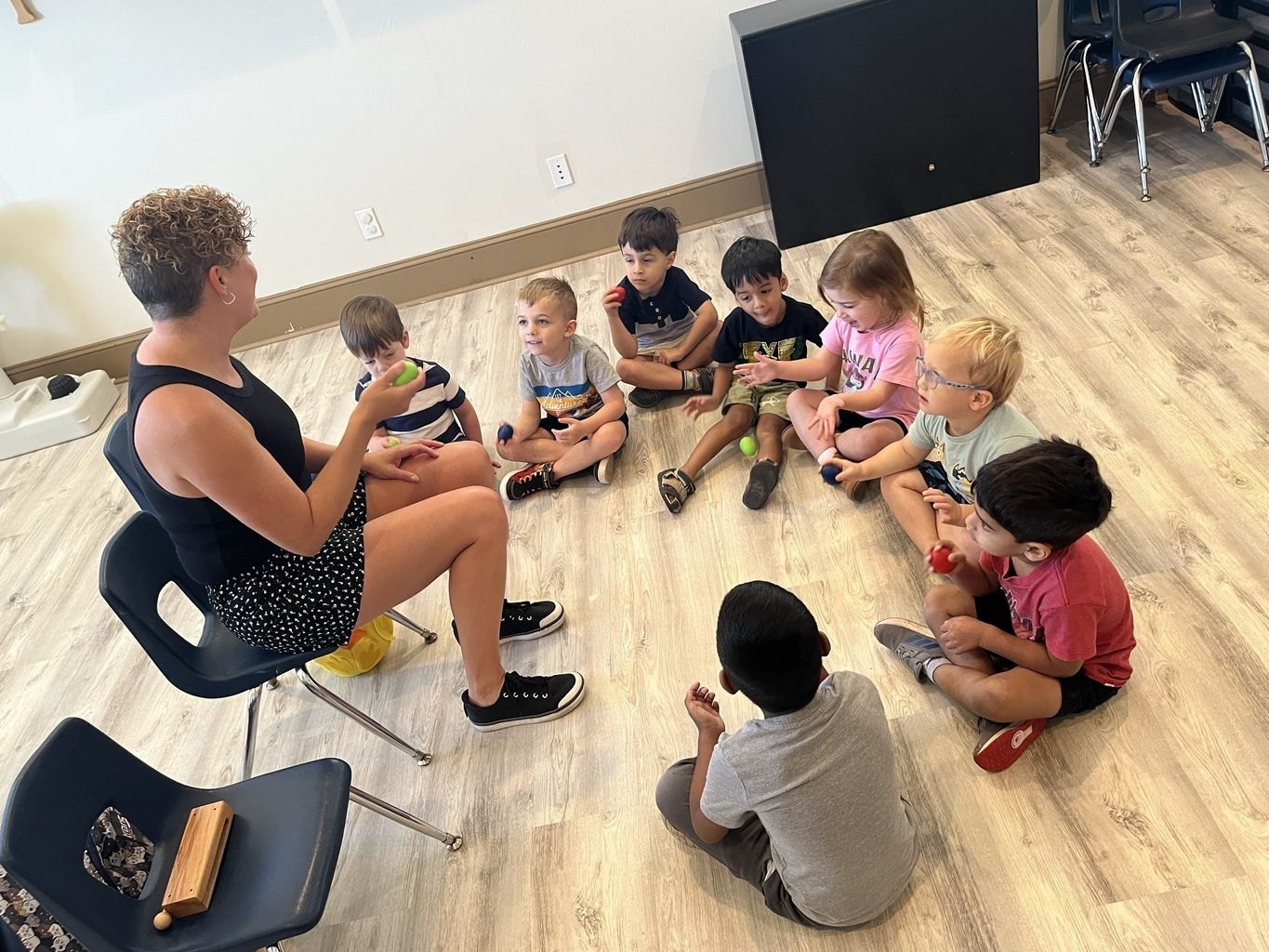
- 24 to 36 Months: Parallel play naturally evolves into early cooperative play. Children begin practicing sharing, taking turns, communicating needs, and navigating peer relationships.
Supporting Your Child's Natural Path
Development is not a race or a rigid checklist; it is a continuous journey unique to every individual child. Our role as adults—parents and educators alike—is to prepare an environment that allows children the freedom to practice these emerging skills without unnecessary interference or pressure.
By observing your child closely and offering child-sized tools, freedom of movement, and rich language interactions, you remove obstacles and honor their natural development.
Interested in observing a prepared environment designed specifically for infants and toddlers?
We welcome you to schedule a tour at Montessori Oaks to see how our classrooms nurture movement, language, and independence every day.