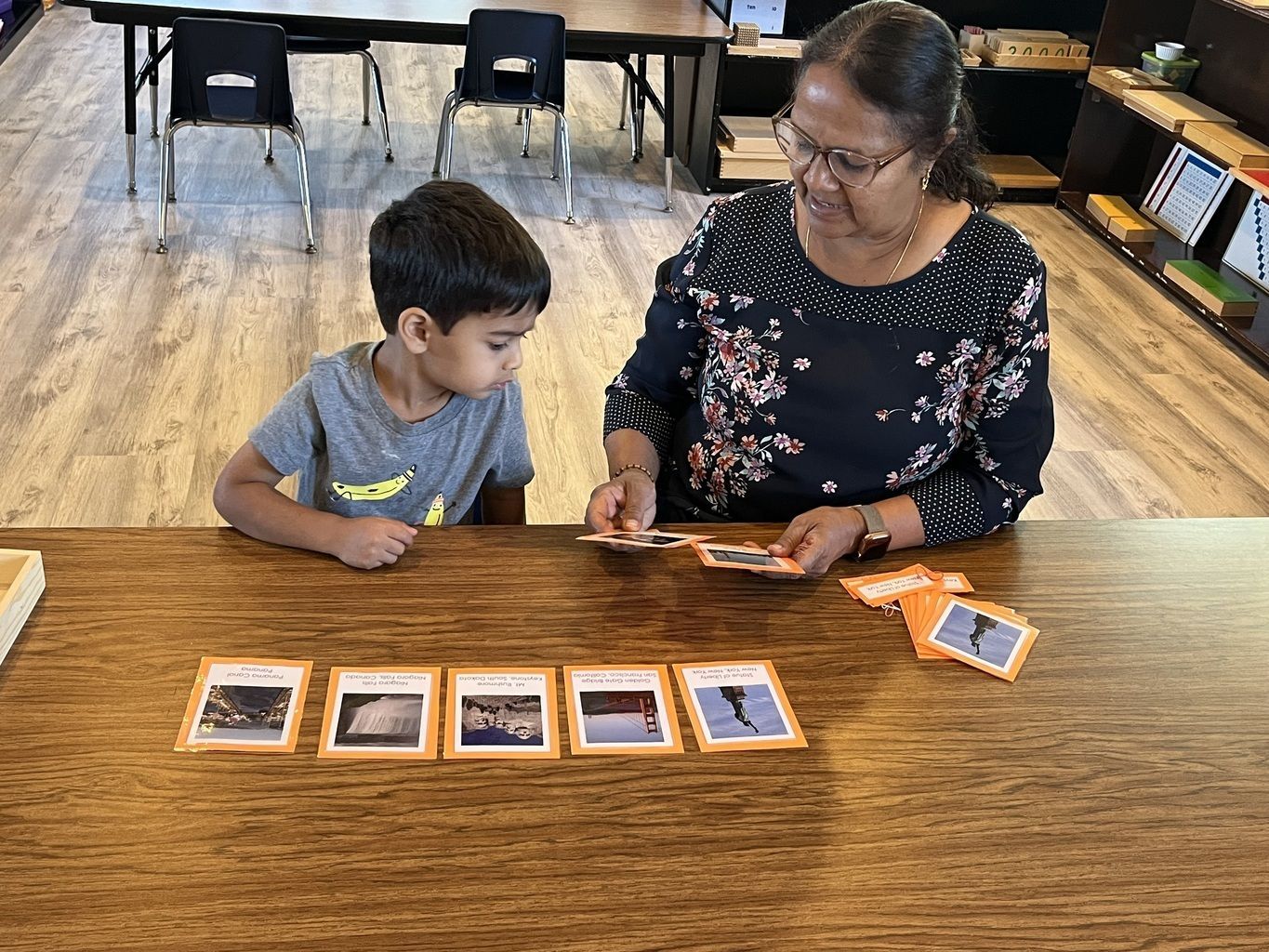
Nurturing Young Minds: The Montessori Philosophy and Nature's Embrace
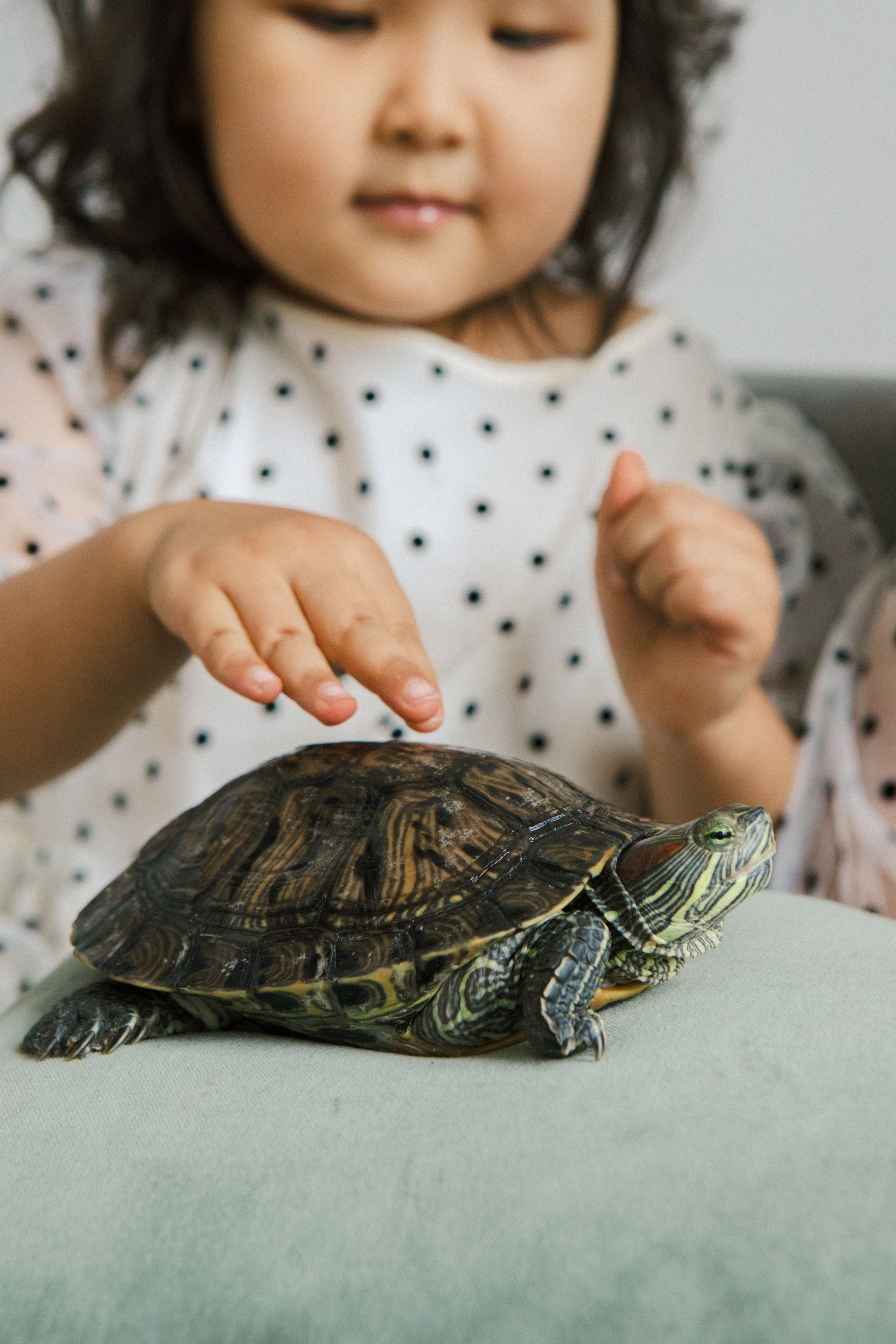
Nurturing Young Minds: The Montessori Philosophy and Nature's Embrace
In the enchanting world of Montessori education, the harmony between philosophy and nature is a cornerstone, cultivating academic prowess and a profound connection to the world around us. At the heart of this synergy lies the belief that fostering an intimate relationship with nature is fundamental to a child's holistic development.
The Montessori-Nature Nexus: Maria Montessori, the visionary educator, recognized the link between a child's learning journey and the environment. Nature and its ever-changing wonders become an inspiring teacher in the Montessori classroom. The philosophy seamlessly integrates the principles of respect for nature, freedom of exploration, and self-directed learning.
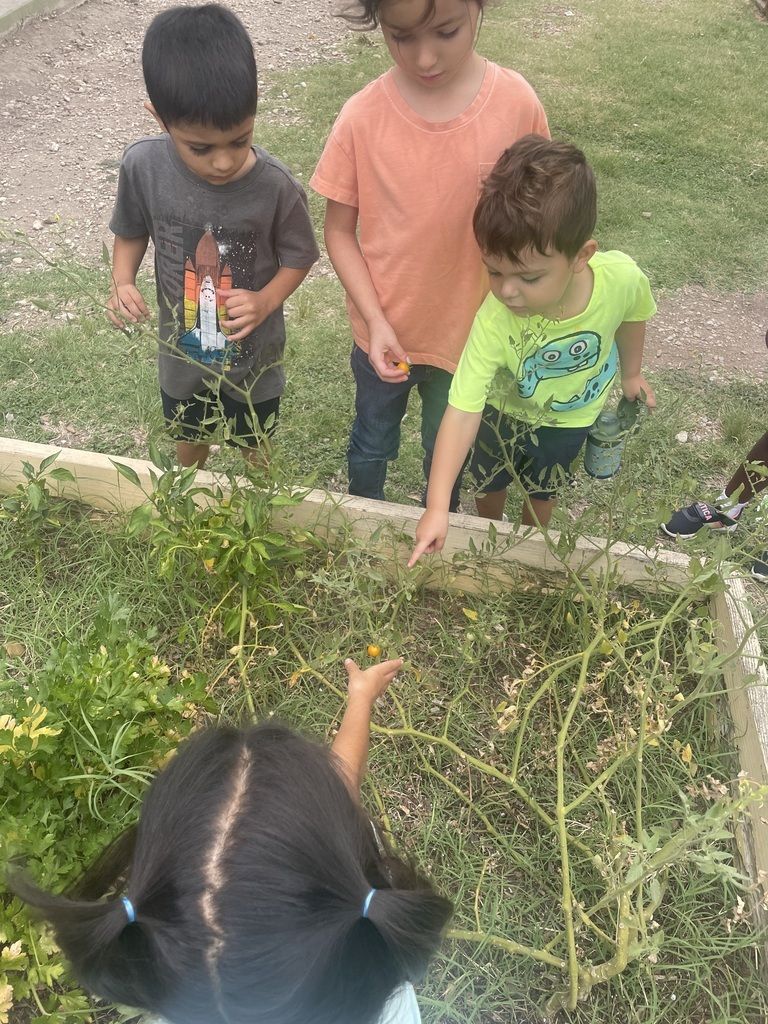
Gardens and Animals as Co-Educators: Montessori schools, often adorned with gardens and inhabited by pets, provide an invaluable extension to learning. Gardens become outdoor classrooms where children witness the magic of growth, comprehend the life cycles of plants, and cultivate responsibility by tending to these living entities.
The Impact of Nature Interaction: The benefits of this immersive experience with nature are profound and far-reaching:
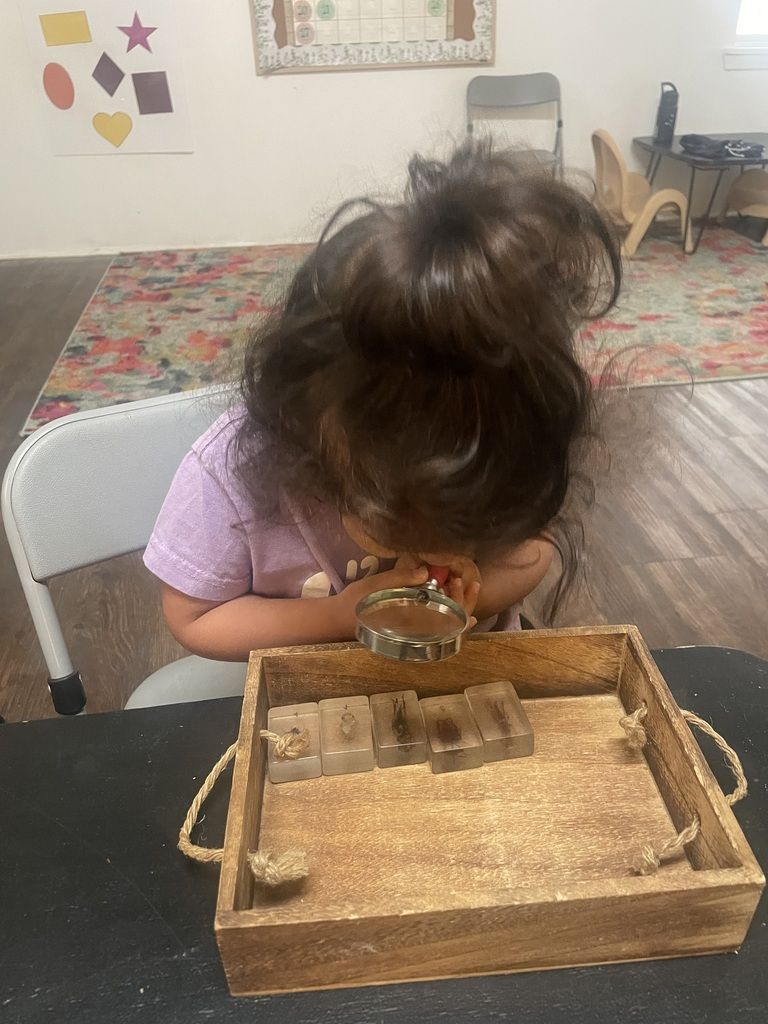
- Curiosity and Wonder: Interacting with gardens and animals nurtures a natural curiosity in children. They begin to question, observe, and marvel at the intricacies of the natural world, fostering a lifelong love for learning.
- Responsibility and Empathy: Caring for living things instills a sense of responsibility and empathy. Children learn that their actions directly impact the well-being of plants and animals, fostering a connection to the broader concept of stewardship.
- Physical and Emotional Well-being: Outdoor activities contribute to physical health and emotional well-being. Fresh air, sunlight, and the freedom to explore open spaces enhance children's vitality and contribute to a positive mindset.
- Learning Beyond Books: Nature provides tangible, sensory-rich experiences beyond what textbooks can offer. It's a living, breathing classroom where lessons unfold organically.
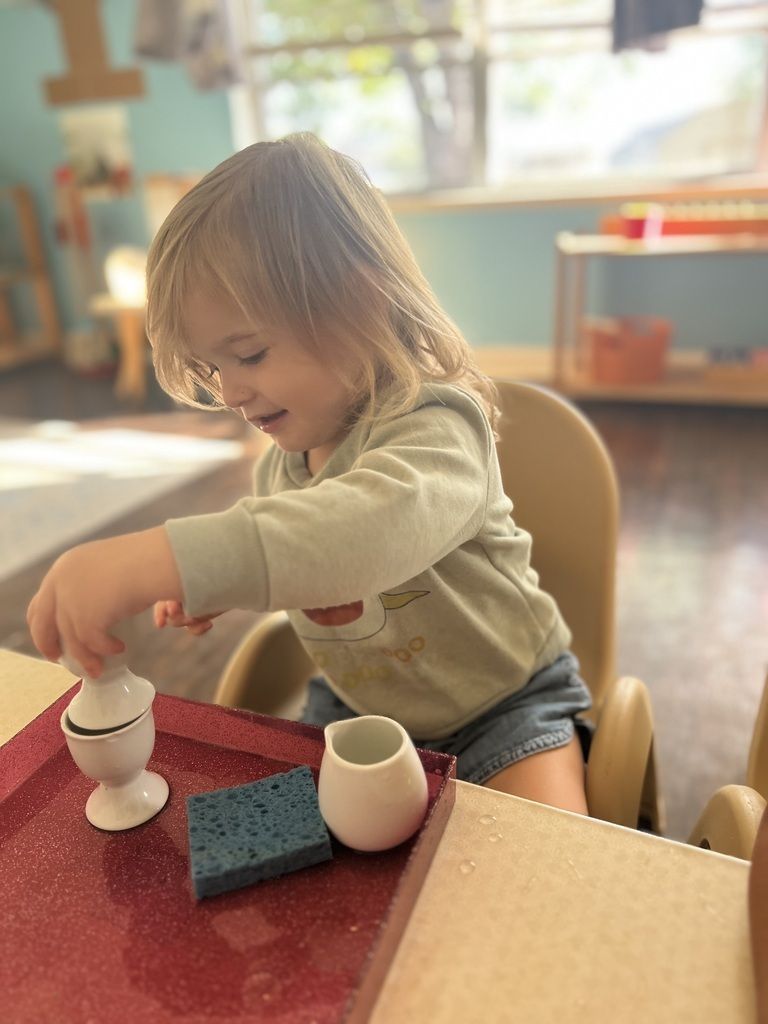
- Life Skills Development: Planting, watering, and caring for animals are practical life activities that develop essential life skills. Children learn perseverance, patience, and the satisfaction of nurturing something from inception to fruition.
Long-Term Flourishing: The connection between Montessori philosophy and nature lays the foundation for a lifetime of benefits. Children exposed to this symbiotic relationship tend to exhibit:
- A Lifelong Love for Learning: The curiosity sparked in the natural classroom transcends childhood, fostering a love for exploration and a commitment to continuous learning.
- Environmental Stewardship: Growing up with an intimate understanding of nature nurtures a deep sense of environmental responsibility, creating future custodians of our planet.
- Holistic Development: Physical, cognitive, and emotional aspects intertwine harmoniously, contributing to well-rounded individuals who approach challenges with resilience and creativity.
In essence, the Montessori philosophy and its embrace of nature provide a roadmap for cultivating not just scholars but compassionate, inquisitive stewards of the Earth. It's a journey where education becomes a seamless part of life's vibrant tapestry, and every encounter with nature is a lesson etched in the heart.