Tapping into Nature’s Blueprint: Understanding Sensitive Periods in Your Child’s Development

Have you ever noticed how deeply a young child can be affected by a small disruption in their daily routine? A shift in schedule or a moved piece of furniture can sometimes trigger unexpected distress. Conversely, it is remarkable how seamlessly a young child internalizes the order of their day. They simply know when it is time to wash hands, gather for a meal, or rest.
It is equally extraordinary to watch how effortlessly children absorb the complex rhythms of language, transition from crawling to running, or become completely captivated by tiny objects on a path.
During these early years, children are propelled by an inner biological drive. Consider a toddler who wants to climb the same flight of stairs over and over again. Even when adults try to redirect them, their determination remains unbroken. Despite the immense physical effort involved, the activity brings them energy rather than exhaustion.
In Montessori education, we observe these moments of intense focus with deep respect. Dr. Maria Montessori called these fleeting developmental windows sensitive periods.
What Is a Sensitive Period?
To illustrate how a sensitive period works, Dr. Montessori shared the example of newly hatched caterpillars. Driven by a brief, powerful biological instinct, these young caterpillars are irresistibly drawn toward the brightest light at the tips of branches, where the softest leaves grow. The caterpillar does not "know" the leaves are there; it simply responds to an internal urge. Once it feeds and matures, this sensitivity to light fades, and the caterpillar moves naturally into its next phase of life.
In much the same way, a child in a sensitive period is drawn toward specific activities in their environment that feed their developmental needs. Neurologically, this is a time when specific neural networks are forming rapidly. These windows of opportunity are temporary, marked by an intense, joyful focus on mastering a specific skill or understanding.
Dr. Montessori identified four primary sensitive periods that guide early childhood development:
- Order
- Language
- Refinement of the Senses
- Movement
1. The Sensitive Period for Order
The sensitive period for order is most pronounced from birth through age three, continuing through age six. During this time, a child has a profound need for consistency in both their physical surroundings and their daily routines.
While adults value organization because it saves time and reduces stress, a young child relies on external order to build their internal framework for understanding the world. If their environment is constantly changing, their energy must go toward continually adapting rather than developing.
When children experience a predictable, thoughtfully prepared environment, they feel safe, develop trust in their surroundings, and build an internal sense of calm and clarity.
2. The Sensitive Period for Language
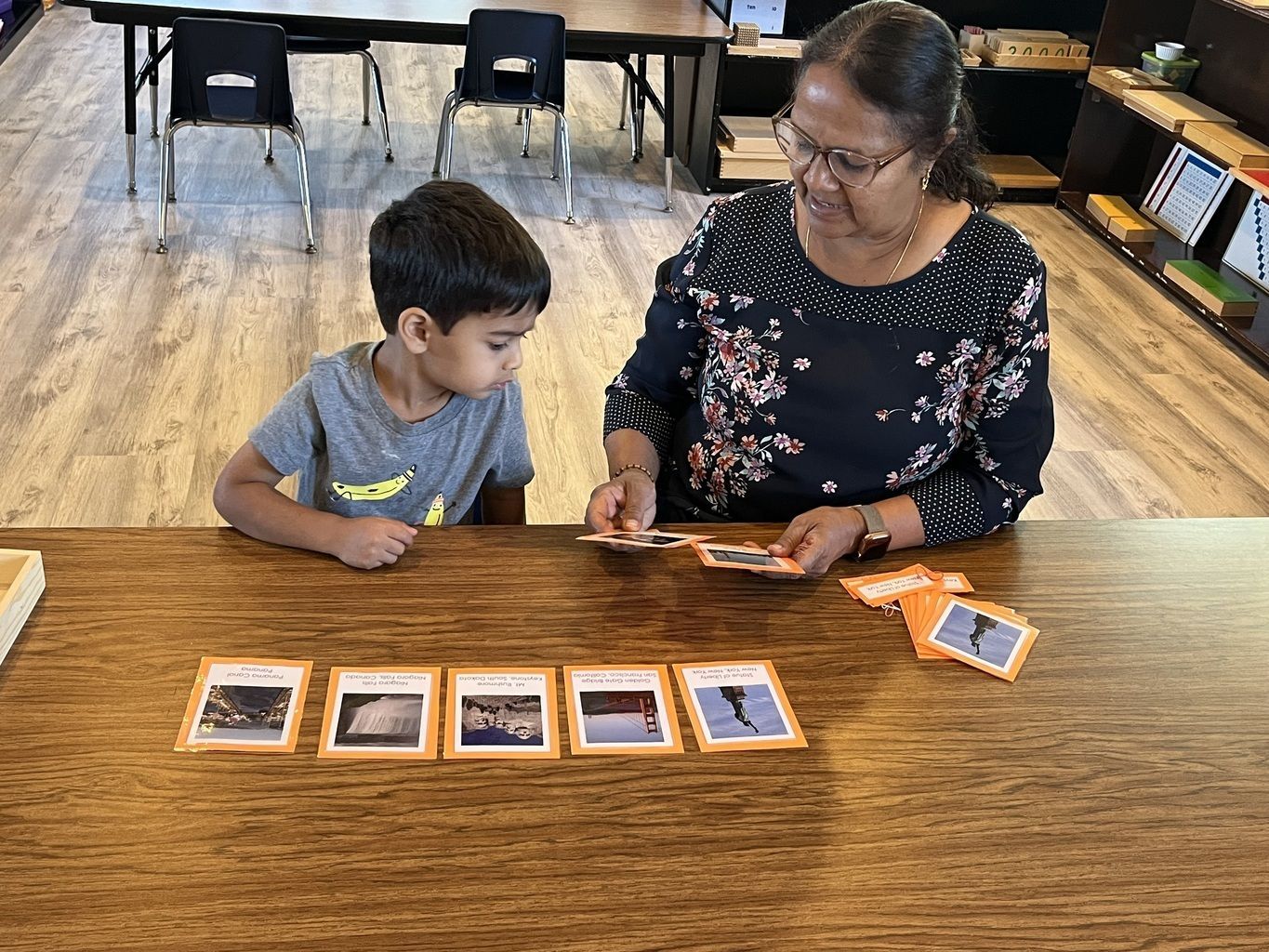
From birth, children absorb the language around them without conscious effort. The first three years are dedicated to absorbing spoken language, while ages three through six focus on expanding and refining vocabulary, writing, and reading.
During this window, children absorb every detail of speech: tone, rhythm, vocabulary, and grammatical structure. Because their minds are like sponges, they thrive when surrounded by rich, precise language. At Montessori Oaks, our guides speak to children with rich vocabulary, naming real objects, and engaging even our youngest learners in meaningful, respectful conversations.
3. The Sensitive Period for Refinement of the Senses
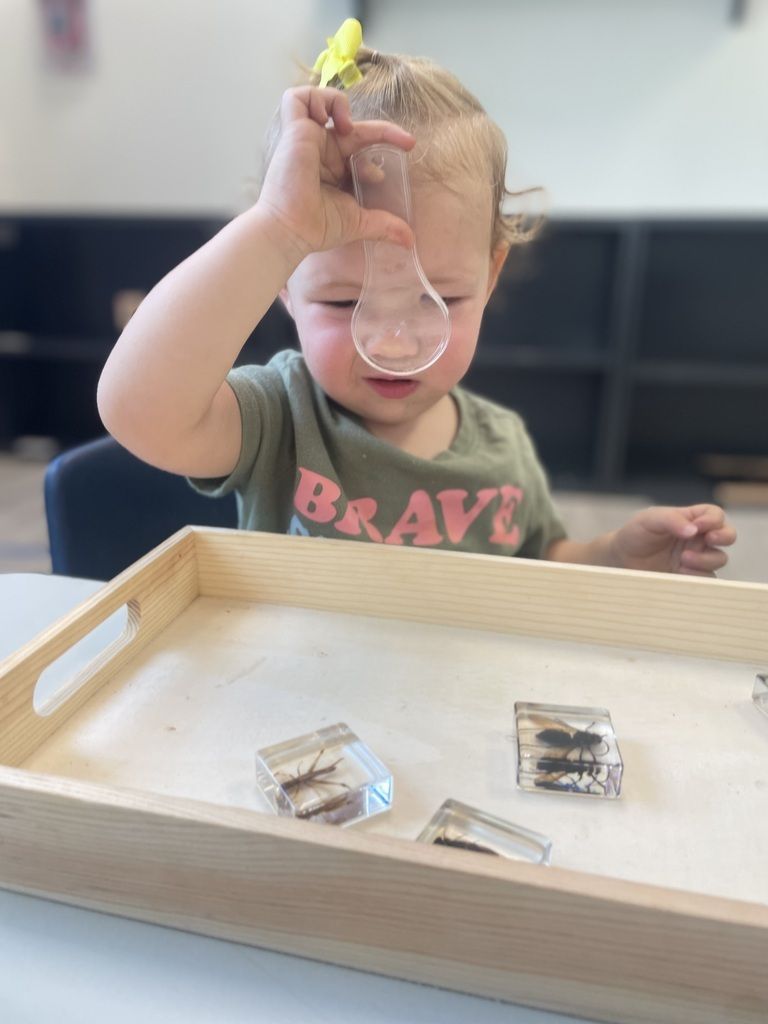
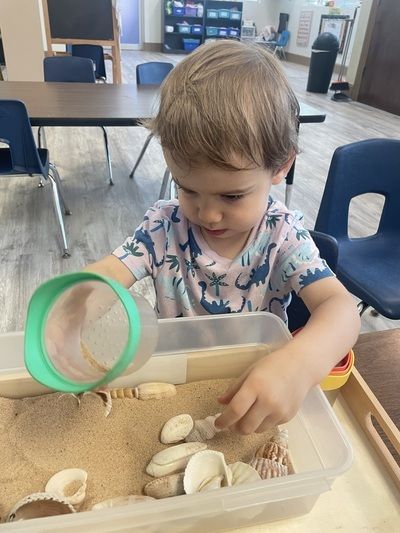
Children explore and understand their world primarily through their senses. Beginning at birth and gradually tapering around age four and a half, children are uniquely driven to classify and organize sensory input.
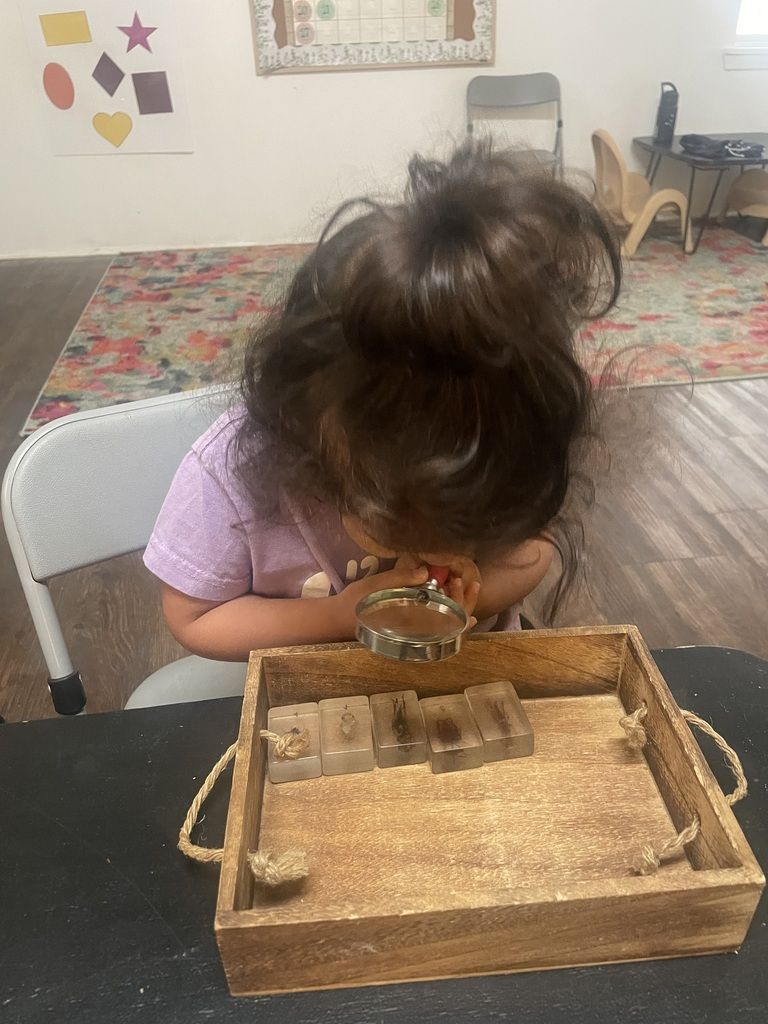
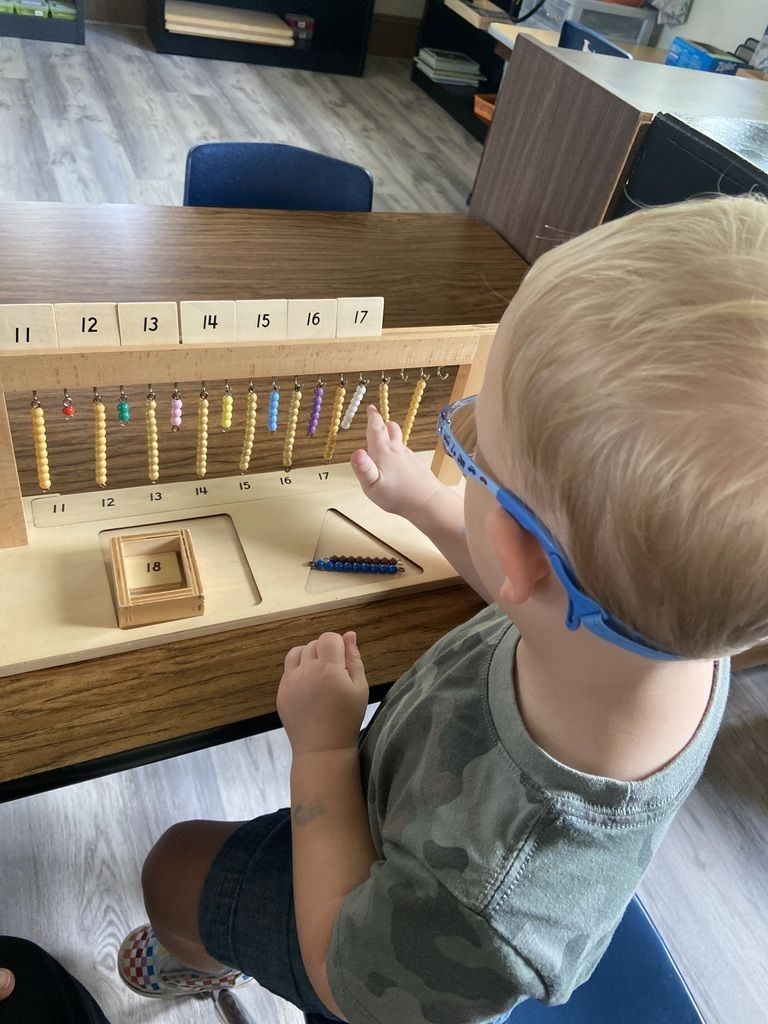
This sensitive period does not alter physical sight or hearing; rather, it trains the brain to recognize finer and finer distinctions. A child with access to a sensorially rich environment learns to categorize impressions—discriminating between subtle variations in color, texture, sound, shape, and dimension. This sensory refinement forms the groundwork for mathematical thinking, scientific observation, and artistic appreciation later in life.
4. The Sensitive Period for Movement
Movement is how children interact with their environment, express their personality, and cultivate independence. After mastering basic gross motor skills in infancy, children between two and a half and four years old focus on refining their coordination and control.
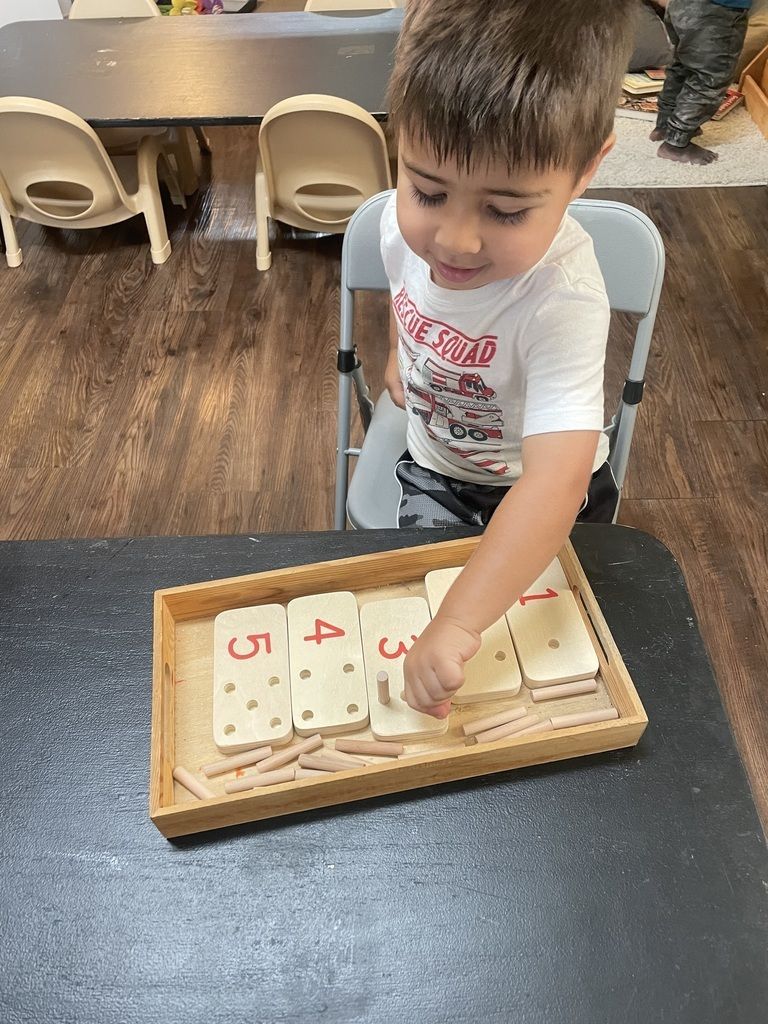
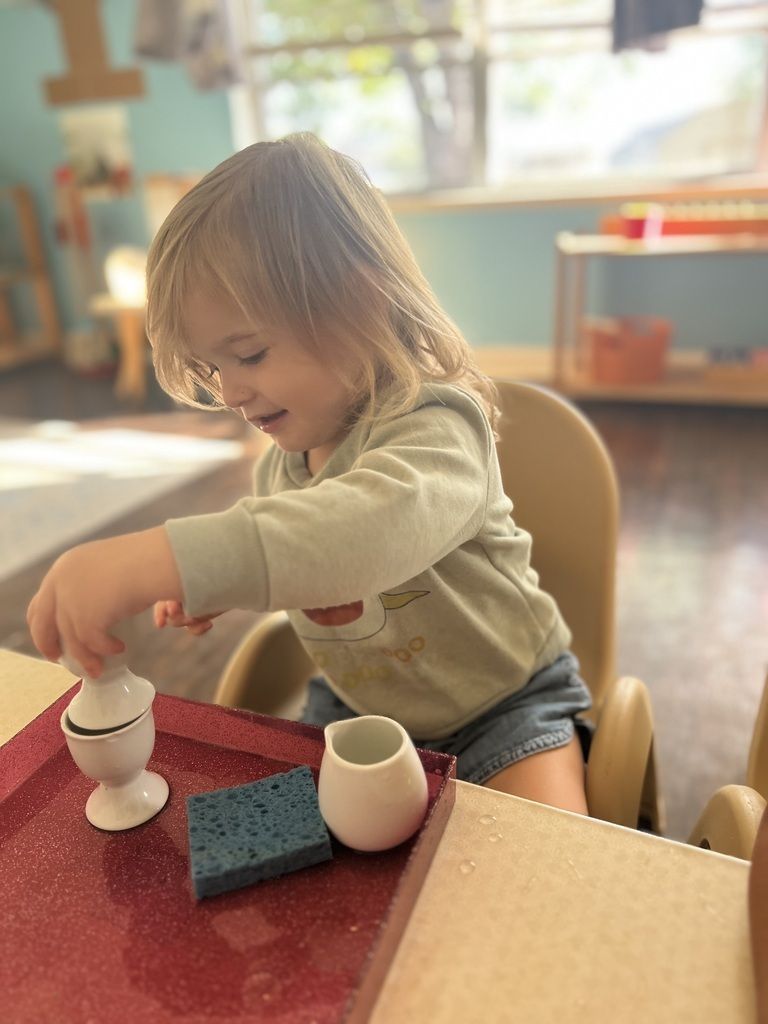
Children in this stage crave purposeful movement. While a child given a plastic play kitchen may engage with it briefly, they quickly lose interest because it lacks real purpose. In a Montessori environment, children engage in practical life activities—slicing banana slices, pouring water, buttoning coats, and washing tables. Purposeful work allows children to refine their movements, gain physical independence, and contribute meaningfully to their community.
Honoring the Potential of Each Stage
The phrase "sensitive period" serves as a gentle reminder to parents and educators alike: we must tread mindfully, honoring the immense developmental potential within each child.
When a child is in a sensitive period, learning happens naturally and joyfully. Once these temporary windows pass, skills can still be acquired, but doing so requires conscious effort and repetition—much like an adult learning a second language compared to a toddler absorbing it effortlessly.
When a child’s developmental needs are met during these natural windows, they experience deep inner peace, confidence, and satisfaction.
See Prepared Environments in Action
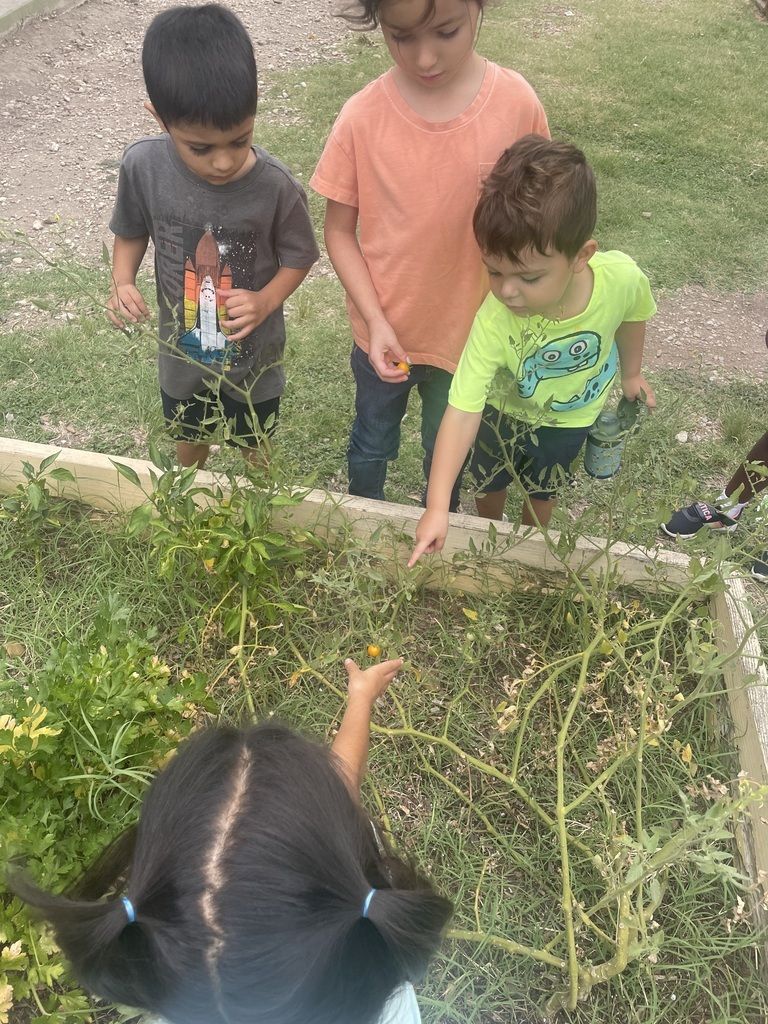
At Montessori Oaks, our classrooms are carefully prepared to honor and support each child’s sensitive periods, allowing them to follow their natural drive toward independence and discovery.
We invite you to reach out to our team to learn more about our programs or schedule a visit to observe our peaceful, joyful classrooms in action.