By Montessori Oaks
•
July 15, 2026
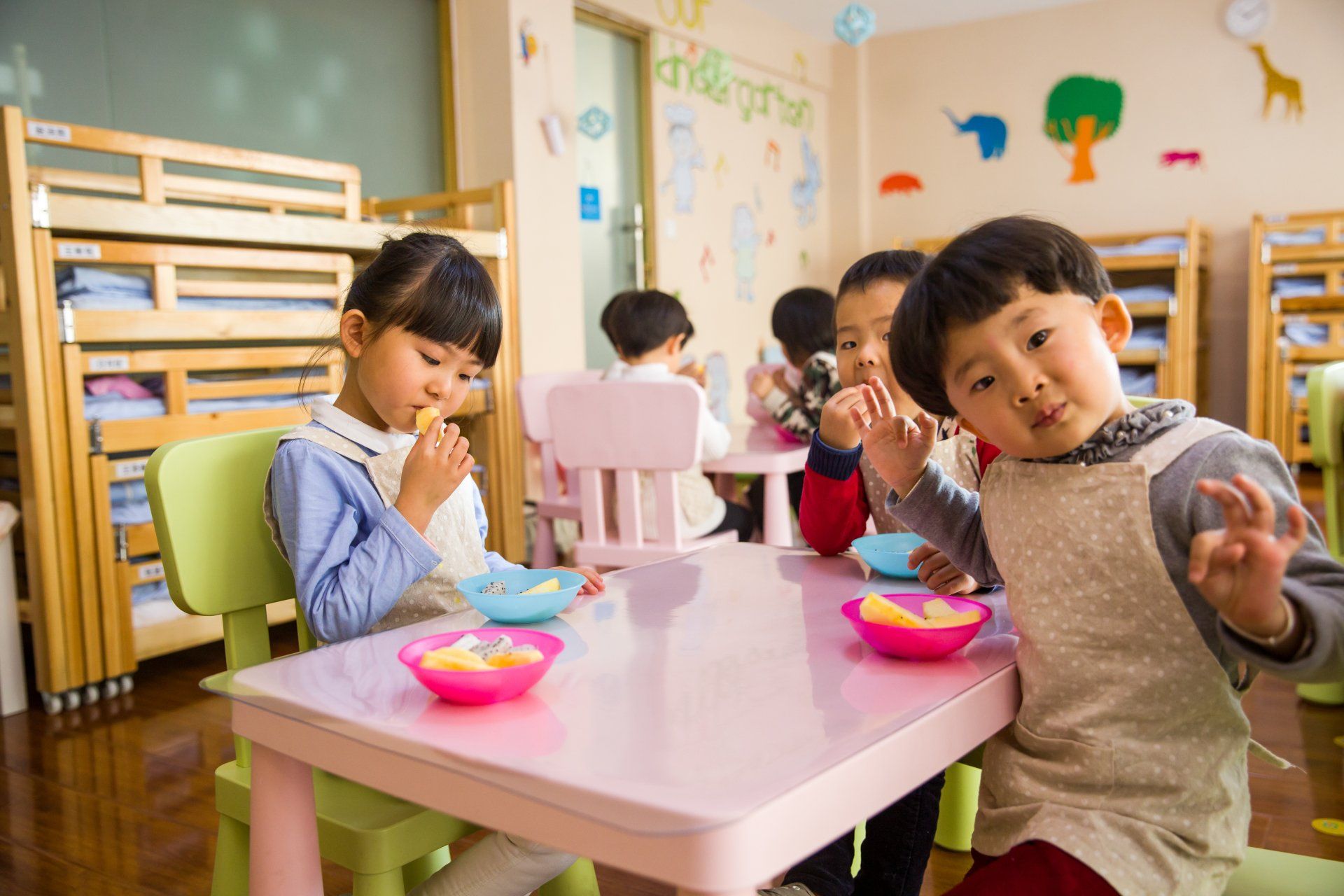
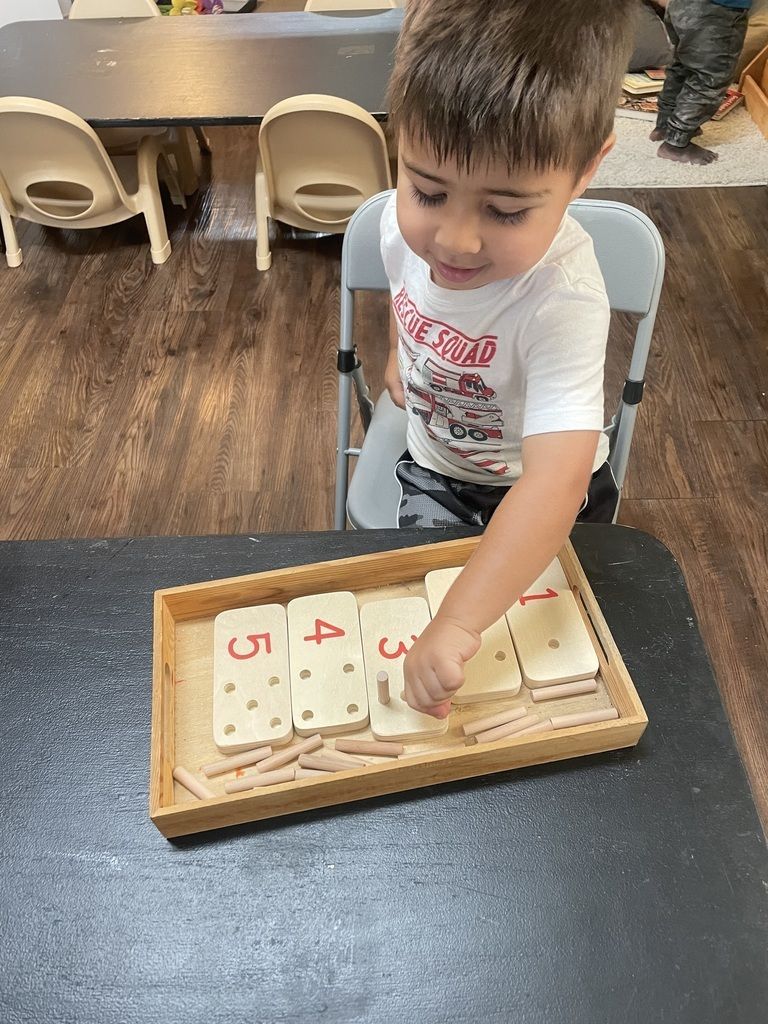
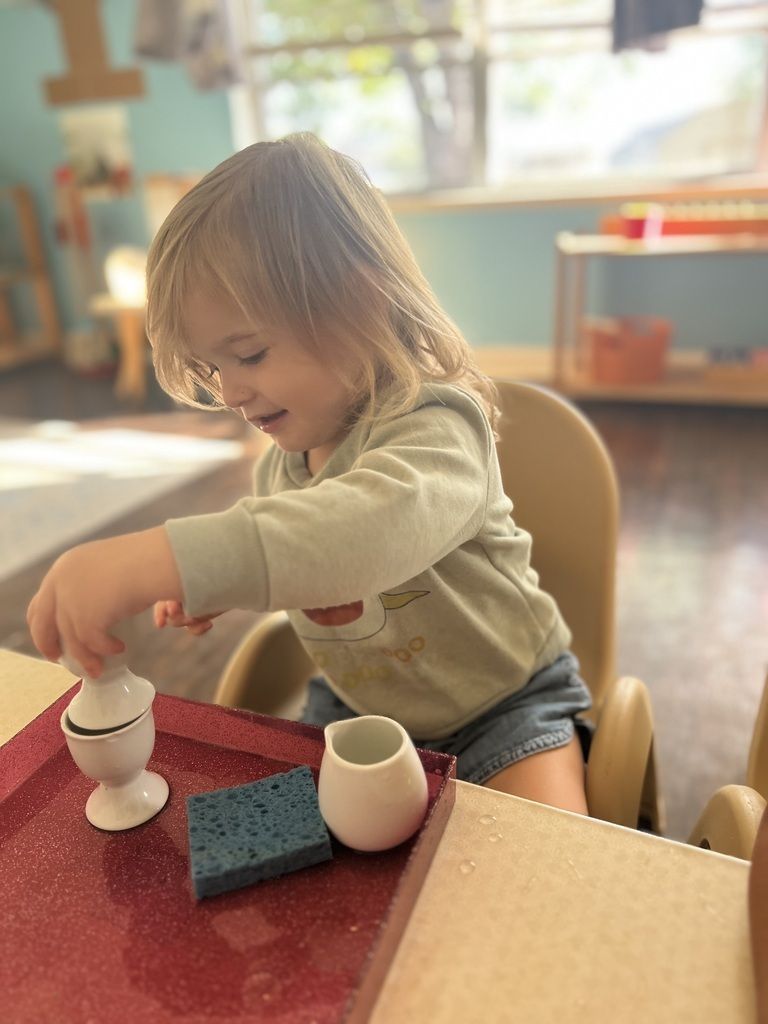
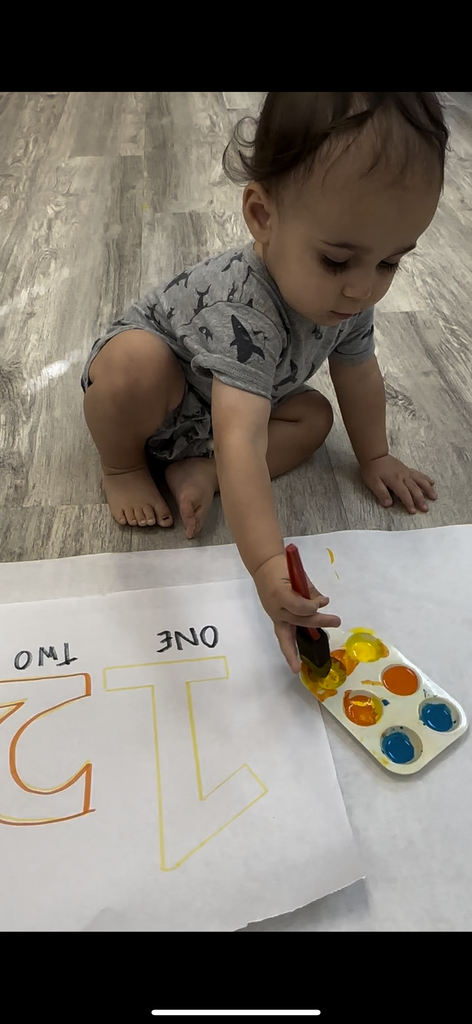
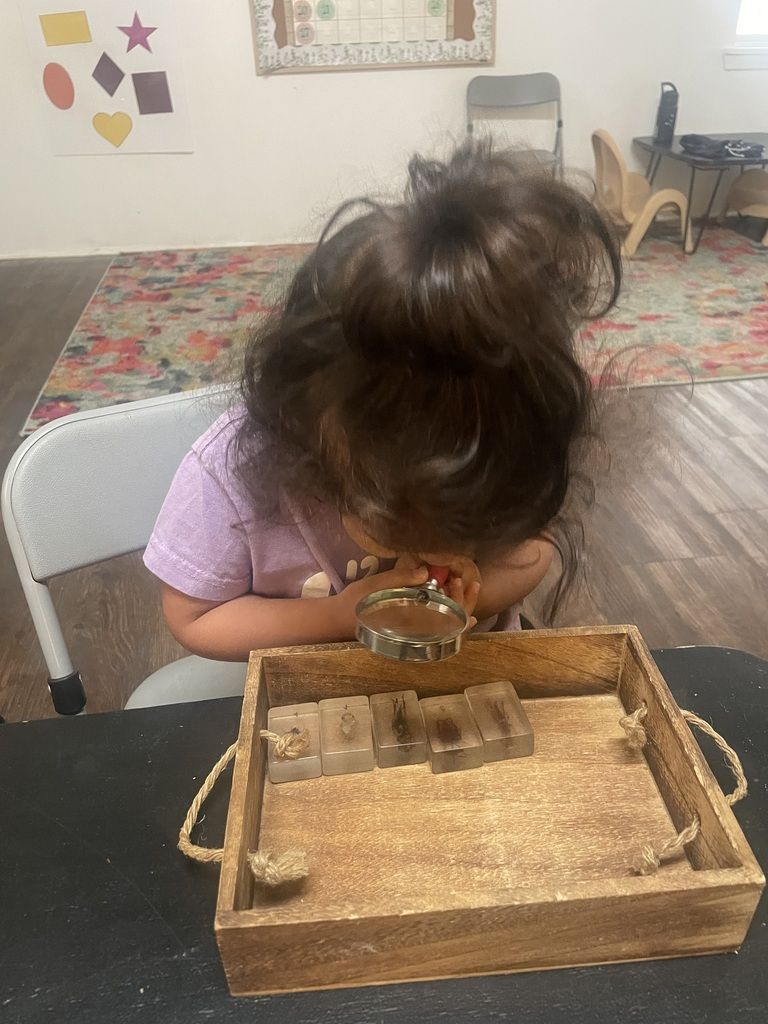
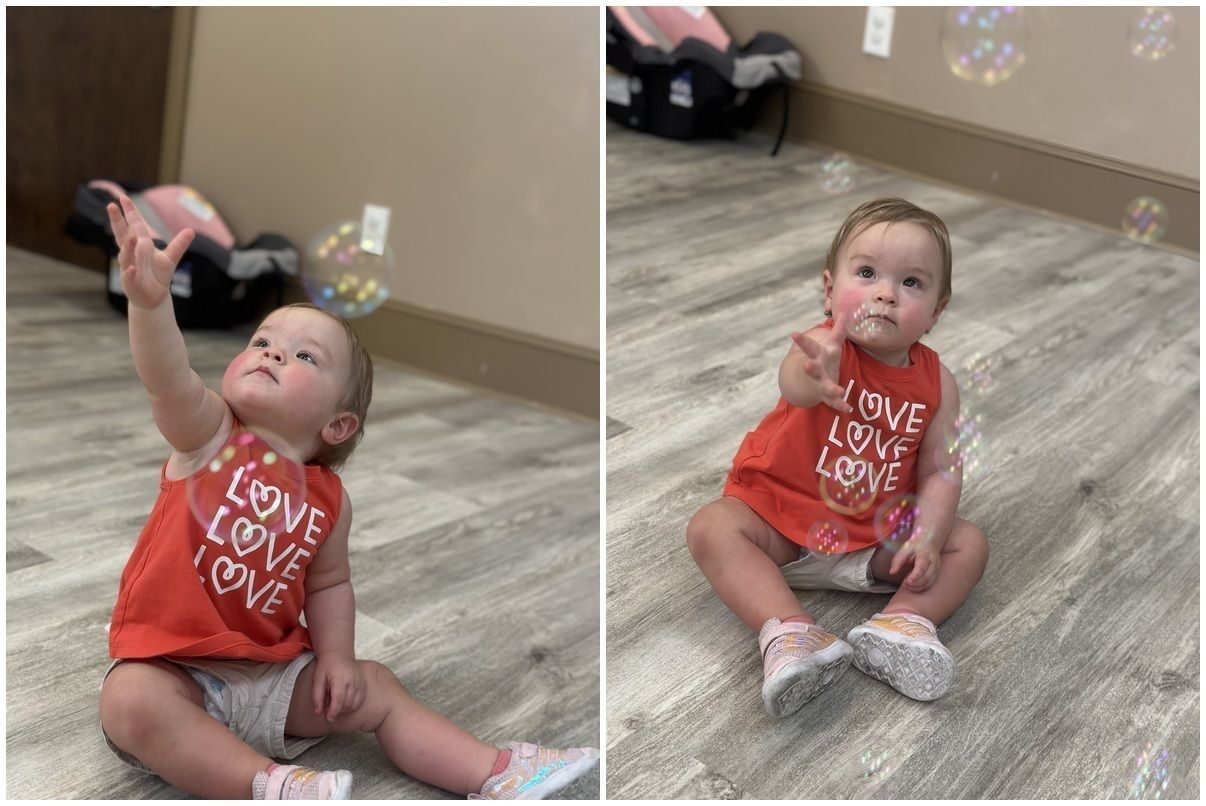
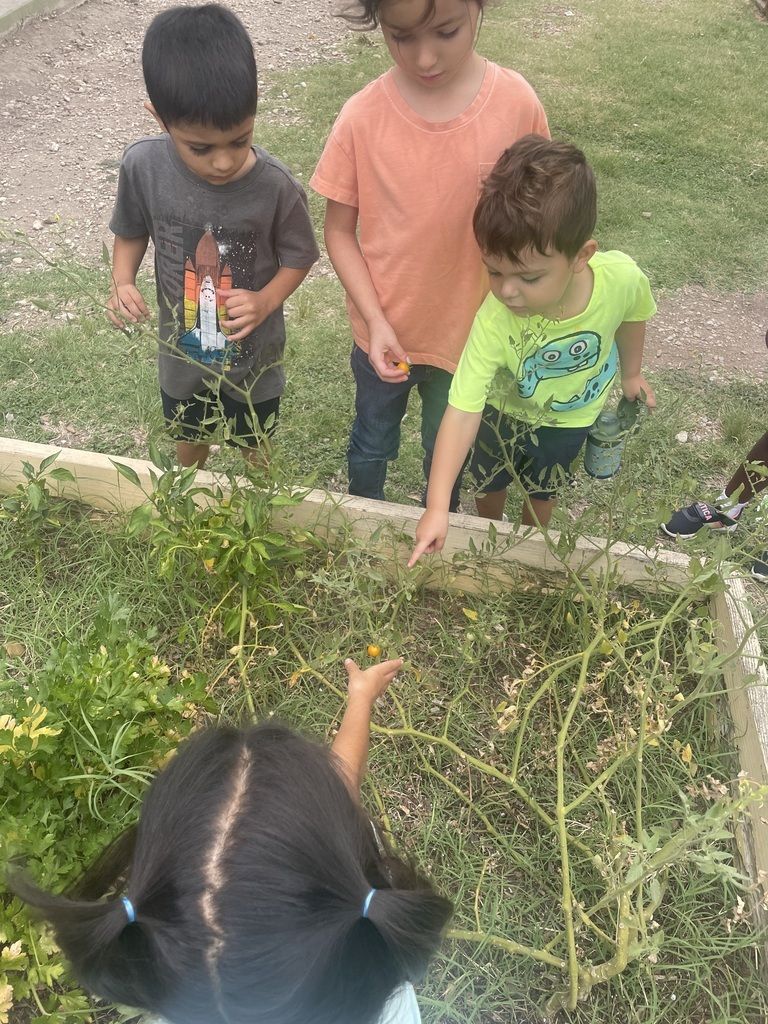
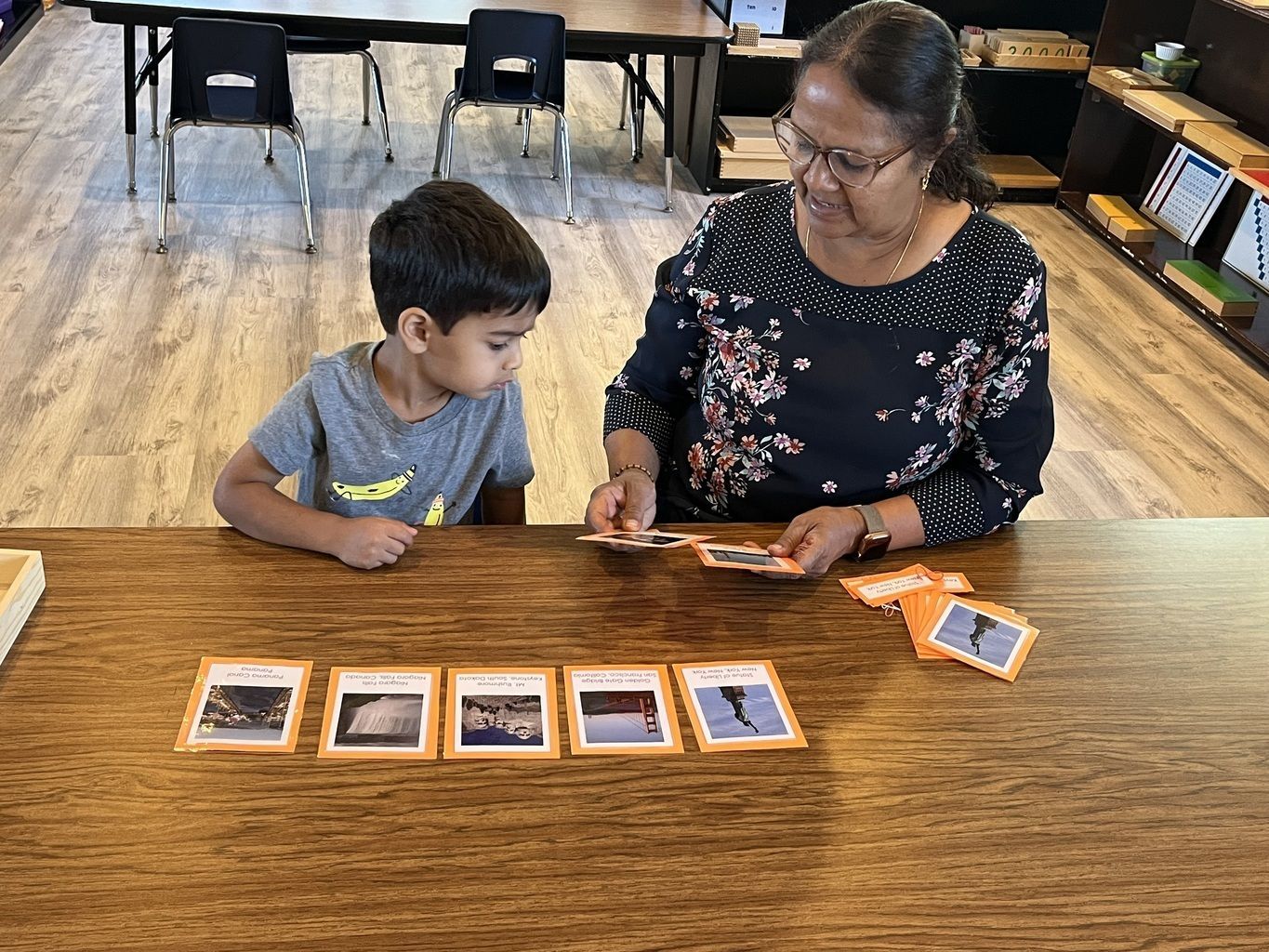
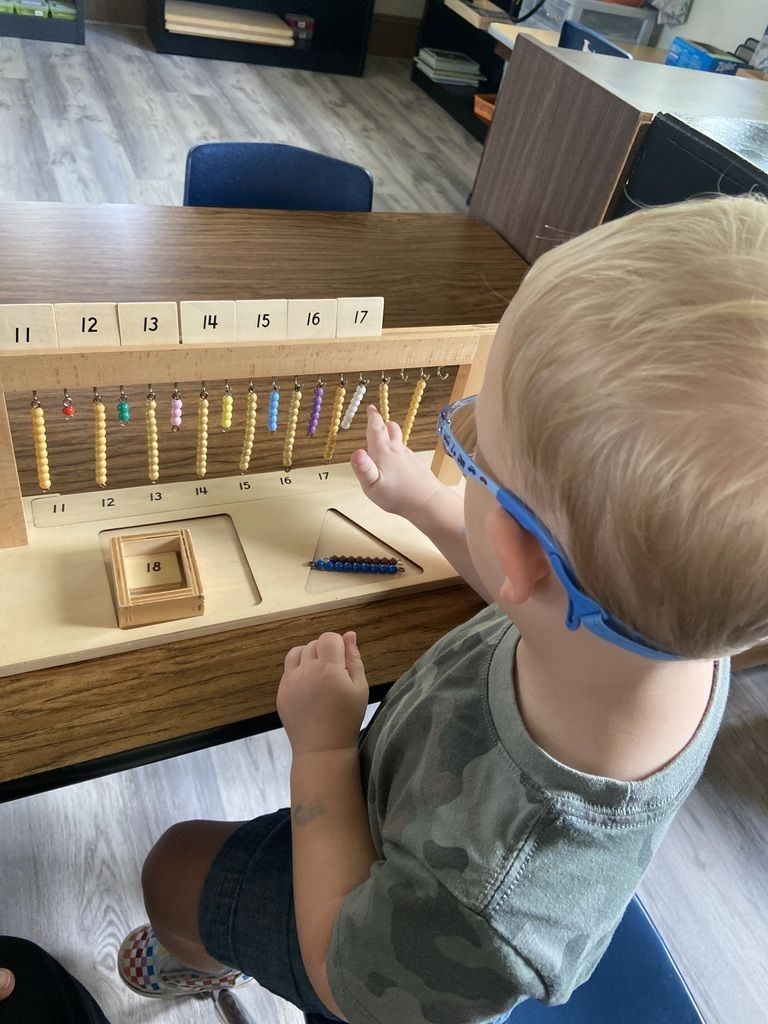
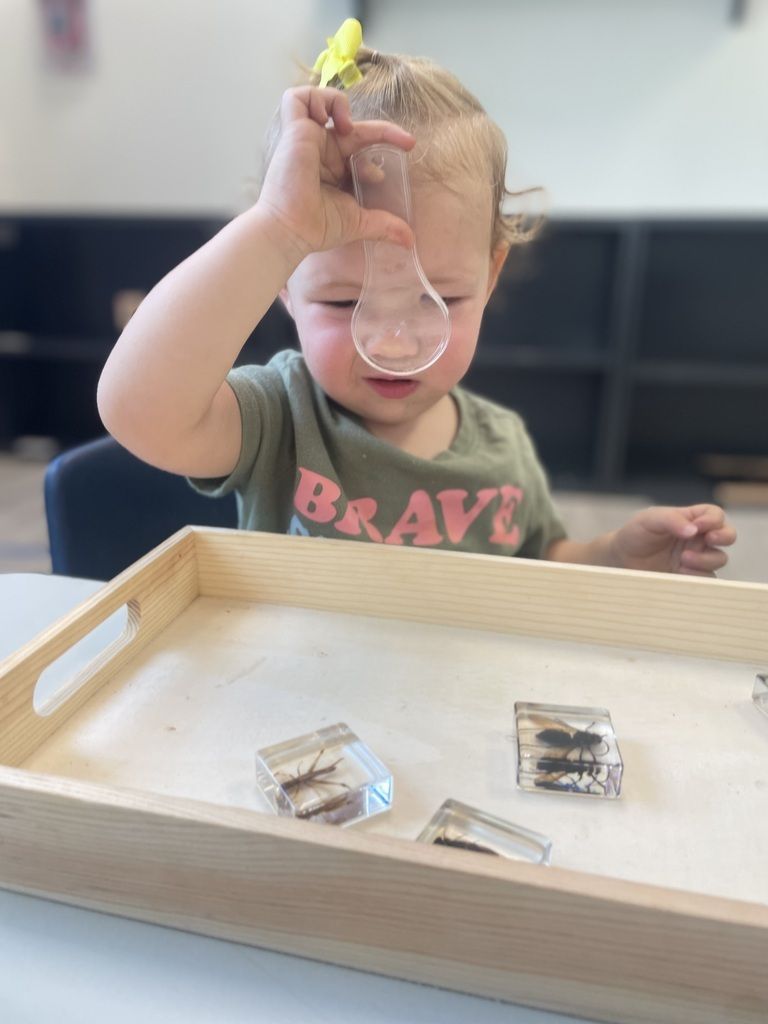
5 Signs Your Toddler Is Ready for Montessori As parents, we all want to give our children the strongest possible foundation. The toddler years are an incredible period of growth—a time when children begin to discover their independence, express curiosity, and develop the skills that shape how they learn. Many parents wonder, "Is my toddler ready for Montessori?" The answer may surprise you. Montessori education was designed specifically to support young children during these important developmental years. Here are five signs your toddler may be ready to begin their Montessori journey. --- 1. Your Toddler Wants to Do Things Independently Have you heard phrases like: "I do it!" "Let me try!" "I can do it myself!" While these moments can sometimes require extra patience from parents, they are actually signs of incredible growth. Dr. Maria Montessori recognized that children have a natural desire to become independent. Montessori classrooms are designed to encourage this independence in healthy ways. Through practical life activities like pouring water, preparing snacks, cleaning, dressing, and caring for their environment, toddlers learn: ✓ Confidence ✓ Responsibility ✓ Problem-solving skills ✓ Self-control Every small accomplishment teaches children an important message: I am capable. --- 2. Your Toddler Is Curious About Everything Toddlers are natural scientists. They want to touch, explore, test, and understand the world around them. Questions, discoveries, and exploration are signs that your child's mind is actively growing. Montessori takes this natural curiosity and nurtures it through hands-on learning experiences. Instead of simply telling children how something works, Montessori allows them to discover through activities involving: Nature exploration Early math materials Art and creativity Science and sensory experiences When children enjoy the process of discovery, they develop something more valuable than memorized information—a lifelong love of learning. --- 3. Your Toddler Enjoys Hands-On Activities Young children learn best by doing. Before children can understand abstract concepts like numbers and letters, they need opportunities to see, touch, and experience learning. Montessori materials are designed to teach through movement and exploration. For example: - Building with blocks strengthens spatial awareness. - Sorting activities develop early math skills. - Pouring and transferring activities improve coordination. - Sandpaper letters prepare children for reading and writing. To adults, it may look like play. To children, it isd exploring brain development happening right before our eyes. --- 4. Your Toddler Is Learning to Focus Many parents are surprised by how deeply toddlers can concentrate when given the right environment. A Montessori classroom is intentionally designed to be calm, organized, and inviting. Children are given time to choose meaningful activities and work without unnecessary interruptions. Over time, children strengthen their ability to: ✓ Focus longer ✓ Complete tasks ✓ Be patient ✓ Overcome challenges These skills become the foundation for future academic success. --- 5. Your Toddler Is Ready for Social Growth The toddler years are when children begin learning how to interact with others, communicate feelings, and become part of a community. Montessori classrooms help children practice: - Sharing space respectfully - Using kind words - Helping classmates - Developing empathy Children are not just learning academics—they are learning how to become thoughtful, confident, and compassionate individuals. --- Is Montessori the Right Next Step for Your Toddler? If your toddler is showing independence, curiosity, a desire to explore, or excitement about learning, they may be ready to thrive in a Montessori environment. At Montessori Oaks, we believe every child is like a little acorn—filled with unlimited potential. With the right environment, patience, and guidance, they can grow into confident learners prepared for the future. The best way to understand Montessori is to experience it. See our classrooms in action. Schedule a tour at Montessori Oaks today and discover how your child's journey can begin.